

★★★★★
The clinic was very professional from start to finish. Doctor Jung was excellent and gentle with the treatment. I felt well looked after and everyone was outstanding. Happy with my service!
Yes. The block on the nerve endings is temporary, the squeeze returns to the ring muscle, and the lines it draws return with it. What they return to is the state they were in before treatment. One treated area is listed from ₩30,000.
Two consequences follow, and they matter more than any calendar. Nothing about the treatment is cumulative in the tissue: no residue builds up in the muscle, and each treated interval stands on its own. Recovery is also gradual and partial before it is complete, so movement comes back in degrees. Most people notice squinting they can feel before they can see it.
This page is about the far end of that curve. The treatment itself, including how areas are counted and mapped, is set out on the wrinkle botox page, and every application of the molecule offered here is listed under botox in Cheongdam.
The tissue goes back to the condition it was in when it was last examined, carried forward by however much time has passed.
It does not come back stronger. A muscle that has spent a stretch of time contracting less forcefully may take a short while to feel like itself again, and what it recovers to is its own strength.
Lines that only exist while you are smiling are a direct product of the squeeze. When the squeeze returns in full, so do they, drawn along the same paths your anatomy has always used.
A crease visible on a completely still face belongs to the skin, and skin keeps ageing through any treated interval. That part of the picture answers to the calendar and to sun exposure, irrespective of any injection.
The claim that treatment leaves eye lines worse than it found them is the commonest worry raised at this consultation, and the mechanism above gives it nowhere to stand. What people do describe accurately is a corner that looks unfamiliar after a period of looking smoother. That is a comparison problem, and the next section separates it from a tissue problem.
Your reference point moves. For a stretch of time you have been seeing an eye corner that gathers gently, and that image becomes the one your eye expects. When the squeeze comes back, the comparison being made in the mirror is against the treated state and no longer against the face you walked in with. The line then has to travel the whole distance back to where it started, which makes the change feel like a slide in one direction.
There is also a matter of attention. Someone who has had an eye corner treated has spent a long time looking at exactly that spot, under exactly the lighting that shows it, in a way they never did before the first appointment. The fix for both problems is the same: the baseline capture taken before your first treatment is opened on the screen beside your face and you compare the two directly. That is one of the practical reasons the capture is taken at all.
A separate worry travels with this one. Softening one muscle does not transfer work to another in a way that drags the face downward; that concern is taken up on the jowls and sagging question page, which deals with that specific mechanism in detail.
While movement at the corner is reduced, the skin along those paths spends that time being folded less. What that does to the long-run course of an etched groove is discussed with you against your own skin and history. It is not published here as a promise and no figure is attached to it.
The reverse case can be said plainly. Skin quality and laxity carry on changing through any treated interval, so a corner examined after a long gap may genuinely hold more resting line than at the first appointment. That is ageing continuing on schedule, read as its own finding with its own instruments.

Two habits cause trouble around this. Topping up on a schedule copied from somebody else loads product into a corner that had not finished recovering and buys a stiffer smile at full price. Arriving on the day of an event leaves no time for anything to take hold. Both are avoided by treating the mirror as the trigger and the examination as the decision.
Stopping altogether is a legitimate choice and it is treated as one. The corner completes its return and then carries on the way it would have done regardless; there is no withdrawal effect and no penalty for having treated it in the past. Where the reading at that point is skin quality instead of movement, the conversation moves to other categories — the skin booster and lifting pages describe what applies. What a first appointment covers, if this would be your first, is laid out on the botox guide.
A repeat is declined at this clinic more often than a first treatment. If the capture on the day shows a corner whose lines barely change between a full smile and a completely relaxed face, the target has moved into the skin and another injection buys very little; we do not recommend it and you are shown the two frames the decision rests on. A corner sitting in loose, redundant skin is a surgical conversation and is named as one. Treatment is declined in pregnancy and while breastfeeding, over active infection or inflamed skin at the site, and where a neuromuscular disorder is reported.
The risks of a repeat are the risks of the first sitting, and they are named here one by one. Bruising is the commonest complaint in this region, because the skin is thin and the tissue underneath carries a dense network of small vessels. Swelling at the entry points and brief redness are ordinary. A point placed too low or too far toward the nose can weaken part of the muscle that lifts the cheek and flatten a smile on that side. Product reaching the muscle that opens the eye can leave an upper lid heavy. An uneven map softens one corner before the other. Every one of those is temporary and every one is waited out instead of reversed, which is exactly why repeat doses stay conservative and why the corner is examined before each one. Results vary between individuals and are assessed on your own examination.
Tell your director about blood-thinning medication or supplements, and bring the dates and details of previous treatment if you have them. Anyone reporting that the effect faded unusually quickly is asked about the dose, the interval and the product used, because the commonest explanations are ordinary ones.
| Tier | What one repeat area covers | Per area |
|---|---|---|
| Korean | A domestically manufactured botulinum toxin type A, re-mapped across both outer corners from the capture taken that day | ₩30,000 (≈ $20) |
| Imported | An imported premium-tier type A product, the same re-mapping in the same sitting, for patients who prefer it | ₩150,000 (≈ $105) |
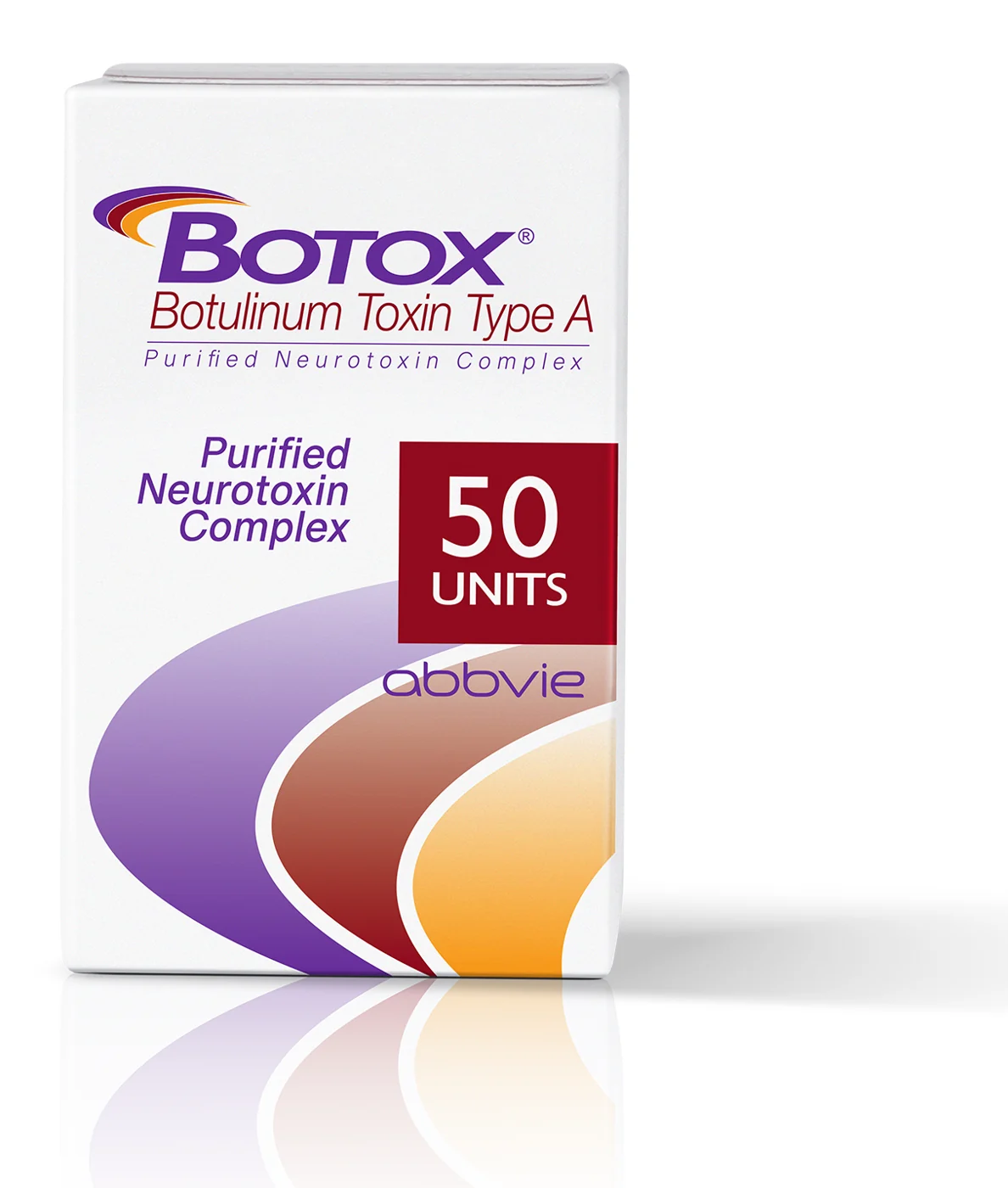
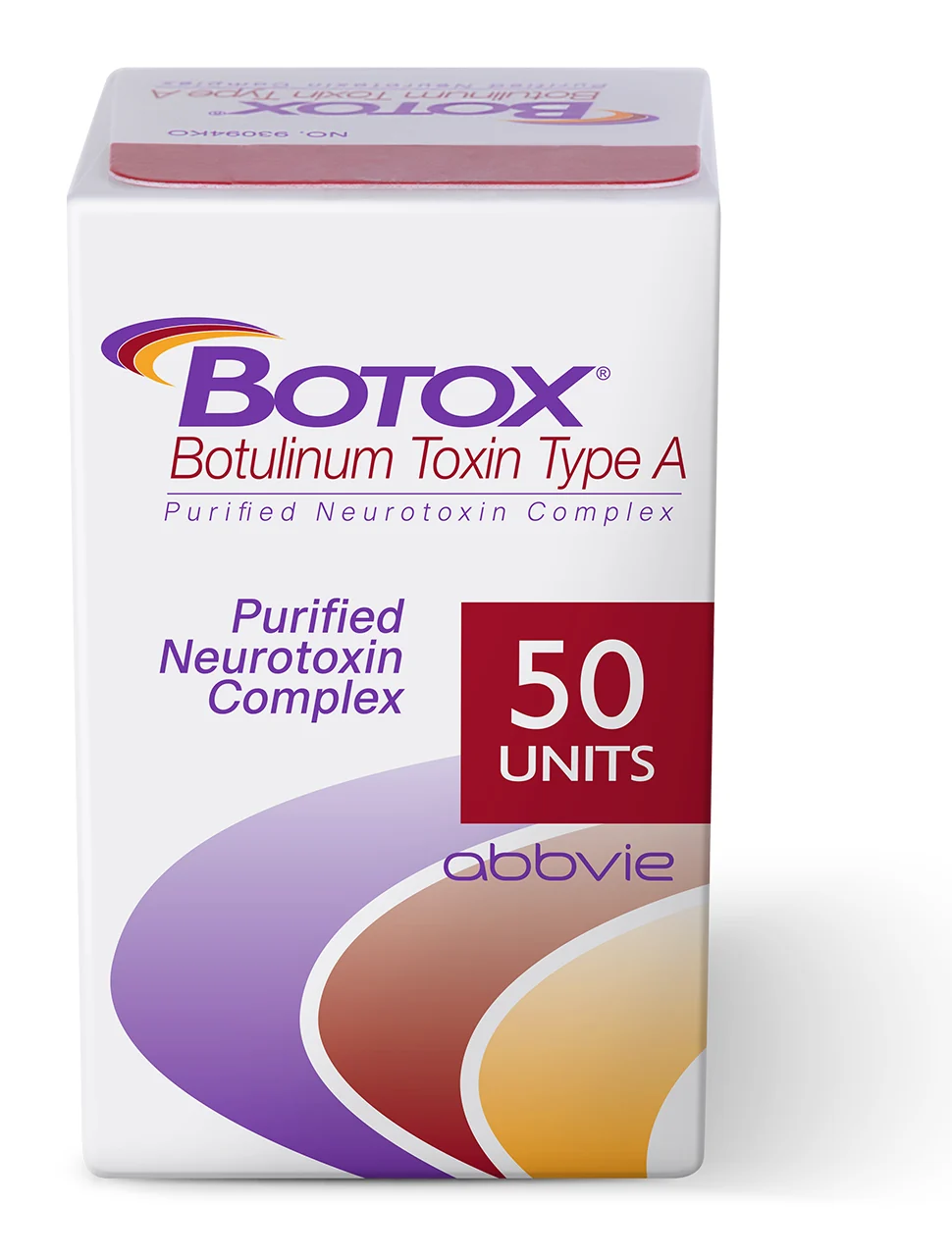
Korean pharmaceutical advertising rules keep prescription toxin product names off public pages, so tiers appear here in place of manufacturers; your director names the product and shows you the vial before it is drawn. Neither tier is described here as lasting longer than the other, and that comparison is made in the room against your own record. Rates are identical for residents and for visitors, and every published wrinkle tier sits on the price list, with the full injection ladder on the botox price page.
Boosters, resurfacing and tightening sit on the same floor and the same list, so sending a returning line to one of them costs the clinic nothing.
Three-dimensional imaging under five light sources with AI analysis stores the outer corner as it was before your first sitting, at full smile and at rest. A returning line is judged against that record on the screen. It settles in seconds whether a corner has come back to where it started or has genuinely moved on.
Repeat injections are director-performed, with points marked on the actively smiling face and kept lateral to the orbital rim. Nothing is copied forward from the previous chart, because the corner being treated is not the corner that was treated last time.
Director-performed treatment is a Dear promise — your procedure is planned and performed by the doctors below.





Real verified reviews from our Google Business Profile.
4.9★★★★★ 310 Google ReviewsThe clinic was very professional from start to finish. Doctor Jung was excellent and gentle with the treatment. I felt well looked after and everyone was outstanding. Happy with my service!
I've visited clinic for LDM procedure. I don't speak Korean, so there was an interpreter who assisted me while consulting. The staff was very attentive, they asked me every time before applying products/covering my face during the procedure and it went smoothly. Planning to visit the clini…
All the staff are kind, the doctor is professional. They recommended us the treatment that fit us best and last the longest. A very nice experience overall.
I did a hydrofacial, white/black head removal, and 1 day lasers. Really kind staff and reasonable prices. The only thing I would advise is that your first consultation is with a salesperson and you don’t see the doctor until after you decide what you want and after you pay.
Had a great experience here as a foreigner! The doctors and staff were knowledgeable, friendly, and not pushy. They made recommendations in my consultation and were happy to work within my budget.
Send one photograph smiling hard and one completely relaxed — answered in English as soon as possible.
Three references cover the clinical use of botulinum toxin type A on expression lines: the first published report of treating frown lines with it, an international consensus education initiative on its aesthetic application, and a laboratory account of how the licensed type A products differ from one another.
They describe a reversible pharmacological effect. They do not measure your eye corner, they attach no interval to it and they set no repeat schedule for it; that comes from the capture held on file at your own examination.
References are provided for information — outcomes vary by individual and are assessed at your diagnosis.