

★★★★★
The clinic was very professional from start to finish. Doctor Jung was excellent and gentle with the treatment. I felt well looked after and everyone was outstanding. Happy with my service!
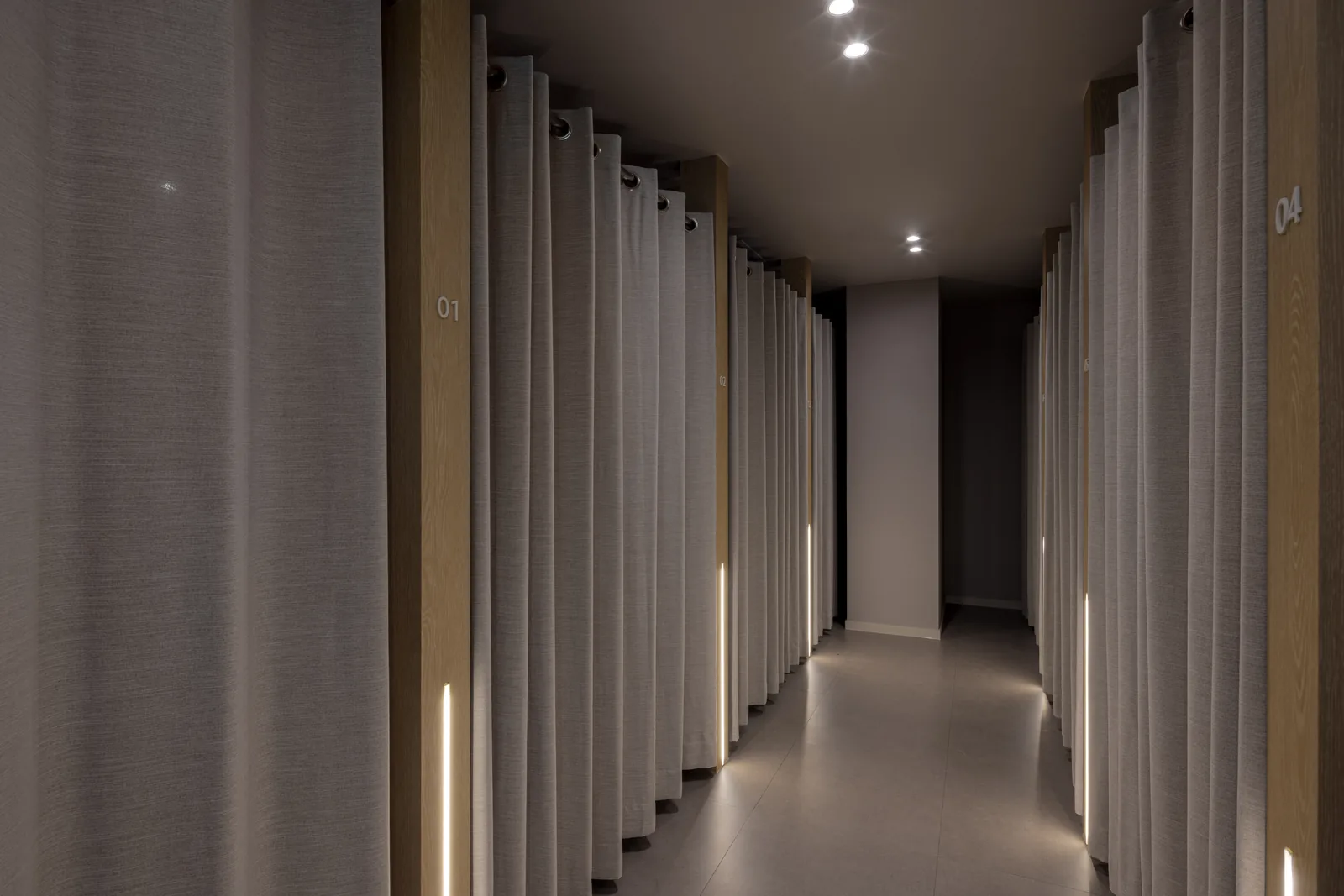
The horizontal lines across a forehead are made by the single muscle that also holds your brow up. Softening one softens the other, so the dose is a judgement about brow height as much as about lines. Priced as a wrinkle area from ₩30,000.
Nothing else on the face pulls the eyebrow upward. Several muscles pull it down — the ones that knit your brows together and the ring of muscle around each eye — but only the frontalis raises it. When botulinum toxin type A reduces the signal reaching that sheet, the downward pullers carry on unopposed at whatever strength they had before. Where the brow settles afterwards is decided by that balance, which is why it is read on your own face before any dose is written.
Two kinds of line live on a forehead, and they behave differently. A dynamic line appears when you raise your brows and vanishes when your face rests; it responds well because the folding is what creates it. A static line stays visible while your forehead is completely still, because the skin has been creased in the same place for years and the crease has taken on a life outside the muscle. Softening the movement stops a static line deepening further and usually shallows it over time, and it rarely erases one.
The full picture of expression-line work across the face, including which zones count as separate treated areas, sits on the wrinkle botox page. This page is the forehead on its own, because the forehead is the one zone where the treatment has a second consequence built into its anatomy.
A forehead treated harder than its owner's brow can afford looks smooth in a mirror and heavy in a photograph.
Reduce the sheet's contraction enough and the brow loses the small amount of elevation it was holding all day. On a face with plenty of room between brow and lid, nobody notices. On a face with little, the upper lid starts to feel like it is resting on the lashes.
A brow that already sits close to the orbital rim, or an upper lid with a fold of skin sitting on it, has no margin to give away. The same is true for anyone who has been unconsciously recruiting the forehead to hold the brows up, which is common and which shows up the moment the recruitment is taken away.
The lower part of the sheet, the band closest to the brow, is treated with the most restraint or left alone, and the first plan is deliberately light. Adding at a review is straightforward. Waiting out a brow that has been over-treated is not, and it is the reason a first forehead plan here is rarely the strongest one available.
There is a second pattern worth naming. Treating the middle of the sheet while leaving its outer edges working can pull the outer ends of the brows up into peaks, an effect patients describe as arched or startled. It comes from an uneven map instead of from too much product, it is temporary, and it is usually settled at the review by treating the peaks that were left behind.
Your director takes photographs at rest, at a full brow raise and at a hard frown before any of this is decided, because a forehead at rest tells you almost nothing about how hard it is working. Where the reading shows the lines are static creases in thin, sun-damaged skin with very little movement behind them, toxin is the wrong tool and you are told so; the conversation moves to treatments that act on the skin itself, and the skin booster and laser routes are where it usually goes.
Four readings end a forehead consultation without an injection. A brow already sitting low on the orbital rim, where the treatment would buy smoothness at the cost of an eye that looks smaller. An upper lid carrying a fold of skin that the forehead is quietly helping to hold clear, which is common past a certain age and is read by asking you to close your eyes and relax completely. Lines that stay identical whether your forehead is still or working, which are creases in skin and not folds made by a muscle. And a face where the frontalis is doing structural work — occasionally somebody is using it to keep the visual field clear, and taking it away is not a cosmetic decision at all.
The risks belong in the same conversation. A dropped brow or a heavy upper lid can follow a forehead dose and is the risk patients most want to hear about; it wears off, but it wears off on the product's schedule and not on yours. Asymmetry between the two halves of the sheet is the most common thing a review corrects. Bruising at an entry point, brief swelling and a headache in the first day or two happen. Uneven peaking of the outer brow, described above, is a mapping outcome. Results vary between individuals and are assessed on your own examination.
Tell your director about any neuromuscular condition, about blood-thinning medication or supplements, and about pregnancy or breastfeeding, since any of those changes what is offered to you. If you have had a forehead treated before and disliked how it felt, bring that with you: what was dosed, roughly when, and what specifically bothered you is more useful than any photograph.
| Tier | What one forehead area covers | Per area |
|---|---|---|
| Korean | A domestically manufactured botulinum toxin type A, mapped across the frontalis in one sitting | ₩30,000 (≈ $20) |
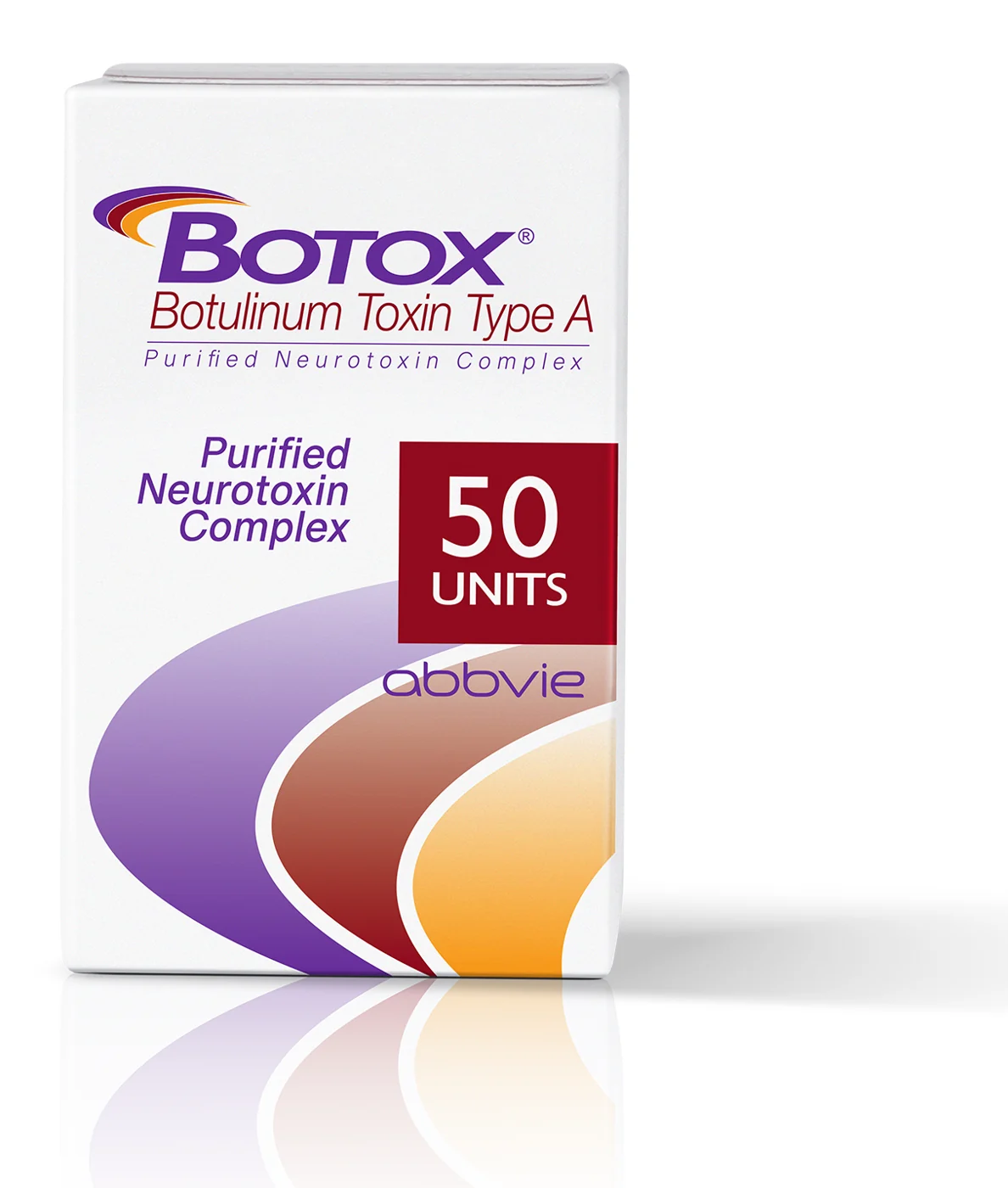
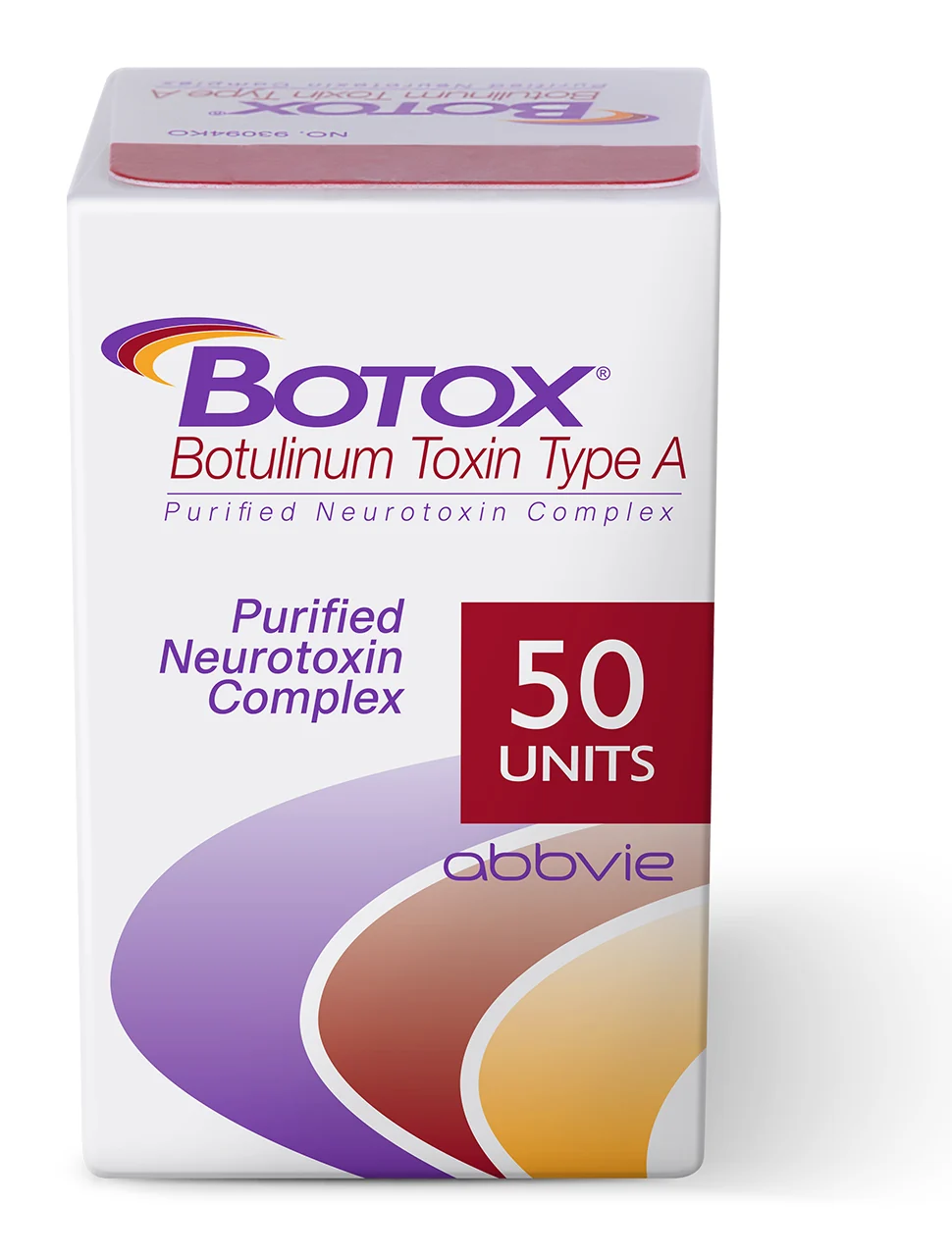
| Imported | An imported premium-tier type A product, same mapping and the same sitting, for patients who prefer it | ₩150,000 (≈ $105) |
Korean pharmaceutical advertising rules keep prescription toxin product names off public pages, so what you see here are tiers and not manufacturers; your director names the product and shows you the vial before it is drawn. The glabella is its own area, so a plan covering both zones is quoted as two lines and approved by you as two lines. Rates are identical for residents and for visitors, and every published wrinkle tier sits on the price list, with the wider pricing picture on the botox price page.
At the review your director compares your brow raise against the photographs taken before treatment, evens up any difference between the two sides and decides whether the band nearest the brow should stay untouched. Aftercare specific to your plan is given to you at the appointment, and with the clinic open 365 days anything that worries you can be looked at quickly.

Skin treatments and injectables share a floor here, so a static crease can be sent to the tool that actually reaches it.
Three-dimensional imaging under five light sources records the forehead at rest, at a full raise and at a frown, and the AI analysis measures how much the brow actually travels between them. That distance, together with the gap between brow and lid, is what decides whether the lower band of the sheet is treated at all.
The map is drawn on your own face with the muscle engaged, kept well above the orbital rim, and the injections are performed by your director. Units follow the strength that sheet shows on the day, and the map is drawn again at every visit instead of being copied from the last one.
Director-performed treatment is a Dear promise — your procedure is planned and performed by the doctors below.





Real verified reviews from our Google Business Profile.
4.9★★★★★ 310 Google ReviewsThe clinic was very professional from start to finish. Doctor Jung was excellent and gentle with the treatment. I felt well looked after and everyone was outstanding. Happy with my service!
I've visited clinic for LDM procedure. I don't speak Korean, so there was an interpreter who assisted me while consulting. The staff was very attentive, they asked me every time before applying products/covering my face during the procedure and it went smoothly. Planning to visit the clini…
All the staff are kind, the doctor is professional. They recommended us the treatment that fit us best and last the longest. A very nice experience overall.
I did a hydrofacial, white/black head removal, and 1 day lasers. Really kind staff and reasonable prices. The only thing I would advise is that your first consultation is with a salesperson and you don’t see the doctor until after you decide what you want and after you pay.
Had a great experience here as a foreigner! The doctors and staff were knowledgeable, friendly, and not pushy. They made recommendations in my consultation and were happy to work within my budget.
Send one photograph at rest and one with your brows raised — answered in English as soon as possible.
Three references cover the clinical use of botulinum toxin type A on expression lines: the first published report of treating frown lines with it, an international consensus education initiative on its aesthetic application, and a laboratory account of how the licensed type A products differ from one another.
They establish the mechanism and the product science. They do not describe your forehead, they set no dose for it and they attach no timeline to it; that comes from the measurement taken at your own examination.
References are provided for information — outcomes vary by individual and are assessed at your diagnosis.