★★★★★
The clinic was very professional from start to finish. Doctor Jung was excellent and gentle with the treatment. I felt well looked after and everyone was outstanding. Happy with my service!
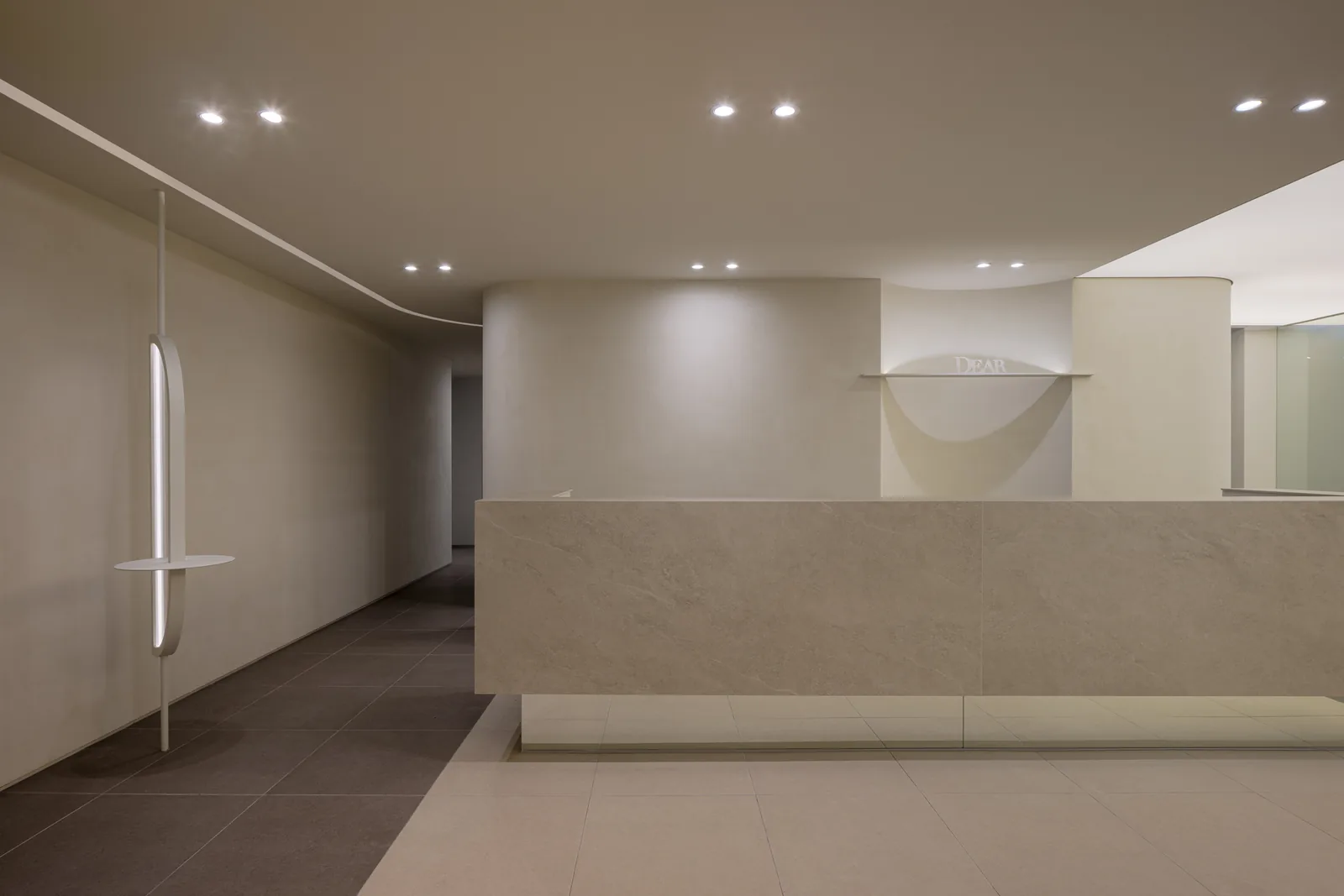
Radiofrequency delivered through an insulated microneedle, aimed at the individual overactive oil gland behind a lesion that keeps coming back in the same spot — worked one marked point at a time.
The distinction matters for one specific frustration: the lesion that reappears in exactly the same place, month after month, no matter how disciplined the routine is. That pattern usually points at one particular overactive oil gland, and a treatment that works evenly across a wide field tends to skim past it.
Two tip types are used with the system — PTT and MLA — and the choice between them is a clinical one made against what your skin is actually doing. Lesion work and pore work are different jobs. Tip, depth and energy are therefore set at the chair, for the skin in front of the director.
Agnes is not a cure for acne, and we do not present it as one. Acne is a condition with hormonal, genetic and behavioural drivers; what a device can reasonably address is a defined part of that picture. Where the rest of the picture needs medical management, that gets said out loud at diagnosis.
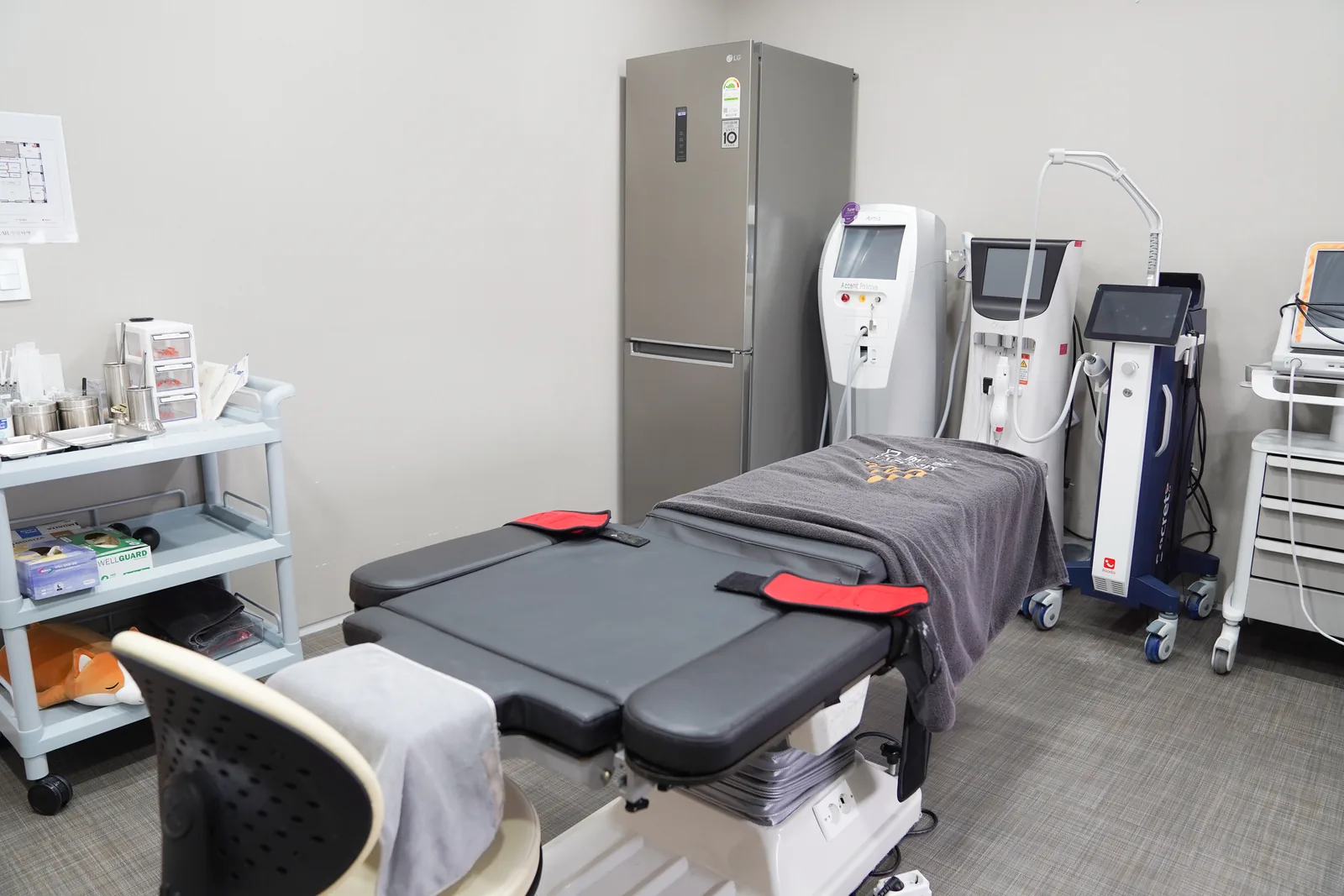
Mapped from your 3D scan and from your own history of where lesions return — the repeat offenders are the point.
The zone most often described as flaring on a cycle. Deep, tender lesions sit here, and they are the ones people can point to from memory.
Scattered inflammatory lesions and the older marks they leave. Treating the source gland is a different conversation from treating the mark, and both get planned separately.
Where visible pores and oil load dominate over individual lesions. This is pore-focused MLA work with a lighter setting, and Dear prices it as its own session, separate from a full face.
Small, persistent bumps along the hairline. They are often tangled up with hair products, caps and headbands, so those habits are gone through with you at diagnosis before anything is marked.
Bring your own map to the consultation if you can. Where lesions come back, how long each one lasts, whether they track a cycle, what changed the last time something helped — that history is diagnostic information a scan cannot supply, and it frequently changes which zones we mark and which we leave alone on the first visit.
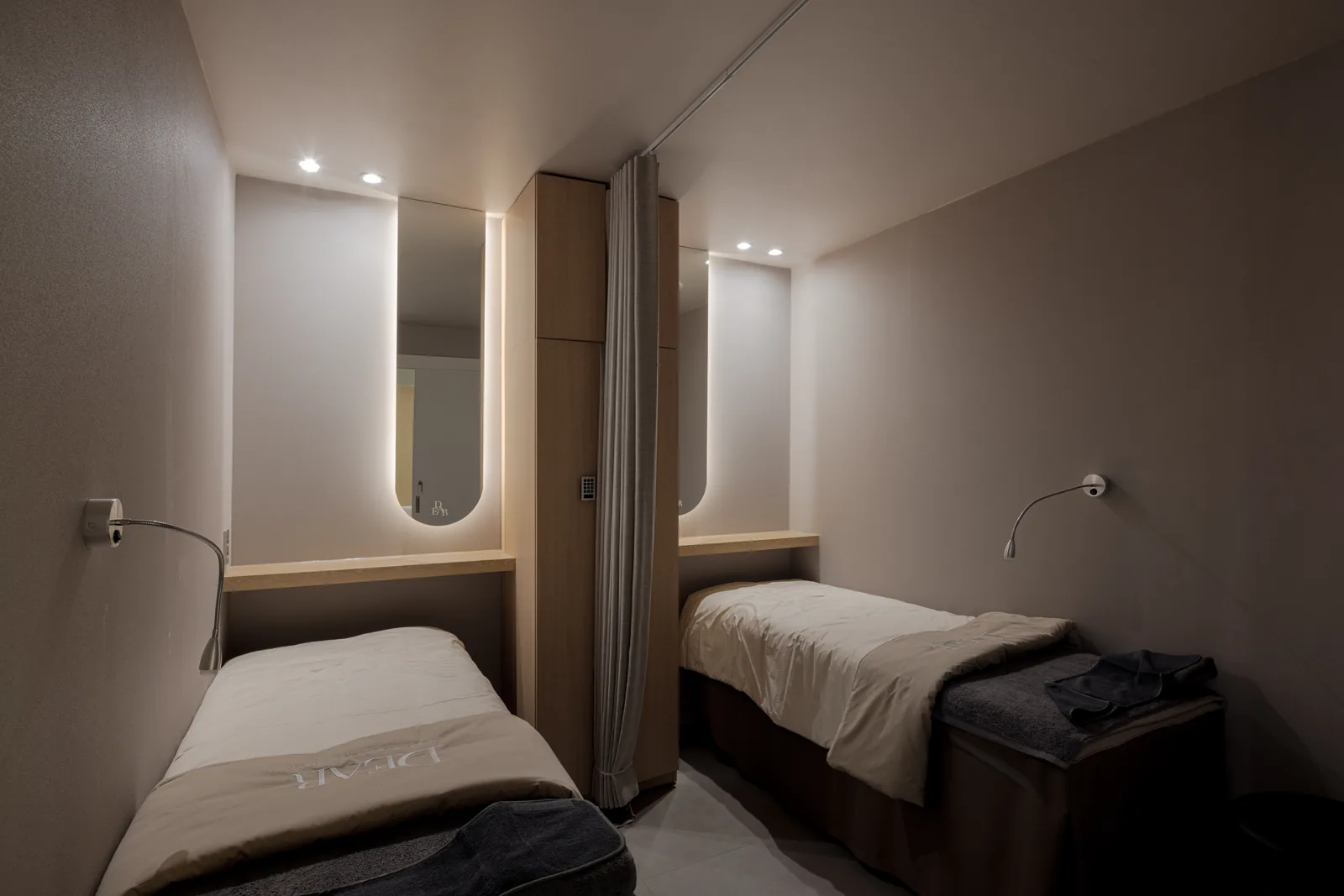
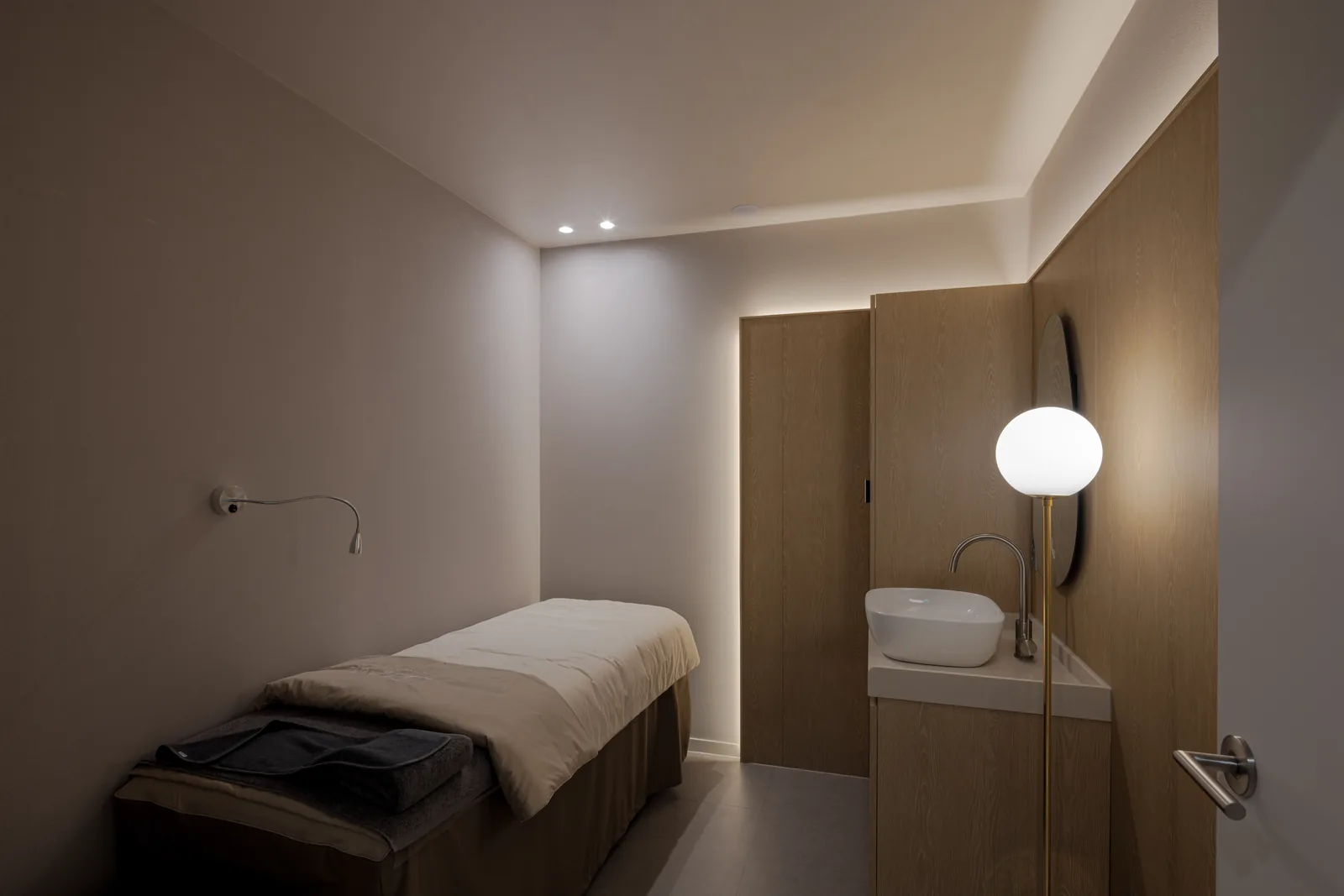
Three differences that decide whether energy lands where it is meant to land.
Because the needle shaft is insulated, radiofrequency is released only at the tip, so the shaft delivers nothing on the way in. The epidermis above the target is spared the heat, which is what allows the work to be repeated on a face that is already inflamed.
The treatment is aimed at the specific overactive sebaceous gland under a recurring lesion. That selectivity is what the insulated tip exists for: reduce the driver behind that lesion instead of heating everything around it.
PTT and MLA tips address different work — a marked lesion and a field of open pores do not want the same instrument. The selection, the depth and the energy are set at the chair, session by session.
It is slow. Selective work takes longer than a broad pass, and a face carrying many active lesions becomes a plan across several visits, which is why the session count is quoted at diagnosis and said out loud at booking.
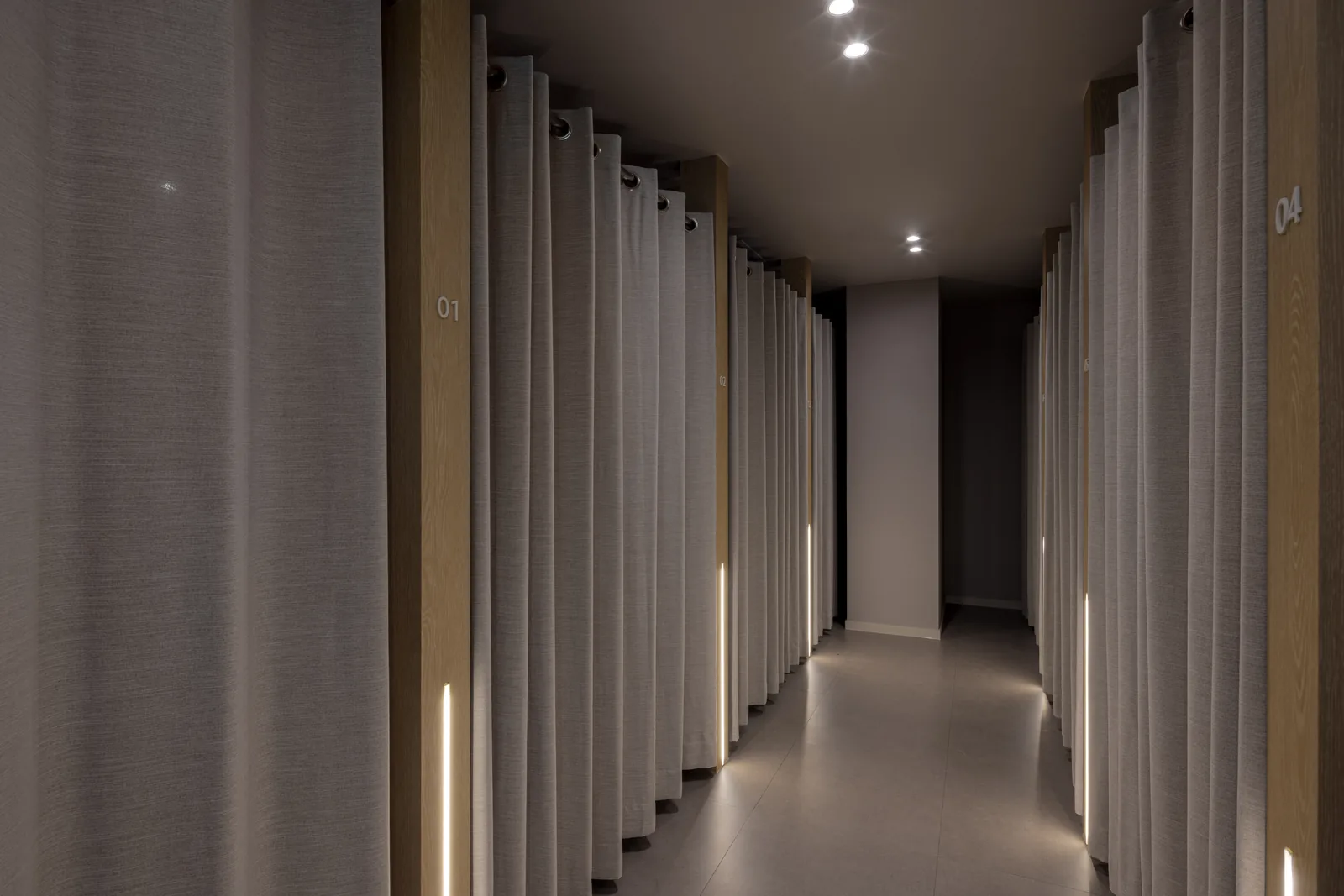
Every lesion to be treated is marked before the device is switched on.
Your skin is scanned and your recurrence history taken, then each lesion to be treated is marked on its own. Only marked points are treated.
Topical anaesthetic is applied and given time to work properly before anything begins. Rushing this step is the usual reason people describe such treatments as harder than they need to be.
The insulated needle is placed at each marked point and radiofrequency is delivered at the tip, with tip type, depth and energy adjusted as your director works through the map.
Cooling and soothing care close the session, home care is set out, and the next interval is decided at that point — including the decision that the plan has finished.
Plan for an hour and a half in the building on a first visit, most of which is diagnosis, marking and waiting properly for numbing. Come with a bare face if you can, or at least without heavy base makeup, and bring the names of anything you are currently using on your skin — prescription products especially, since a few of them change what we can safely do that day.
One practical note about scheduling: if you know your skin flares on a predictable cycle, tell us at booking. There are weeks in a month when treating is more useful than others, and a session placed sensibly against your own pattern is worth more than one squeezed into the first free slot.
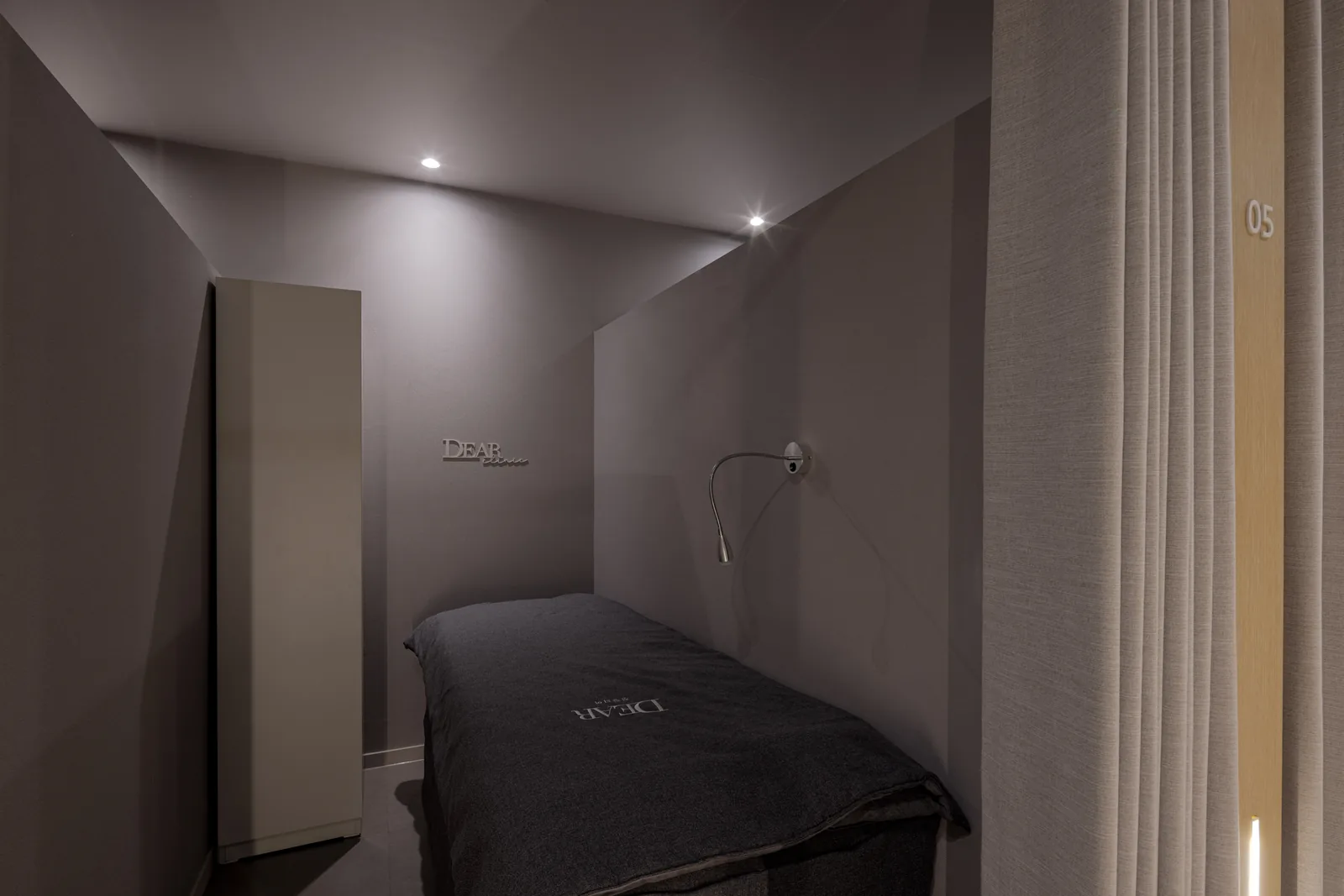
Microneedling, vascular, toning, peeling and injectable routes run in this building alongside Agnes. When the scan says the problem is scarring or leftover redness, the plan is written from those.
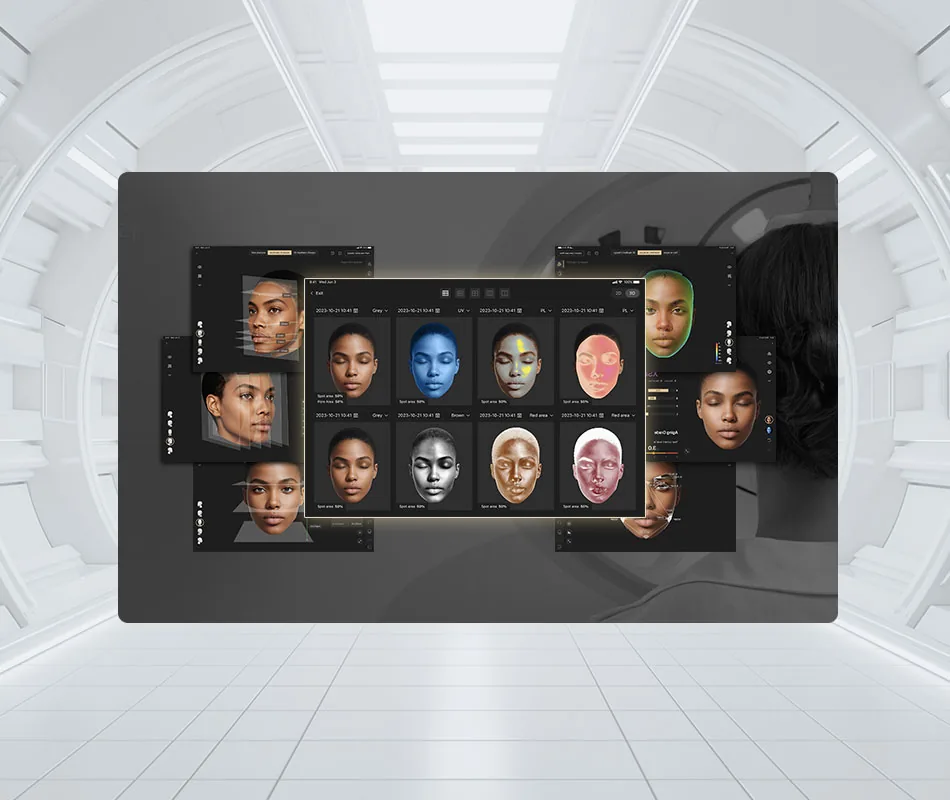
Oil distribution, pore load, live inflammation and the marks left by older lesions are separated on the EVE Muse 3D scan with five-light-source analysis before a single lesion is marked, because a face that looks evenly congested at arm's length rarely turns out to be once the light is changed.
Sessions are director-performed. Each placement is its own decision about depth and energy. Nothing is typed in once at the start and left to run.

Acne is the category where over-servicing hides most easily, because the condition rises and falls on its own and any good month can be credited to the last session. Three things work against that here. We write down what we expect to change, we photograph under the same light at review, and we end a plan when it has finished or when it is not working.
| Session | Includes | Price |
|---|---|---|
| Agnes · full face | Lesion mapping, insulated microneedle RF, PTT / MLA tip work as planned | ₩250,000 (≈ $180) |
| Nose + T-zone pore MLA | Pore-focused MLA work limited to the nose and T-zone | ₩165,000 (≈ $120) |
| Every plan | EVE Muse 3D + AI diagnosis · doctor consultation · aftercare guidance | included |
Published rate as of September 2026, shown in KRW with a USD reference figure. Acne plans often combine treatments, and where they do, each part is priced from the same published list and totalled with you before anything starts. If your diagnosis points at scarring or texture instead of active lesions, we will talk you through the microneedling and resurfacing routes; dedicated guides for those are coming to this site.
Some consultations end with no session booked. Widespread, severe or rapidly worsening acne is a medical problem before it is an aesthetic one, and we do not recommend a device as the first answer to it; your director will talk through medical management and onward referral, and no appointment is taken that day. We also decline over an active skin infection outside the marked lesions, during pregnancy, during or shortly after a course of oral isotretinoin, and on skin with a keloid tendency where the risk of a raised scar outweighs what the session could gain. For the sessions that do go ahead, the risks are named plainly: redness, mild swelling and tenderness at treated points, pinpoint scabs that must be left to lift on their own, pigment marks where treated skin meets sun too early, and, uncommonly, a small mark that outlasts the treatment.
Responses vary by individual, by lesion type and by what else is driving the acne. Nothing here is offered as a uniform or assured outcome.
Six points. The last one changes what can safely be done on the day.
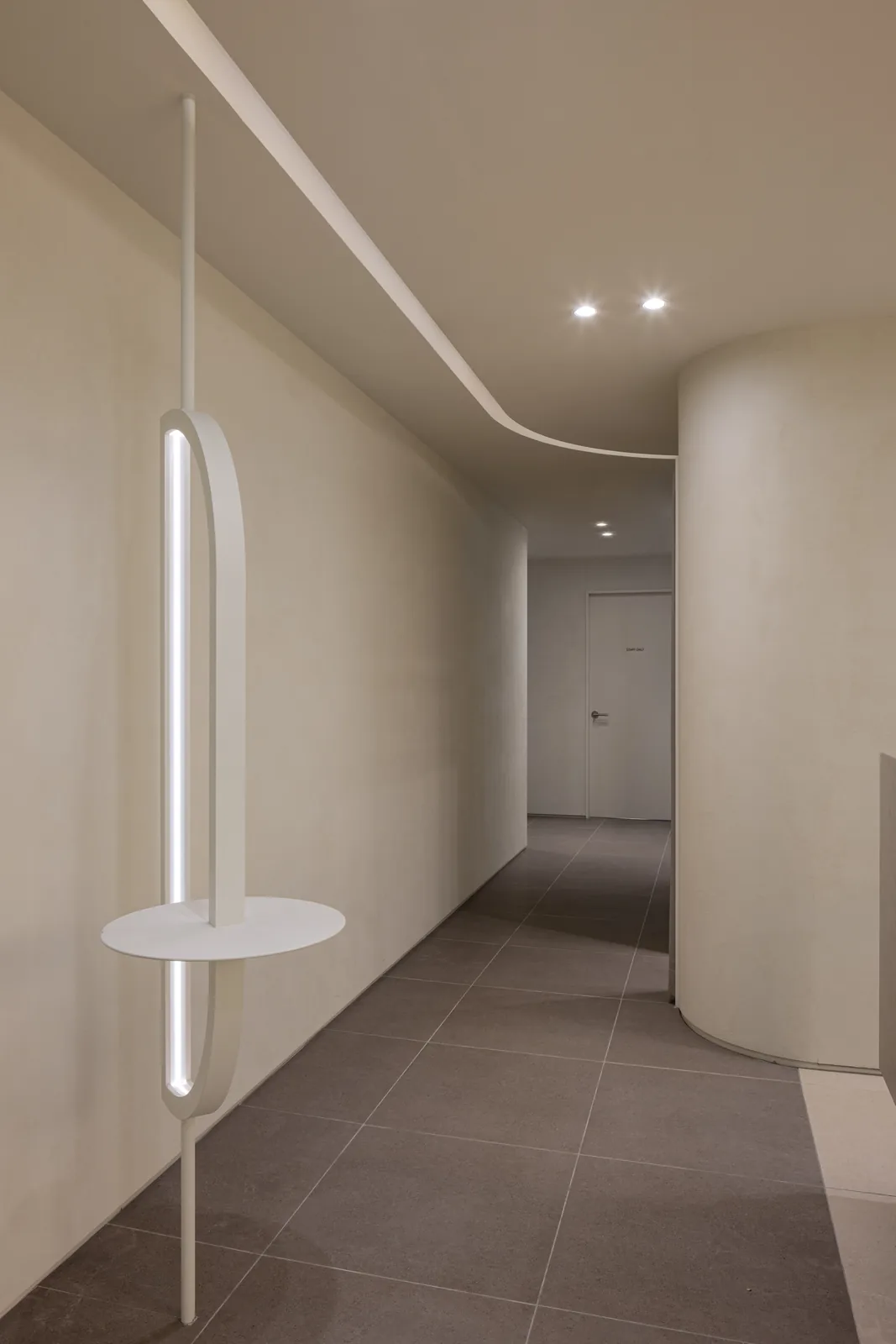
Director-performed treatment is a Dear promise — your procedure is planned and performed by the doctors below.





Real verified reviews from our Google Business Profile.
4.9★★★★★ 293 Google ReviewsThe clinic was very professional from start to finish. Doctor Jung was excellent and gentle with the treatment. I felt well looked after and everyone was outstanding. Happy with my service!
I've visited clinic for LDM procedure. I don't speak Korean, so there was an interpreter who assisted me while consulting. The staff was very attentive, they asked me every time before applying products/covering my face during the procedure and it went smoothly. Planning to visit the clini…
Had a great experience here as a foreigner! The doctors and staff were knowledgeable, friendly, and not pushy. They made recommendations in my consultation and were happy to work within my budget.
I did a hydrofacial, white/black head removal, and 1 day lasers. Really kind staff and reasonable prices. The only thing I would advise is that your first consultation is with a salesperson and you don’t see the doctor until after you decide what you want and after you pay.
Wonderful experience — friendly, professional staff, clear consultation with a thorough skin analysis, and visible results after my treatment; the clinic is clean and communicates aftercare clearly, highly recommended
Your questions, answered in English within one business day.
Selective sebaceous gland electrothermolysis and microneedle radiofrequency for acne have been studied in controlled and split-face designs since the early 2010s. The references below are studies of the mechanism; none of them predicts an outcome on your own skin.
They inform how depth, energy and tip selection are approached here, and they sit alongside the plainer point made throughout this page: a device addresses one part of acne, and only that part. All references carry verifiable DOIs from indexed journals.
References are provided for information — outcomes vary by individual and are assessed at your diagnosis.