★★★★★
The clinic was very professional from start to finish. Doctor Jung was excellent and gentle with the treatment. I felt well looked after and everyone was outstanding. Happy with my service!
Seven routes for standing redness, uneven tone, active breakouts, the scars they leave and old ink. Each is separated on the EVE Muse scan first, because what a beam does depends entirely on what in your skin absorbs it.
Almost every face that arrives here describes its problem as one word. Dull. Blotchy. Broken out. Scarred. Under a 3D scan with five light sources, that one word usually separates into two or three findings: pink that turns out to be vascular, brown sitting shallower than it looks, a texture problem tangled up with an oil problem. Those findings do not share a treatment, and a course bought against the word instead of the finding is a course of the wrong thing.
Seven routes are listed below with the target each one acts on, the number of visits it normally takes and where its published price starts. Most faces need one of them; a fair number need two, in a specific order, with an interval between. And some need none: if the scan reads your unevenness as barrier damage or as post-inflammatory colour that is already fading, a laser is not the right purchase this season, and you will hear that at the consultation.

Two routes work on a chromophore: haemoglobin for vessels, melanin for pigment. Three are built around needle depth, where no chromophore helps. One works by pressure alone, and one works on ink. Tap any route for its protocol, aftercare and full published price.
Every figure above is a published rate, the same for residents and for international visitors. The Excel V rate covers the laser alone; the toning rate includes the in-clinic skincare at each visit. Session counts, treated zones and tattoo area are set at diagnosis and approved by you before a device is switched on.
Start from the row that matches what you see in the mirror. The target column is the part that decides everything to its right.
| Concern | Route | Target & mechanism | Downtime | Base unit |
|---|---|---|---|---|
| Standing redness, visible vessels | Excel V | Haemoglobin. 532 nm for surface vessels and shallow brown, 1064 nm for deeper, larger vessels | Redness and mild swelling for about a day; treated vessels can look briefly darker before they fade | ₩150,000 (≈ $105) / session |
| Uneven tone, dullness, diffuse pigment | Dual Laser Toning | Melanin. Low-fluence 1064 nm passes with in-clinic skincare each visit; sold singly or in blocks of ten | Usually no visible recovery time; mild warmth or flushing generally settles the same day | ₩200,000 (≈ $145) / session |
| Acne scars, open pores, rough texture | Potenza | No chromophore. Radiofrequency released from needle tips at a set dermal depth, prompting collagen repair over the following weeks | A red, warm face on the day, easing across the following two to three days | ₩250,000 (≈ $180) / session |
| Acne that keeps returning to the same spot | Agnes | The sebaceous gland. Insulated microneedle radiofrequency, heat at the tip only, epidermis protected | Usually little; planned lesion by lesion instead of across a whole face | ₩250,000 (≈ $180) / full face |
| Deep cystic lesions, tethered scar work | CureJet | Pressure alone, with no chromophore involved. A jet crosses the surface without a needle track; used as one step inside a plan | A few days of redness, mild swelling and sometimes pinpoint bruising where pressure was worked hardest | ₩500,000 (≈ $355) / full face |
| Boxcar, ice-pick and rolling scarring | Acne Scar Laser | Scar architecture. Needle subcision to release tethered floors, RF microneedling and jet delivery in the middle, focused laser work on individual lesions last | Depends on the steps used, so it is set at consultation; redness and pinpoint marks after microneedling usually settle over two to three days | Subcision ₩500,000 (≈ $355) |
| Body ink, eyebrow or eyeliner tattoo | Tattoo Removal | Ink particles. Fragmented by the pulse and cleared by the immune system between visits, which sets the six-to-eight-week spacing | Redness, swelling and a brief whitish frosting on the day, then several days of healing in which blistering or scabbing may appear | ₩90,000 (≈ $65) / 5 cm |
Downtime descriptions reflect what is commonly experienced and vary with skin, area and session intensity. The figures are base units for one session or one area; your total is the unit multiplied by the count your plan calls for, confirmed in writing before treatment.
Where a face needs several of these in one protocol, they are sequenced into one plan instead of sold separately: the D-ARC Solution is our signature acne and acne-scar programme, running deep layer to surface within a single plan and quoted from the treatments it actually contains. Ask about it at consultation if both active breakouts and old scarring are on your list.
Three different physical principles are represented here: absorption by a chromophore, radiofrequency delivered at a chosen needle depth, and pressure with no needle at all. A face whose finding is vascular gets the first, a face whose finding is scar architecture gets the second, and neither has to be squeezed into the other. Barrier repair and a skincare routine, with no device involved, is also a normal outcome of a consultation here.
A mirror blends vascular pink into pigmented brown and hides how deep either sits. Three-dimensional imaging under five separate light sources pulls them apart, and AI analysis records the zones each occupies. Because the wavelength is chosen by what absorbs it, that separation is the whole basis of the plan: get the chromophore wrong and the energy lands somewhere it can do nothing useful.
Wavelength, spot size, needle depth, pass count and the point at which to stop are decided zone by zone and, for scar and acne work, lesion by lesion. The director who read your scan performs the session. Review intervals follow the mechanism: weeks for a collagen response, a full skin cycle before pigment is judged, and one whole interval between tattoo visits before fading is scored.
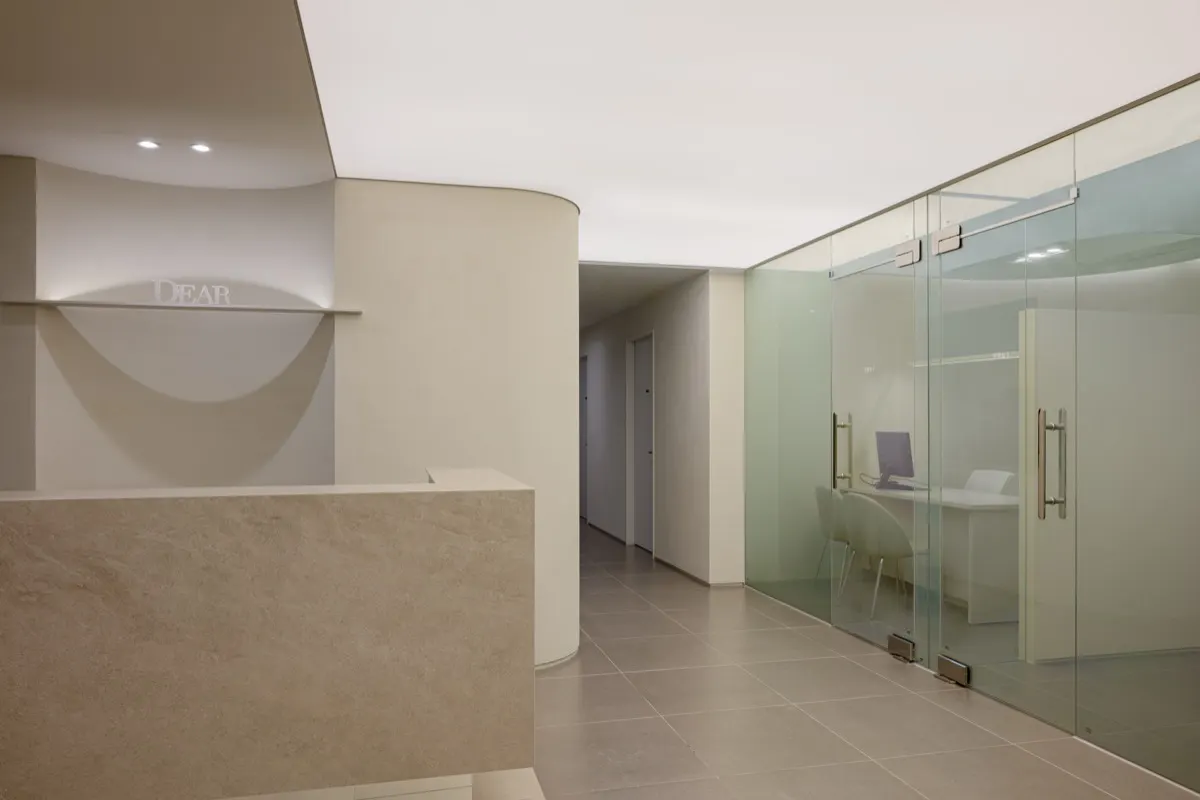
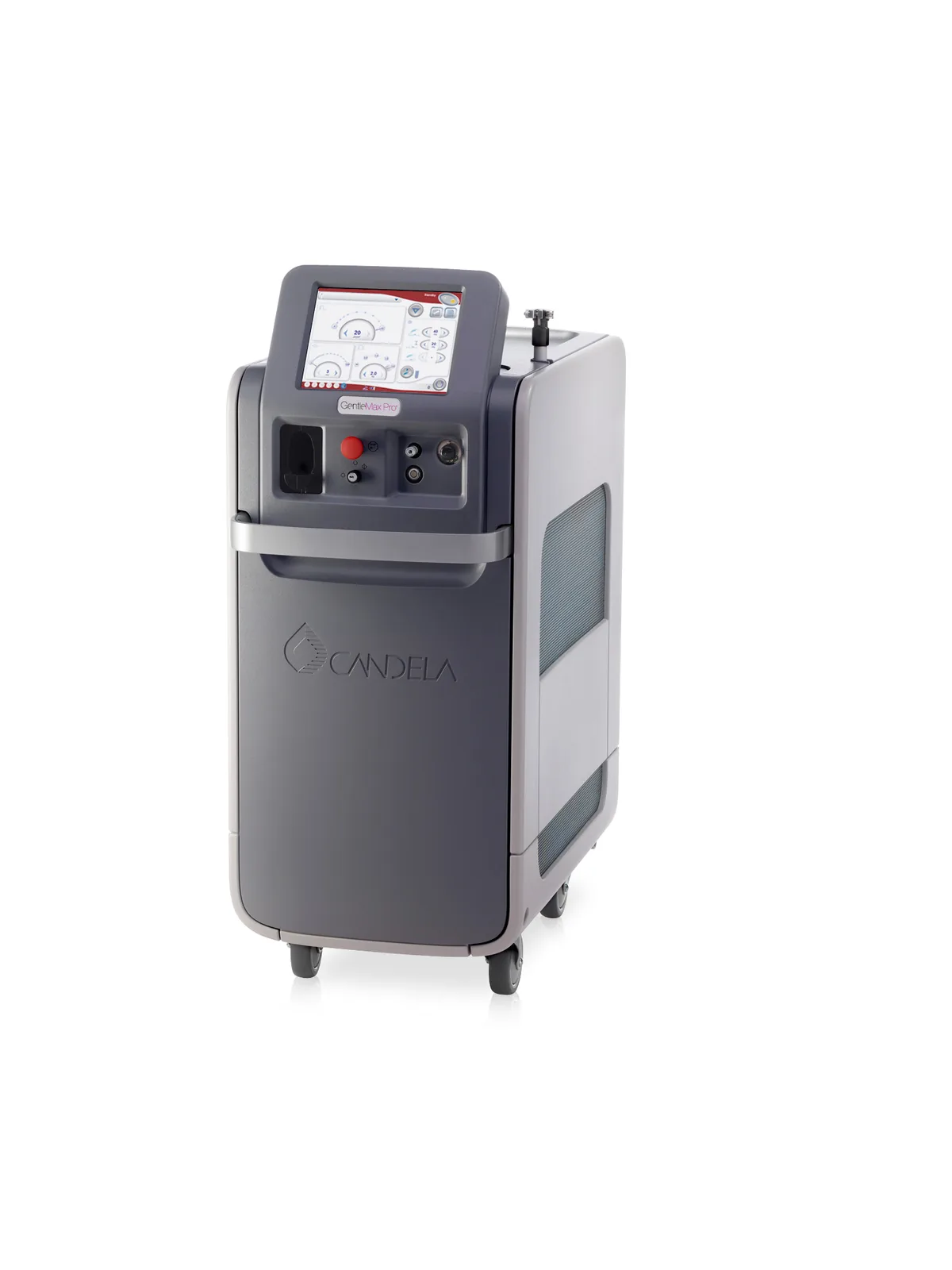
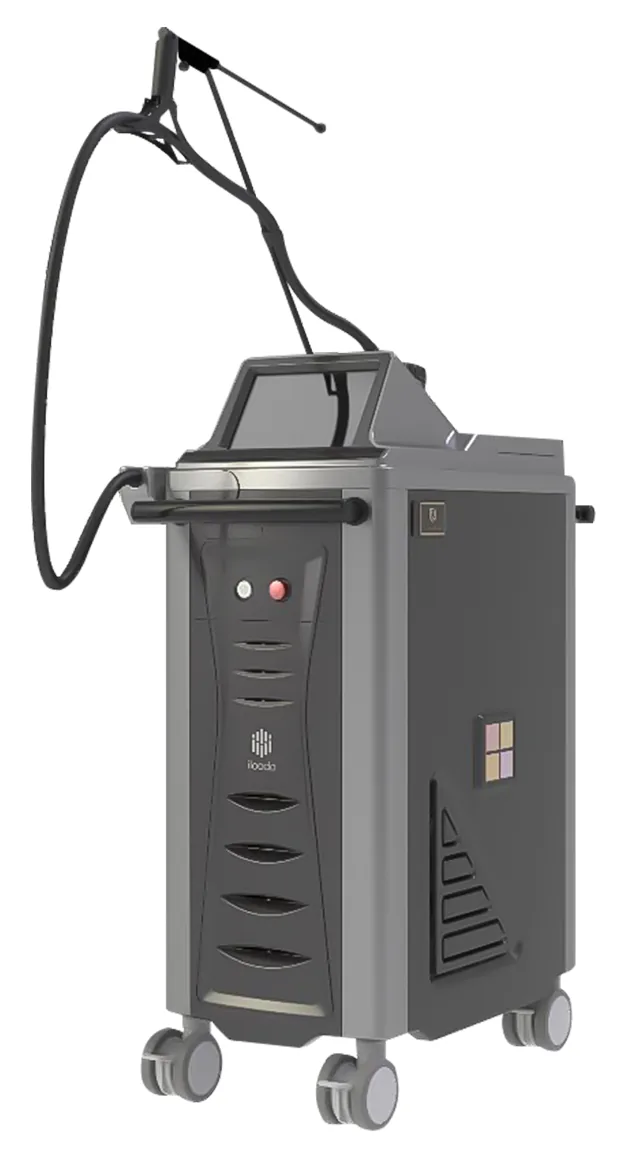
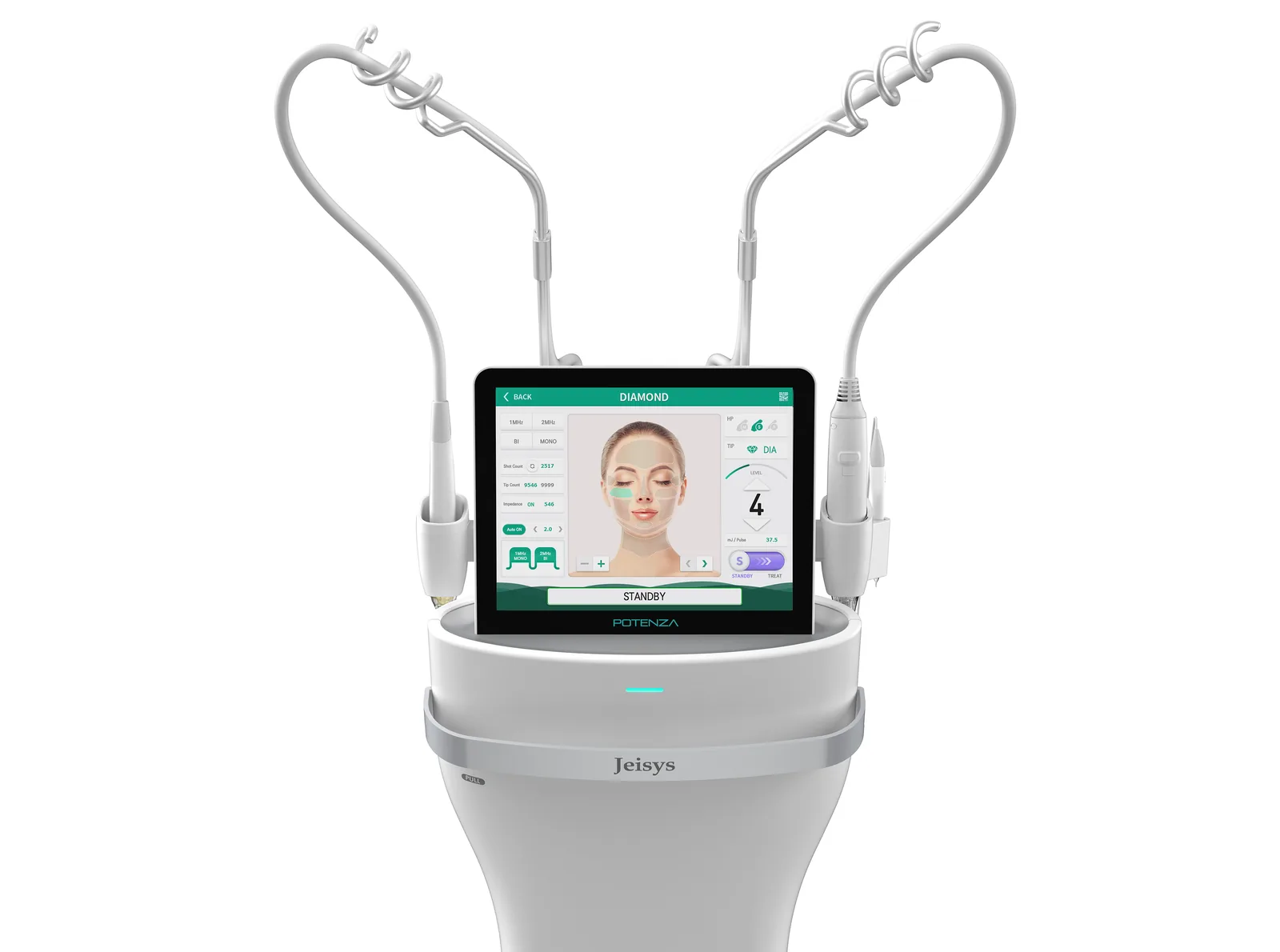
Four steps. The first two are about your skin, and only the third involves a machine name.
The 3D scan and five-light analysis break one complaint into parts: vascular redness, pigment and its depth, active inflammatory lesions, scarring by type, and the texture around all of it. Where your lesions keep coming back is recorded from your own account, because no scan supplies that.
Vessels go to haemoglobin and a vascular wavelength. Diffuse pigment goes to melanin and a paced toning course. Gland-driven recurrence has no chromophore and goes to insulated microneedle radiofrequency. Indented scarring goes to release and rebuild. Two of the seven usually survive this step, and sometimes none does yet.
Now the numbers: which zones, what needle depth, how many passes, the interval between visits, the tattoo area in centimetres, and the order the steps run in when a face needs more than one. Two steps that both provoke a repair response get spaced apart; stacking them in one visit buys inflammation instead of speed.
Your director performs the session and sets the review to the mechanism: days for an inflammatory response, weeks for a collagen one, and a full skin cycle before pigment or fading is scored at all. The next visit is booked once that review says it has earned its place.
The limits are named in the same conversation. A vascular session can leave treated vessels looking darker before they fade, and bruising is possible. Toning is gradual by mechanism and can cause hypopigmented spotting if pushed too hard or too often, which is why it is paced. RF microneedling leaves a red, warm face and pinpoint marks. Tattoo removal can blister, scab and leave a lasting colour change, and no clinic can promise a tattoo will clear completely.
Director-performed treatment is a Dear promise — your procedure is planned and performed by the doctors below.





Real verified reviews from our Google Business Profile.
4.9★★★★★ 293 Google ReviewsThe clinic was very professional from start to finish. Doctor Jung was excellent and gentle with the treatment. I felt well looked after and everyone was outstanding. Happy with my service!
I've visited clinic for LDM procedure. I don't speak Korean, so there was an interpreter who assisted me while consulting. The staff was very attentive, they asked me every time before applying products/covering my face during the procedure and it went smoothly. Planning to visit the clini…
Had a great experience here as a foreigner! The doctors and staff were knowledgeable, friendly, and not pushy. They made recommendations in my consultation and were happy to work within my budget.
I did a hydrofacial, white/black head removal, and 1 day lasers. Really kind staff and reasonable prices. The only thing I would advise is that your first consultation is with a salesperson and you don’t see the doctor until after you decide what you want and after you pay.
Wonderful experience — friendly, professional staff, clear consultation with a thorough skin analysis, and visible results after my treatment; the clinic is clean and communicates aftercare clearly, highly recommended
Your questions, answered in English within one business day.
The three families gathered on this page are separated by what they act on: haemoglobin for vessels and redness, melanin for pigment, and needle-delivered radiofrequency where no chromophore is available. Each carries its own published clinical literature, including long-term follow-up and a pooled analysis. These papers inform which family a finding is assigned to after your EVE Muse 3D + AI diagnosis.
All references carry verifiable DOIs from indexed journals. They describe the technologies in general clinical use; the number of sessions your own skin needs is estimated at your consultation, and outcomes differ from person to person.
References are provided for information — outcomes vary by individual and are assessed at your diagnosis.