★★★★★
The clinic was very professional from start to finish. Doctor Jung was excellent and gentle with the treatment. I felt well looked after and everyone was outstanding. Happy with my service!
Boxcar, ice-pick and rolling scars sit at different depths, so they are treated at different depths — released first, rebuilt second, refined last.
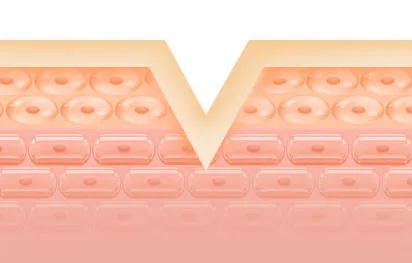
A depressed scar is a shortage of tissue underneath, which is why colour-correcting skincare does nothing to it. Where a breakout resolved, the repair left less collagen than the surrounding skin had, and strands of fibrous tissue often pull the floor of the scar downward from underneath. Light that only reaches the surface can polish the edges of that dent, but it cannot lift a floor that is being held down. That is the reasoning behind the sequence used here: free the tether first, then give the skin a reason to build volume back into the gap, then even out what remains on the surface.
The same logic applies in reverse to over-treatment. Firing a strong resurfacing setting across an entire face to chase a handful of deep pits asks healthy skin to recover from something it never needed. Mapping which scar sits where — and which ones are better left for a later session — is the part of this work that decides your outcome, and it happens at diagnosis, before any energy is switched on. Some faces leave that mapping with nothing booked: where the marks are flat and red instead of indented, we do not recommend the subcision route, and we say so before a course is quoted.
Depth, shape and the degree of fibrous tethering differ from scar to scar, and one setting cannot serve all of them.
Box-shaped depressions with defined walls and a flat floor. Wide enough to catch shadow in overhead light, which is why they read worse in photographs than in a mirror.
Narrow and deep, shaped like a puncture. Their depth relative to their width is exactly what makes surface-only work under-deliver on them.
Soft, undulating dips with sloped edges, held down by fibrous strands underneath. These are the ones that respond to release before anything else.
Red or brown traces left after inflammation, plus the coarse surrounding texture. These sit flat in the skin and are handled differently from a true depression.
Most faces carry a mixture. Your plan is written around that mixture, and the same face can need a release step in one zone and nothing more than surface refinement in another. Male skin tends to be thicker, with heavier scarring across the cheeks and jaw, which changes the depth and energy chosen without changing the order of the steps.
Three working depths, treated in order, because each step depends on what the one before it released.
A fine needle passes under a rolling or tethered scar and divides the fibrous strands anchoring its floor. Once the anchor is cut the depression can sit level with the skin around it, and the healing response that follows lays tissue into the space that opened. Bruising for roughly a week is the price of that release, and it is quoted to you before the needle is prepared.
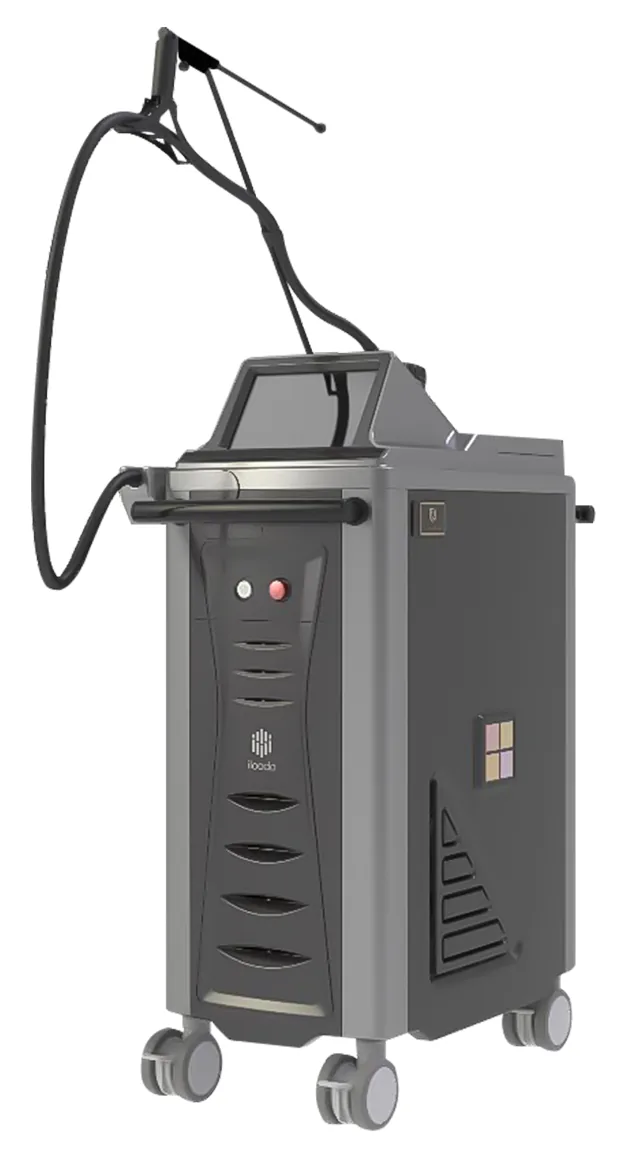
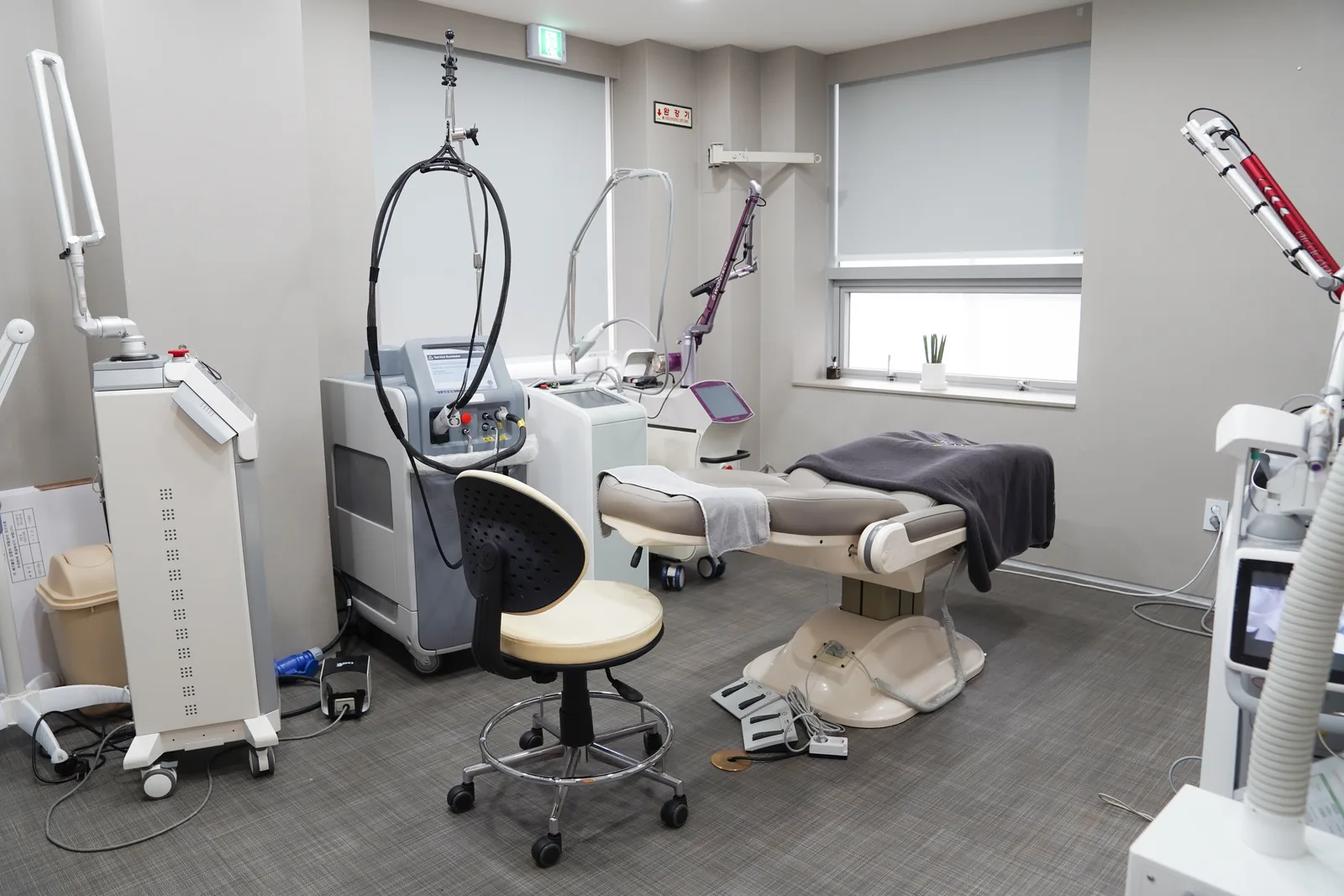
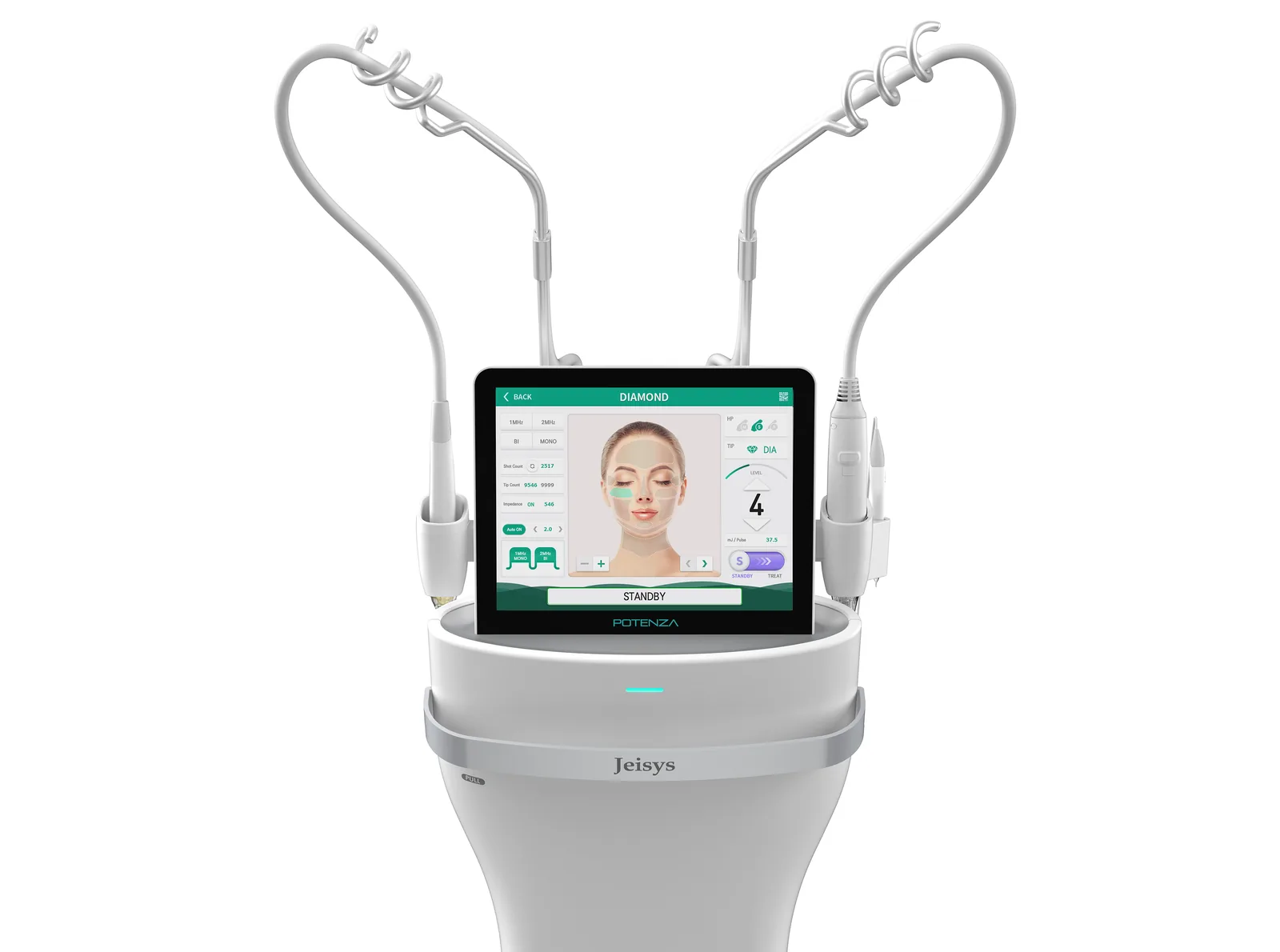
Needles first, energy second. Potenza carries radiofrequency down through the needle tips and releases it in the dermis, where scar walls and coarse texture sit, and depth and energy are set zone by zone, so a thin temple never receives the setting written for a thick cheek.
CureJet is a needle-free jet injector that works into the tissue around a scar without passing a needle through it. Single stubborn lesions are handled on their own, at ₩10,000 (≈ $5) each.
Dear Clinic runs this layered thinking as a named signature programme, D-ARC Solution — Decreasing Acnes Solution — which addresses active acne and the scarring it leaves inside one structured protocol instead of as unrelated visits. Its components are the ones described on this page plus a pigment laser step for post-inflammatory marks, a fractional laser step for texture at spaced intervals, and Juvelook where thinned tissue around a scar needs supporting. The programme has its own guide, D-ARC Solution, with the core price; your director will tell you at consultation whether the programme or a shorter individual plan suits your face.
Erasure is not on offer. Published research on atrophic acne scars reports degrees of improvement; disappearance is not among the outcomes any of it describes. Deep ice-pick scars respond partially and slowly, and a face that begins with severe scarring will still read as improved when the sequence ends. No one can tell you in advance how far your own scars will travel. What a plan can give you is an estimate of how much change is available to your skin, together with the review points at which the two of us check whether that estimate is holding up.

Subcision, RF microneedling, jet injection, resurfacing lasers, pigment lasers and boosters are all on site. A plan can therefore use one of the four steps priced on this page or all four, and a single subcision session at ₩500,000 (≈ $355) with nothing else booked is a complete plan when that is what the map shows. Which steps your face needs is a diagnostic finding, written down before any of them is quoted.
The map comes first. Scar type, distribution and skin thickness are read from your EVE Muse 3D scan and its five-light-source AI analysis before a single setting is chosen, and that reading is what decides which zones need a release step, which need dermal rebuilding and which need nothing at all this session.
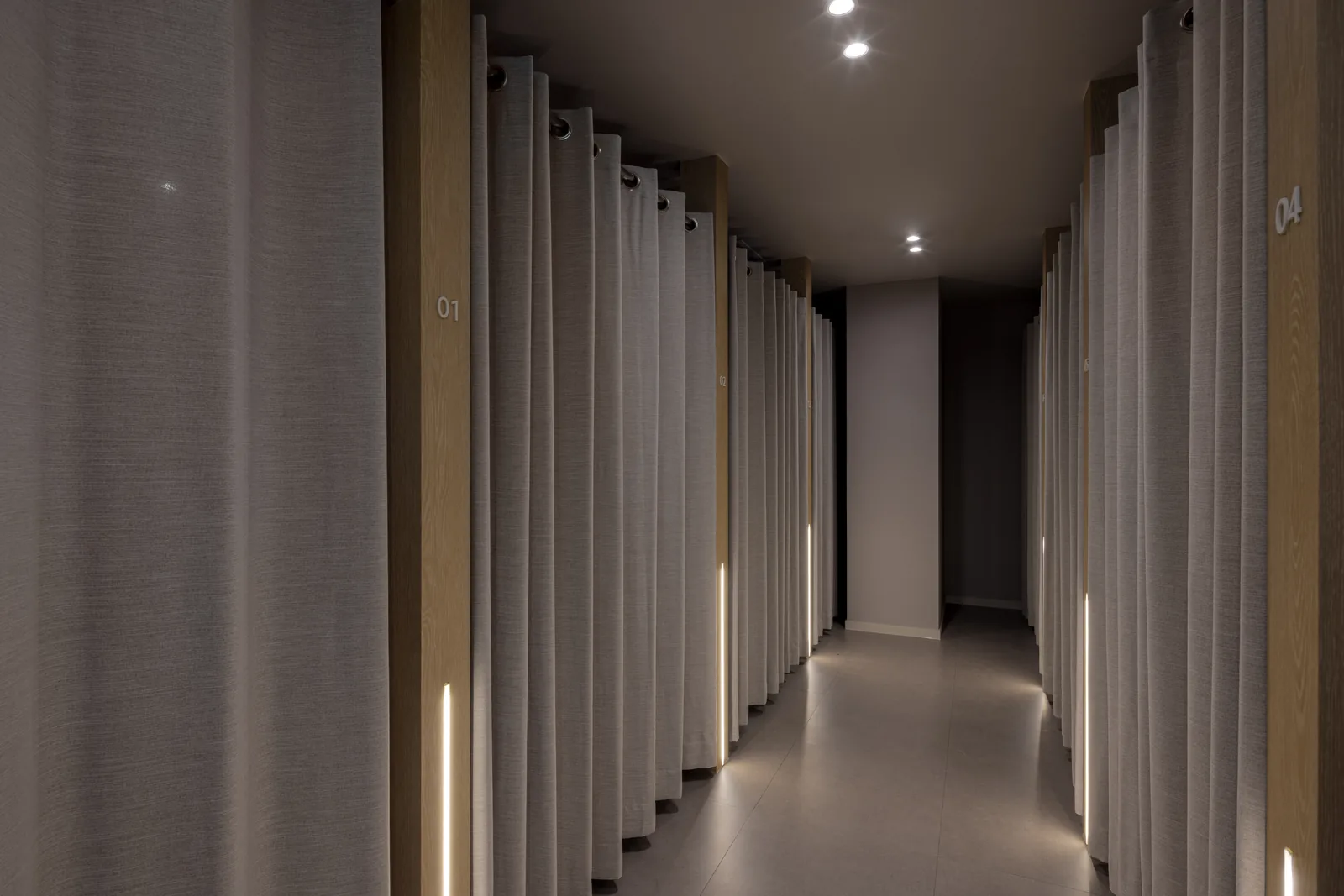
Subcision and per-lesion laser work reward a steady, experienced hand more than almost anything else in aesthetic medicine. Your treatment is performed by our directors, who adjust as they go instead of running one fixed pass over the whole face.

With a lifting treatment, a slightly generous plan mostly costs money. With scars, an over-aggressive plan costs recovery time and can leave the skin more reactive than it started, with lingering redness or a patch of altered pigment where the energy was heaviest. So depth and fibrosis are read before anything is switched on, and the sequence is reviewed between sessions instead of being sold as a fixed course of ten on the first visit. If your scarring is mild enough that two carefully placed sessions will do the work, that is what you are told at diagnosis.
| Step | What it is for | Price |
|---|---|---|
| Subcision | Deep layer — releasing rolling and tethered scars from underneath | ₩500,000 (≈ $355) |
| Potenza, standard tip | Mid layer — RF microneedling for scar walls and coarse texture | ₩250,000 (≈ $180) |
| CureJet, full face | Needle-free jet injection across the face, including deep lesions | ₩500,000 (≈ $355) |
| CO2 / Erbium laser | Per individual lesion, where one spot needs focused work | ₩10,000 (≈ $5) |
| Every plan | EVE Muse 3D + AI diagnosis · doctor consultation · aftercare guidance | included |
Published rates as of September 2026. Scar work is normally a sequence spread across several visits, so your director estimates at diagnosis how many sessions your pattern is likely to need and what a realistic result looks like, instead of pre-selling a package on day one. The D-ARC Solution programme is quoted from its component steps until a programme rate is confirmed. Each of the four steps above is listed on the full price list, and a subcision slot can be booked on Sundays and public holidays like any other day.
If your acne is still actively inflamed, we treat that first: scar work on moving inflammation spends sessions on a target that is still changing. Where the complaint turns out to be flat red or brown marks, we do not recommend this sequence at all, and a lighter pigment-focused plan costs less. The risks worth naming before you decide are bruising for about a week after subcision, redness and pinpoint marks after microneedling, small crusts where a lesion was treated individually, and, uncommonly, a patch of skin that stays lighter or darker for months — sun on healing skin is the usual reason. Individual results vary, build over months, and are reviewed with you as the sequence progresses.
Unretouched cases treated at Dear Clinic, shown with consent.
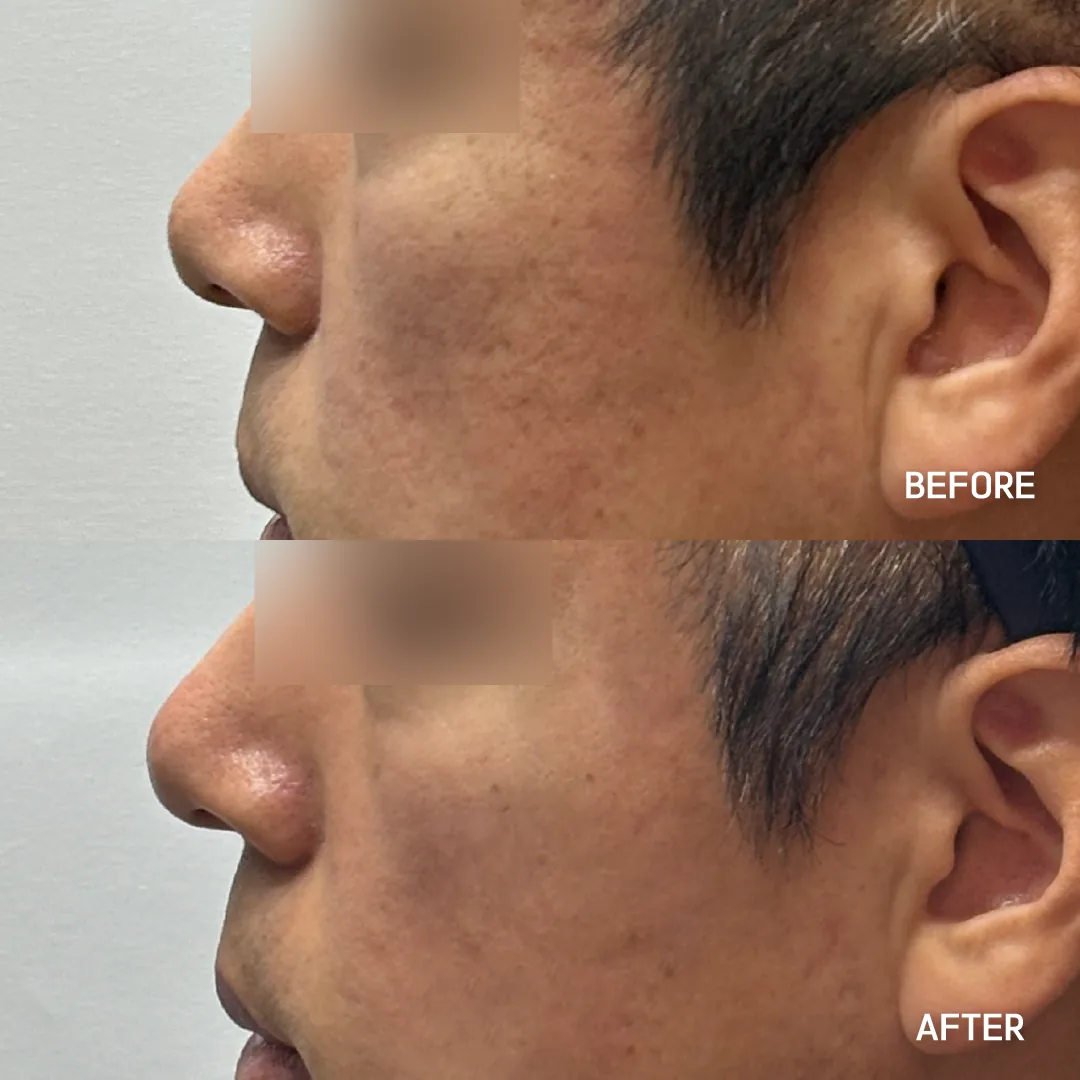
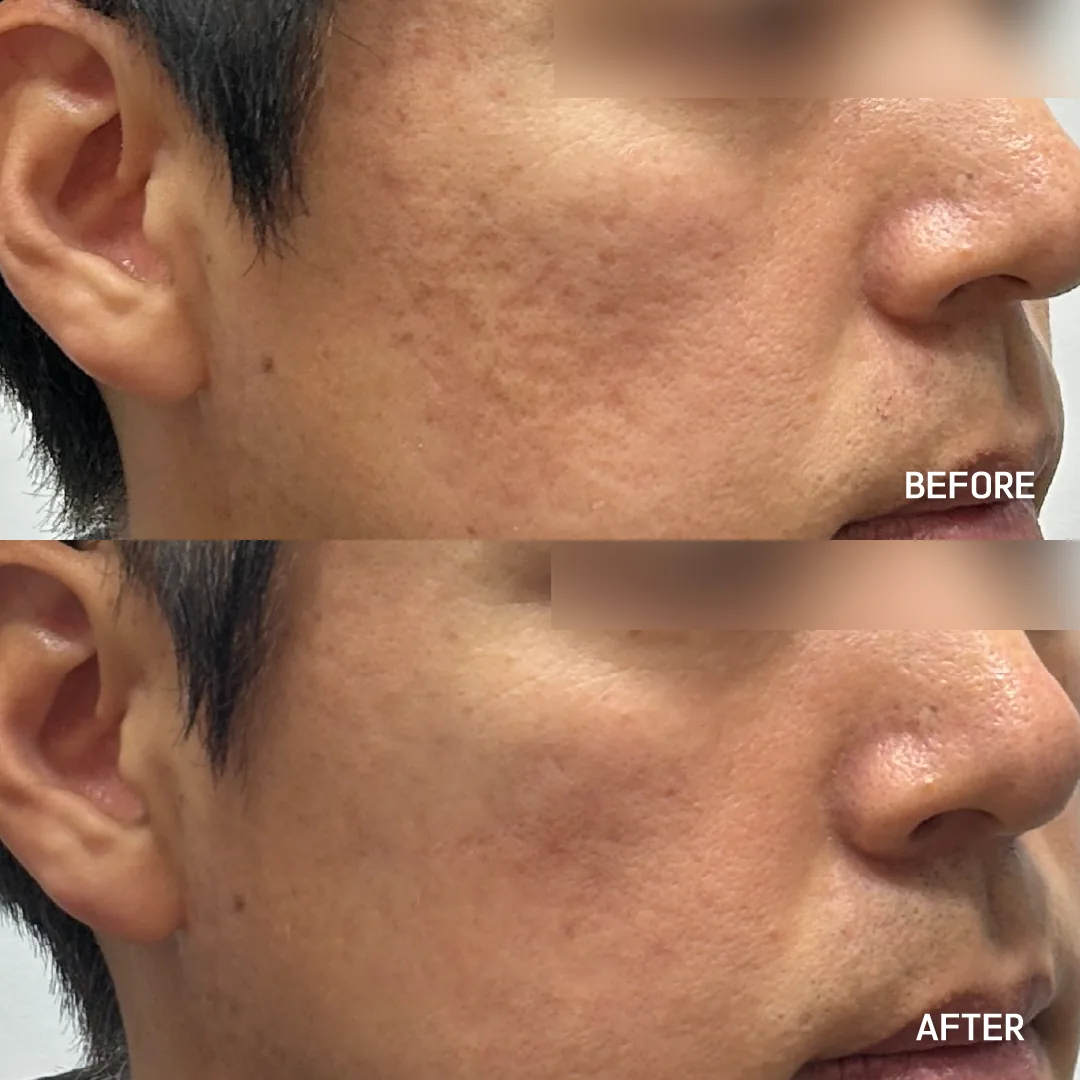
All photos are unretouched cases of the same person under the same conditions, treated at Dear Clinic. Each photo shows only the treatment it is labelled with. Individual results may vary.
Director-performed treatment is a Dear promise — your procedure is planned and performed by the doctors below.
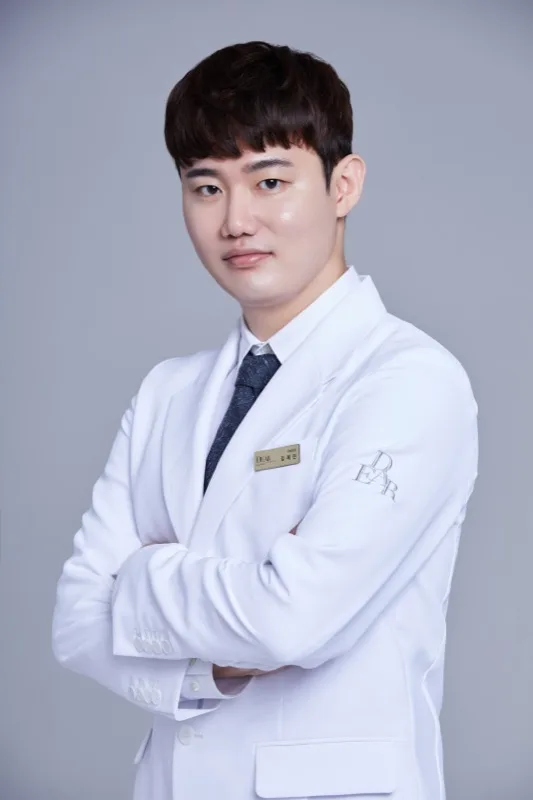

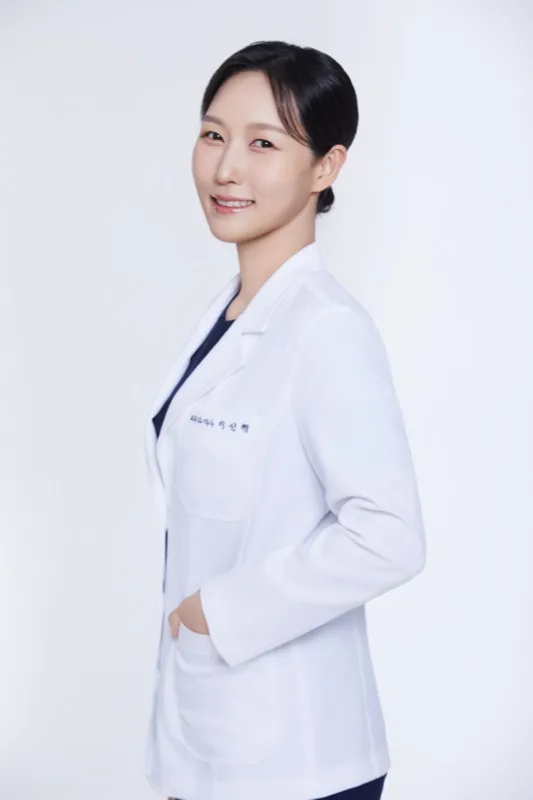
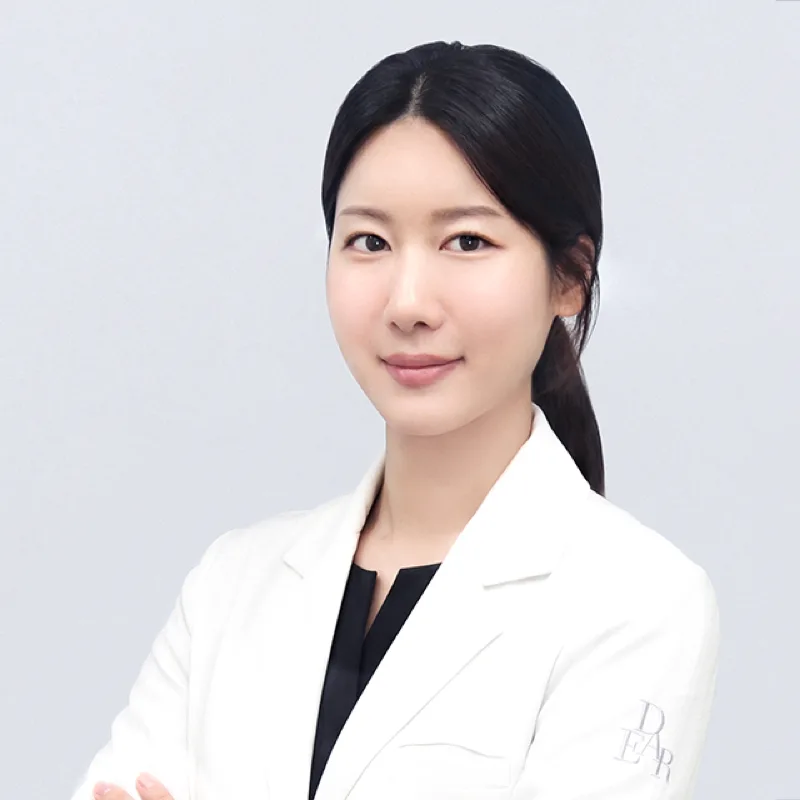
Real verified reviews from our Google Business Profile.
4.9★★★★★ 293 Google ReviewsThe clinic was very professional from start to finish. Doctor Jung was excellent and gentle with the treatment. I felt well looked after and everyone was outstanding. Happy with my service!
I've visited clinic for LDM procedure. I don't speak Korean, so there was an interpreter who assisted me while consulting. The staff was very attentive, they asked me every time before applying products/covering my face during the procedure and it went smoothly. Planning to visit the clini…
Had a great experience here as a foreigner! The doctors and staff were knowledgeable, friendly, and not pushy. They made recommendations in my consultation and were happy to work within my budget.
I did a hydrofacial, white/black head removal, and 1 day lasers. Really kind staff and reasonable prices. The only thing I would advise is that your first consultation is with a salesperson and you don’t see the doctor until after you decide what you want and after you pay.
Wonderful experience — friendly, professional staff, clear consultation with a thorough skin analysis, and visible results after my treatment; the clinic is clean and communicates aftercare clearly, highly recommended
Your questions, answered in English within one business day.
The dermal rebuilding step in this protocol is the most heavily documented part of it. Fractional radiofrequency delivered through microneedles has been examined for atrophic acne scars in randomised split-face designs, against fractional CO2 lasers, against micro-plasma radiofrequency, and pooled in meta-analysis; separate work looks at pore size as an outcome. Several of these studies were carried out in Asian patients, which matters when planning depth and energy for the skin types we treat every day in Cheongdam.
All references below carry verifiable DOIs from indexed journals. They report degrees of improvement across treatment courses, not clearance, and they inform how we pace a sequence; they do not predict what any one face will achieve.
References are provided for information — outcomes vary by individual and are assessed at your diagnosis.