

★★★★★
The clinic was very professional from start to finish. Doctor Jung was excellent and gentle with the treatment. I felt well looked after and everyone was outstanding. Happy with my service!
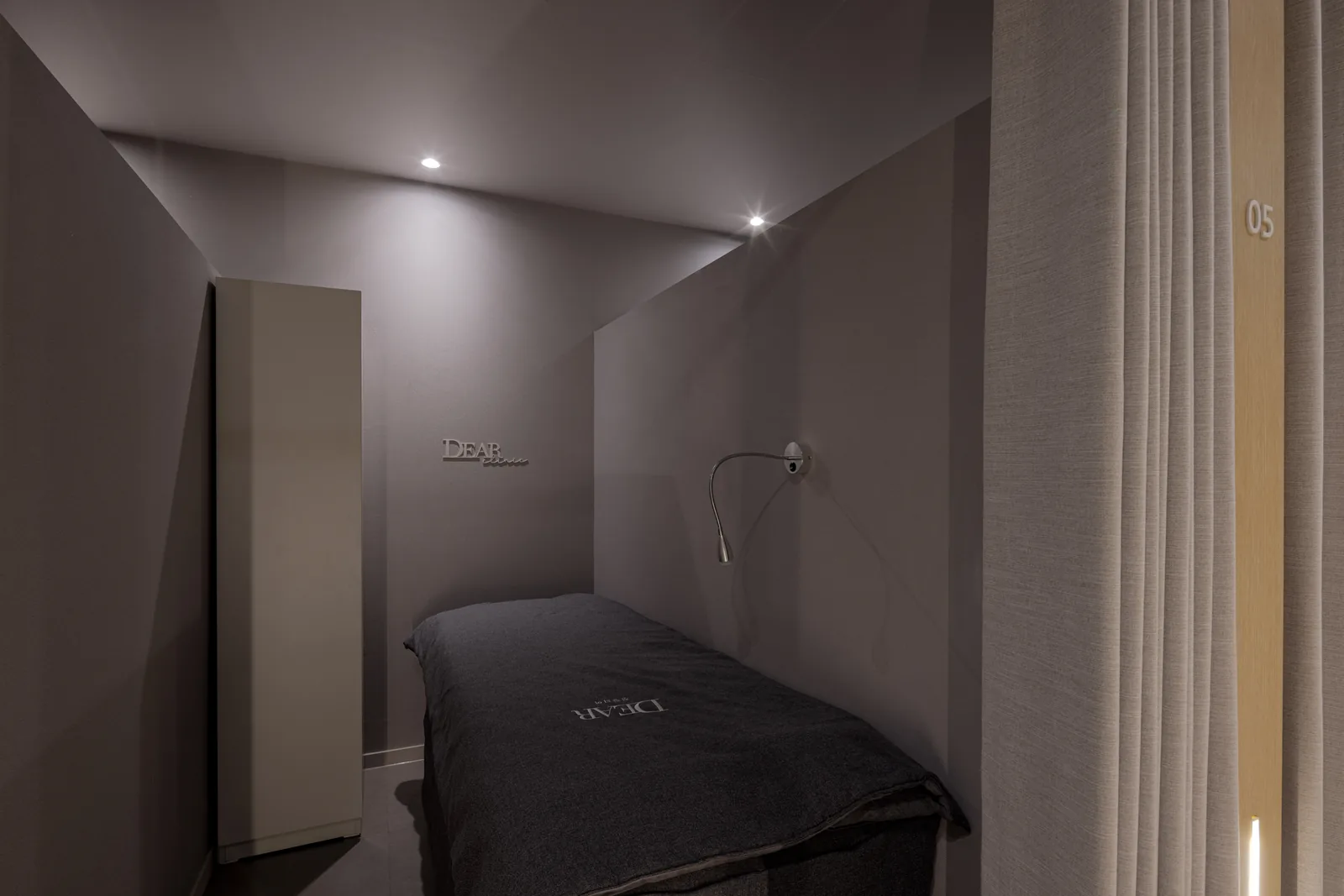
There is no single figure, because acne scar work is not a single treatment. Three published lines are used here and each one asks something different of your calendar. What follows is the shape of the recovery for each, and who sets your own window.
Any number quoted before your skin has been looked at is an average taken from other people's faces. Depth of treatment, how many points were worked, where they sit, how thick your skin is in that zone and how you heal all move the answer, and so does combining two steps in one appointment.
What can be described accurately in advance is the shape of the recovery: which phase you are in, what each phase looks like, what it stops you doing, and which signs mean you should pick up the phone. That shape is reliable even when the exact length is not, and it is what the sections below set out. The treatment sequence itself is on the acne scar treatment page.
One practical note. Your recovery window is agreed with your director at the diagnosis visit and written into the plan alongside the treatment, so a trip, a wedding or a return flight becomes part of the clinical decision.
The phases are the same whichever line you were treated on. What changes between lines is how pronounced each phase is and how long you sit in it.
Heat, tightness and a strong flush across whatever was treated, sometimes with pinpoint swelling around individual points. This is the body responding to a controlled injury, and it is expected. Cooling and a bland occlusive are what the skin wants; active skincare is not.
Crusting over treated points, a bruise where a needle was passed beneath a scar, puffiness on waking, or a faint grid of marks after needle radiofrequency. This is the stretch that decides whether you are comfortable at work or in photographs, and it is the part your director gives you a window for.
Crusts have released, bruising has turned and faded, and what remains is pinkness, dryness and skin that sunburns more easily than usual. Makeup generally becomes possible again during this phase once your director has confirmed the surface is intact. Sun discipline matters more here than at any other point.
Collagen continues to be laid down long after your face looks normal to everyone else, which is why the scar you photograph on the day the redness clears is not the final reading. It is also why visits are spaced instead of stacked, and why the map is re-captured before the next one is booked.
Two people treated on the same line on the same afternoon move through these phases at different speeds. Thicker skin, more points worked, a second step in the same sitting and sun exposure during the settling phase all stretch the middle two. That is variation, and it is planned for instead of promised against.
Three published lines carry the scar work in this building. The recovery attached to each is different in kind, which is why the question has no single answer.
| Published line | What you see afterwards | What it asks of your calendar | Listed rate |
|---|---|---|---|
| Focused carbon dioxide or erbium, per lesion | A pinpoint crust at each treated scar, darkening before it lifts; the untreated skin between them is unaffected | Concealable in small numbers; a long list is the version that wants a quiet stretch | ₩10,000 (≈ $5) |
| Potenza RF microneedling, standard tip | Warmth and an even flush, occasional faint gridding, and dryness as the surface recovers | The mildest of the three in visible terms, though the flush is unmistakable on the day | ₩250,000 (≈ $180) |
| Subcision | Bruising and tenderness over the released zone, with swelling that is most obvious on waking | The one that wants a clear diary; the bruise is the schedule and it cannot be hurried | ₩500,000 (≈ $355) |
Figures current for September 2026 in KRW, with a USD equivalent shown for orientation only; residents and visitors are given the identical line. A recovery window is not charged for and does not change the rate you were quoted. What a diagnosis visit and any later review cost is confirmed when you book. Everything published sits on the price list.
Lukewarm water, a gentle cleanser, a plain moisturiser applied generously, and broad-spectrum sunscreen every morning once your director confirms the surface is closed. A hat and shade are doing real work while the skin is still photosensitive.
Saunas, hot yoga, long hot showers, swimming pools and hard training all raise heat and sweat into a recovering field. Scrubs, acids, retinoids and any active you have not cleared with your director wait for the window you were given.
Every crust over a treated point releases on its own timetable. Picking one is the commonest route from a temporary mark to a lasting one, and it is the single avoidable thing on this page. Ask before covering a crusted point with makeup.
Sun is the recurring theme because healing skin is unusually vulnerable to it, and a tone change picked up during a recovery outlasts the treatment that caused it. Where a plan runs through a summer or a holiday, that is discussed at the scan and the visit is scheduled around it, or the plan is paused. Where active breakouts are still arriving, they are settled first on the Agnes route, because a field that keeps flaring does not give a clean recovery to read.
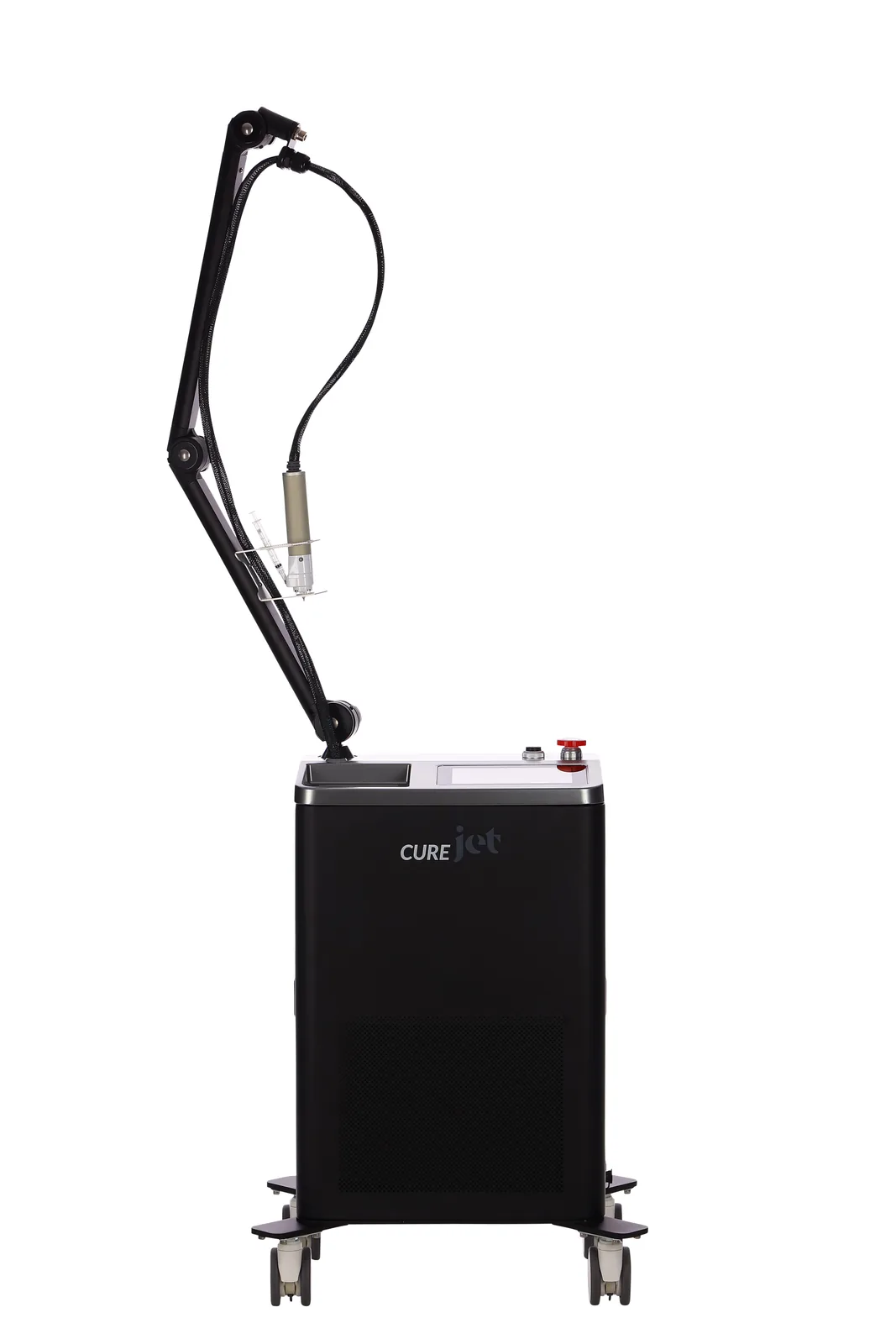
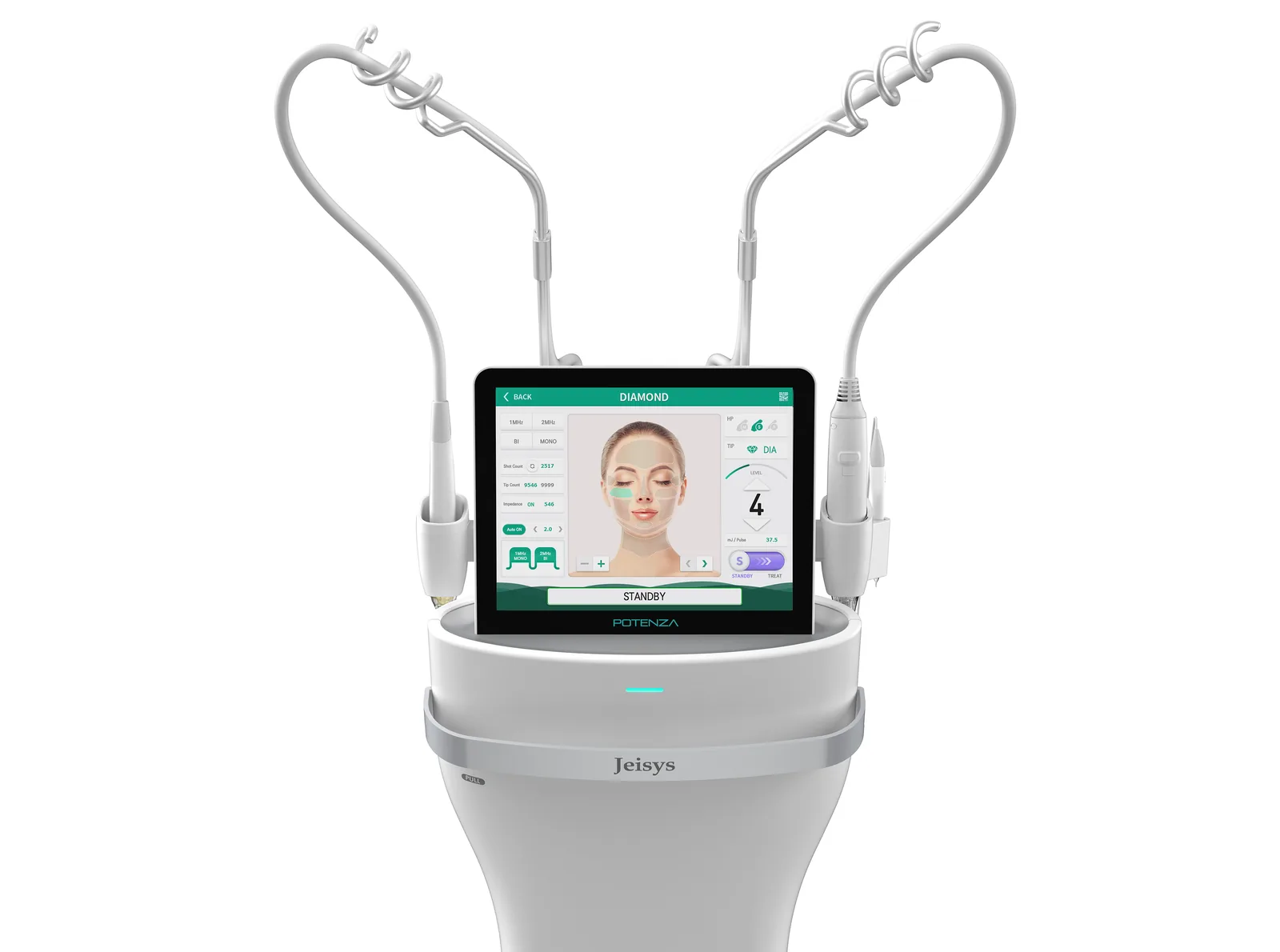
The rooms run 365 days a year, so a review can usually be arranged on the day you call, including at weekends and on holidays. If you have already flown home, send photographs in daylight with the form and we will answer in English as soon as possible.
Because release, needle energy and per-lesion work are all published here, a plan can be built around the recovery you can actually absorb this month. The gentlest line is a legitimate answer, and it is quoted as one.
EVE Muse 3D imaging under five light sources with AI analysis records scar pattern, distribution and skin thickness by zone. That reading sets both the treatment and the window you are given for it, before anything is booked.
Sessions are director-performed, and the same director reads your recovery at the follow-up. Depth is reduced, a zone is skipped or the next visit is pushed back when the skin has not finished settling from the last one.
We say no to more of these appointments than people expect, and the commonest reason is a diary that cannot hold the window. Where someone wants a release step the week of a wedding, we do not recommend it and offer the gentler line or a later date instead. The named risks across these lines are redness and swelling, bruising after a release step, crusting over individually worked points, infection if a disturbed crust is neglected, and, less often, a patch that stays lighter or darker for months, with sun on healing skin the usual cause. What is done for comfort during a session is confirmed with you at consultation. Recovery and results vary between individuals.

Visitors ask this more than anything else on the subject. The order of steps is flexible while the healing is not: a release step late in a stay with a flight straight after it is a poor combination, while the same step with a quiet stretch after it is straightforward. Say how long you are in the country on the form, and the plan is built backwards from your departure.
Where a trip is short, the gentler line is often the sensible purchase, with the heavier steps kept for a return visit or handed on to your own doctor at home with a written summary of what was done. Nothing here is sold as a package that has to be finished before you leave, and a plan can be paused at any point between visits.
Cabin air is dry and long flights are dehydrating, so a recovering face travels better with a plain occlusive, no makeup over anything still crusted, and sunscreen for the walk through the terminal. If you are flying soon after a visit, say so before it is booked, because it may change which line is used that day.
Director-performed treatment is a Dear promise — your procedure is planned and performed by the doctors below.





Real verified reviews from our Google Business Profile.
4.9★★★★★ 310 Google ReviewsThe clinic was very professional from start to finish. Doctor Jung was excellent and gentle with the treatment. I felt well looked after and everyone was outstanding. Happy with my service!
I've visited clinic for LDM procedure. I don't speak Korean, so there was an interpreter who assisted me while consulting. The staff was very attentive, they asked me every time before applying products/covering my face during the procedure and it went smoothly. Planning to visit the clini…
All the staff are kind, the doctor is professional. They recommended us the treatment that fit us best and last the longest. A very nice experience overall.
I did a hydrofacial, white/black head removal, and 1 day lasers. Really kind staff and reasonable prices. The only thing I would advise is that your first consultation is with a salesperson and you don’t see the doctor until after you decide what you want and after you pay.
Had a great experience here as a foreigner! The doctors and staff were knowledgeable, friendly, and not pushy. They made recommendations in my consultation and were happy to work within my budget.
Your questions, answered in English as soon as possible.
The claim that recovery differs by line rests on how these treatments have been studied. Needle-delivered radiofrequency has been compared against fractional carbon dioxide in a randomised single-treatment split-face design, set against micro-plasma radiofrequency in a further split-face study, trialled on facial atrophic scarring in Asian patients, and pooled in a meta-analysis across acne and acne scarring. Those designs report outcomes over courses of treatment with intervals between visits, which is the same reason your own visits are spaced.
Each reference below carries a resolvable identifier from an indexed journal. They are listed so the reasoning behind a spaced plan can be read at source, and none of them is offered here as a promise about your own timeline.
References are provided for information — outcomes vary by individual and are assessed at your diagnosis.