Home
Doctors Pricing Cost FAQ Book a Consultation
ENES
Two absorbable lifting threads with their cannulas, the kind of line quoted individually on the Dear Clinic thread card
Dear Clinic · Procedure Guide · Thread Lifting
A first-timer’s walkthrough · Cheongdam, Gangnam, Seoul

Thread Lift Guide for Cheongdam, Gangnam, Seoul

A thread lift is the only mechanical option on a floor otherwise full of energy platforms. This guide covers what the two thread types on our card actually do, who the procedure suits, how a visit runs from first capture to last check, and the cases where an energy device is the wiser first purchase.

Two thread types, priced per line Count planned from a 3D capture Open 365 days
Ask If Threads Suit You Walk Through a Visit
Start Here

What you are buying when you buy a thread

One absorbable suture, passed under the skin along a direction your director has drawn, gripping descended tissue and holding it further up that line. Threads are quoted individually, so a thread plan is a count of lines and the directions they pull in. Nothing else about the procedure matters as much as those directions.

That makes thread lifting the odd one out in this building. Every other lifting option here delivers heat and asks your own tissue to contract and rebuild over the following weeks. A thread moves tissue on the day, mechanically, and then dissolves along its path while collagen forms where it lay. Two effects on two timescales, from one insertion.

This page is written for someone deciding whether to book at all. If you already know threads are what you want, the thread lift treatment page covers the procedure itself, and the jawline filler page covers the volume-based alternative for a border that has softened.
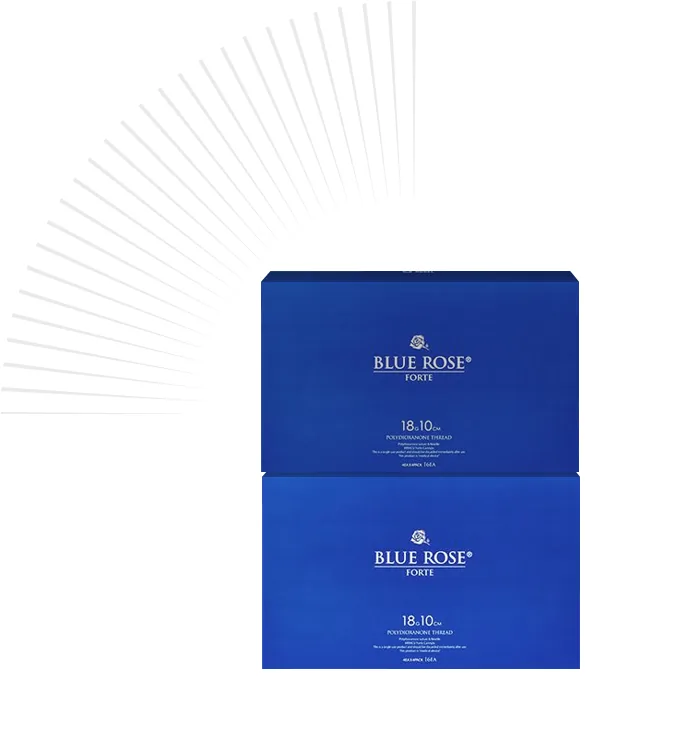
Sealed polydioxanone lifting thread boxes of the type stocked at Dear Clinic, sold and counted one line at a time
Sealed and counted one line at a time. A thread quote is arithmetic you can check before anything is opened.
The Two Lines On The Card

Barbed threads and cone threads grip in different ways

Both are absorbable and both are placed along a vector. What separates them is the mechanism that catches the tissue once the line is in.

TYPE 01 — PDO / PCL BARBED

Many small catches along one line

The thread carries barbs cut or moulded along its length, and each barb takes a small share of the load. Because the grip is distributed, the pull reads softly and the line can follow the curve of a face. This is the type most plans here are built from, quoted at ₩100,000 (≈ $70) per thread, so the count is what moves the total.

TYPE 02 — SILHOUETTE SOFT CONES

Fewer anchor points, each holding more

Silhouette Soft carries cones instead of barbs, with the load concentrated at a smaller number of fixation points and the suture tensioned between them. It is chosen where firmer fixation is wanted for the vector being drawn, and is quoted at ₩400,000 (≈ $285) per thread.

Per-thread pricing has a useful side effect: it makes the plan legible. A number of lines and a rate per line is a total you can add up yourself at the consultation, and every additional thread is a visible line on the quote instead of a discovery at the desk afterwards.
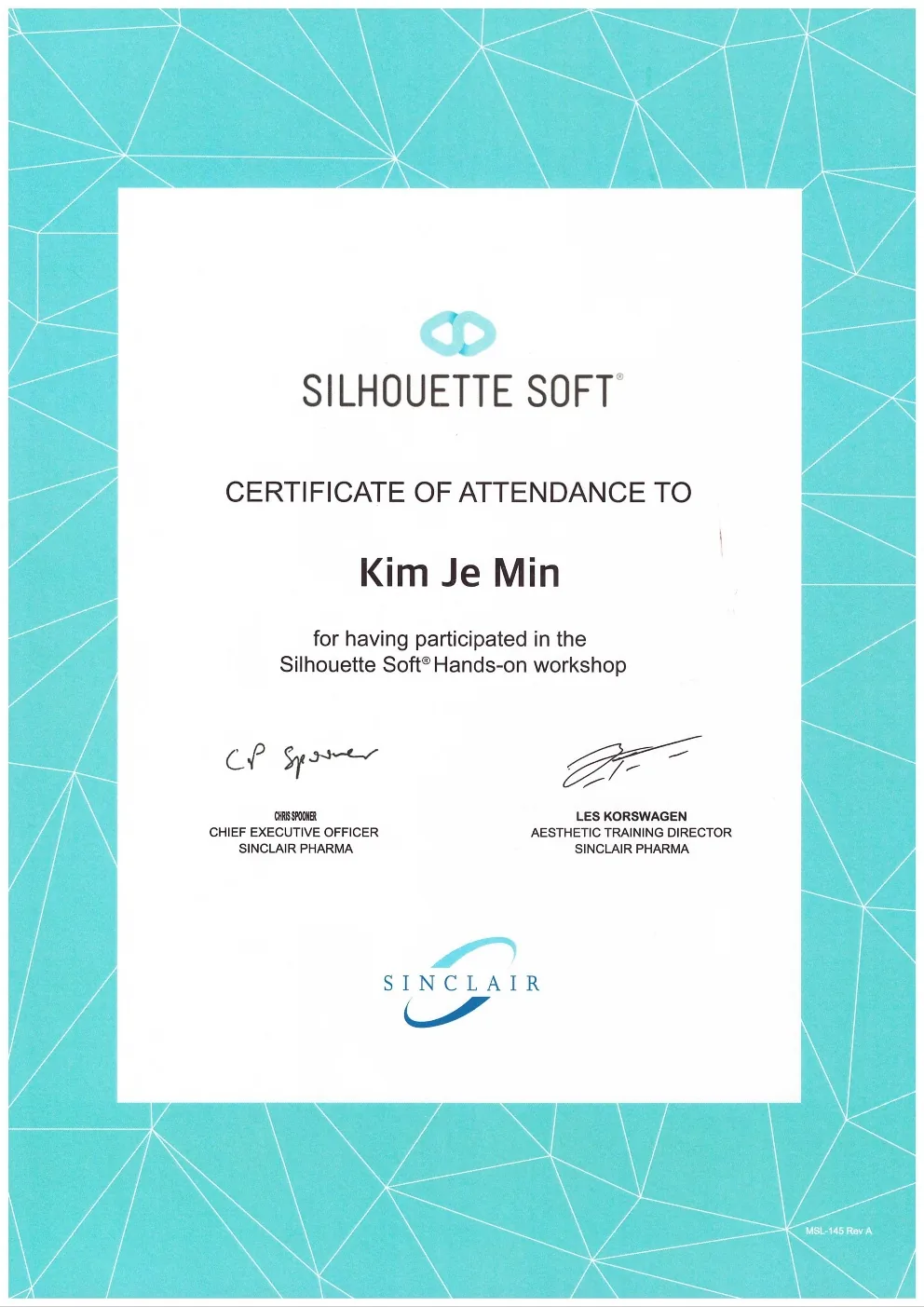
Silhouette Soft hands-on workshop certificate of attendance issued by Sinclair, held at Dear Clinic
Hands-on workshop certificate of attendance for the cone thread line, issued by Sinclair.
Suitability

The face a thread plan is written for, and the face it is not

One question sorts most consultations: has tissue moved, or has tissue simply loosened where it is.

Something has travelled downward. A lower-face outline that used to be a border and is now a slope. Cheek fullness sitting lower than it did. A fold that has deepened because the tissue above it came down onto it. Movement is what a thread can undo, because a thread is the only tool here that physically relocates anything.
You want the change to exist on the day. Energy treatments accumulate over weeks. A thread produces its mechanical change as it is tensioned, which matters when there is a date in the diary and not a whole season.
There is tissue firm enough to hold. A vector needs somewhere to anchor above and something with substance to catch below. Very thin or very mobile tissue holds a line less reliably, and that changes the thread type, the depth, or the answer.
Surface slackness with nothing displaced. Skin that has lost spring while every landmark is still where it belongs has no vector to pull. Threads would be solving a problem the face does not have.
A hollow that looks like sagging. Volume that has emptied reads as descent in a mirror and answers to filler. Pulling on a deflated area tightens it without refilling it, which is not the result anyone came in for.
The Honest Detour

When an energy platform is the better first purchase

Seven energy platforms are installed alongside the thread tray on these two floors, which is the reason this section can exist without costing anybody a sale. In several common situations an energy session is simply the more sensible first step, and you will be told so in the room.

Slackness is spread evenly and no landmark has moved. A broad heated field, on a platform such as Thermage FLX, addresses a distributed finding better than a line pulled in one direction.
The deep support layer is what has loosened. Focused ultrasound on Ultherapy Prime reaches that layer without entry points, and on the imaging-equipped platform your director can see the layer being treated.
Entry points, bruising and a week of unusual sensation are things you would rather avoid this month. That is a legitimate reason to start with energy, and it is the reason a good many consultations end with an energy quote.
The budget stretches to one thing only, and the finding is early. The lifting category page lists every platform in the building with its published rate, and the entry tiers are considerably below a multi-thread plan.

The reverse also happens. Where energy has been run for a year and an outline has still come down, the reading usually says the problem was never heat-shaped, and a vector is what was missing.

The Visit

A thread appointment at Dear, from capture to final check

Three stages, and the first one decides everything the other two do.

STAGE 01 — BEFORE

Capture, vectors, and a count you approve

EVE Muse images your face in 3D under five light sources with AI analysis. Your director reads where descent has occurred and how thick the tissue is, draws the direction each line should pull, and from that map comes a thread type and a number. The count and its total are agreed before anything is opened. Tell us about blood-thinning medication, bleeding disorders, previous threads or permanent material in the same area, autoimmune conditions, and pregnancy or breastfeeding.

STAGE 02 — ON THE DAY

Marking, passes, and a check between each one

The vectors are marked on your face while you sit upright, because gravity is the whole subject. Entry points are prepared, and each line is passed along its planned path and tensioned so the tissue holds its new position. Symmetry is checked side against side between passes instead of at the end. What is used to keep the passes comfortable is confirmed at your consultation.

STAGE 03 — THE FIRST WEEKS

Settling, and the review that reads it

You leave with the mechanical change already present and with swelling sitting on top of it, which is why the face in the mirror that evening is not the result. A pulling sensation along the lines is normal early on. Your review is booked at the appointment, and the person who drew the vectors is the one who reads how they settled.

The whole visit is shorter than most people expect, and the part that takes the longest is the part before any thread is touched. A vector map drawn carelessly cannot be rescued by a skilful pass afterwards.

Before & After

One audited thread case, published for what a vector does

An unretouched case treated at Dear Clinic and shown with consent. Individual results vary.
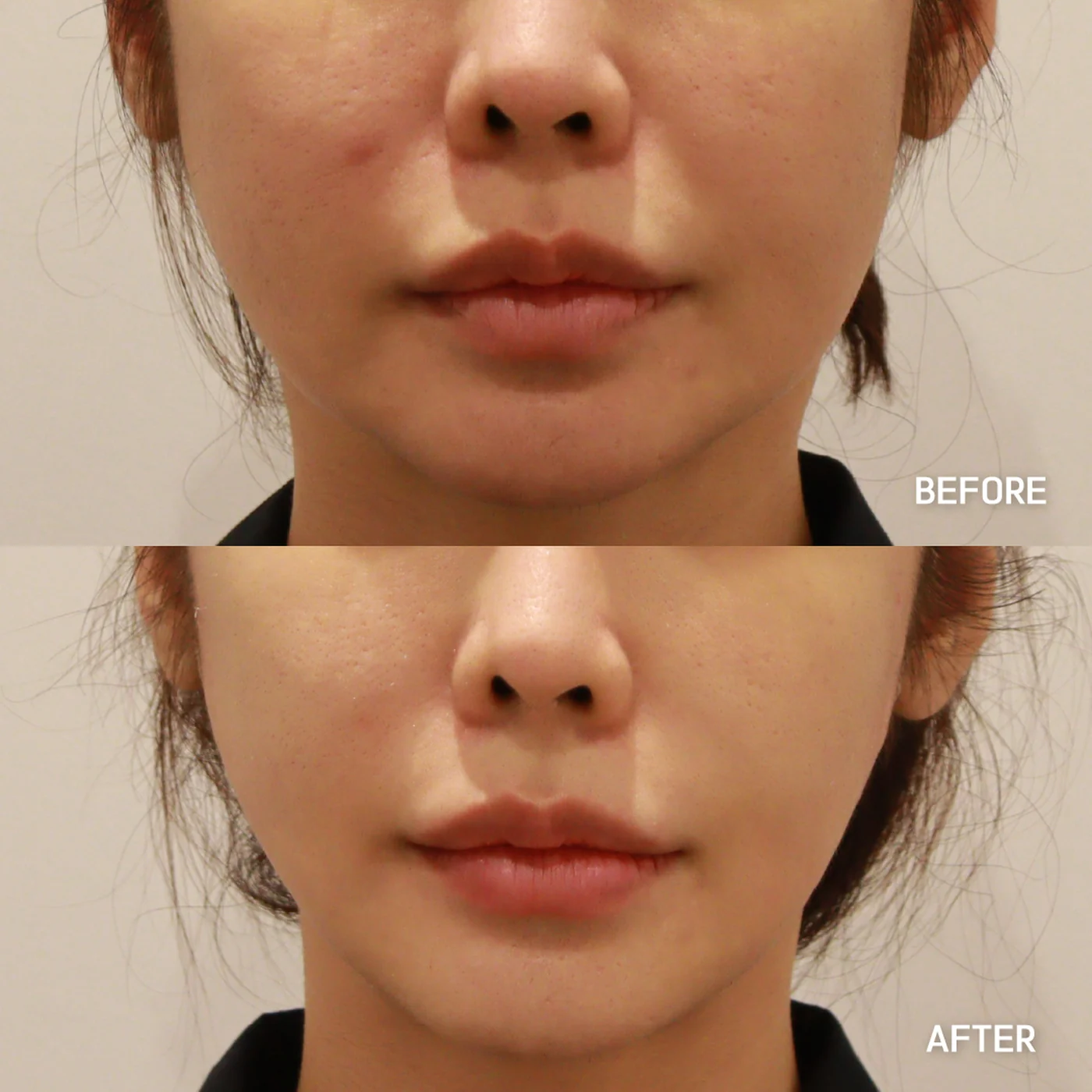
Thread lift case at Dear Clinic showing the same patient before and after absorbable lifting threads were placed along a planned vector
Thread lift · lower face · same person under the same conditions, before and after lines were placed and tensioned. Read the outline, which is what a vector moves. Individual results may vary.

All photos are unretouched before/after cases of the same person under the same conditions, treated at Dear Clinic and shown with consent. Individual results may vary; no specific outcome is implied or promised.

Dear, Knowhow

Why a thread count here is argued for before it is charged

01 — DIAGNOSIS FIRST

The capture comes before the thread count

Descent pattern, skin thickness and face shape are read from the EVE Muse 3D capture and its five light sources before a line is chosen. The map produces the count, and the count produces the quote. Running that order backwards is how people end up buying threads by the packet.

02 — THE FULL ARSENAL

One thread tray beside seven energy platforms

Because every lifting family is installed here, recommending against threads costs this clinic nothing. Where the finding is surface laxity with nothing displaced, we do not recommend a thread plan, and the energy alternative can be quoted at the same sitting.

03 — DIRECTOR-PERFORMED

Angle, depth and symmetry on every pass

Those three variables decide whether a line lifts cleanly, dimples the skin above it, or sits palpable under the finger. Every pass is director-performed and checked side against side before the next line goes in.
In the clinic

The devices and hands behind this treatment

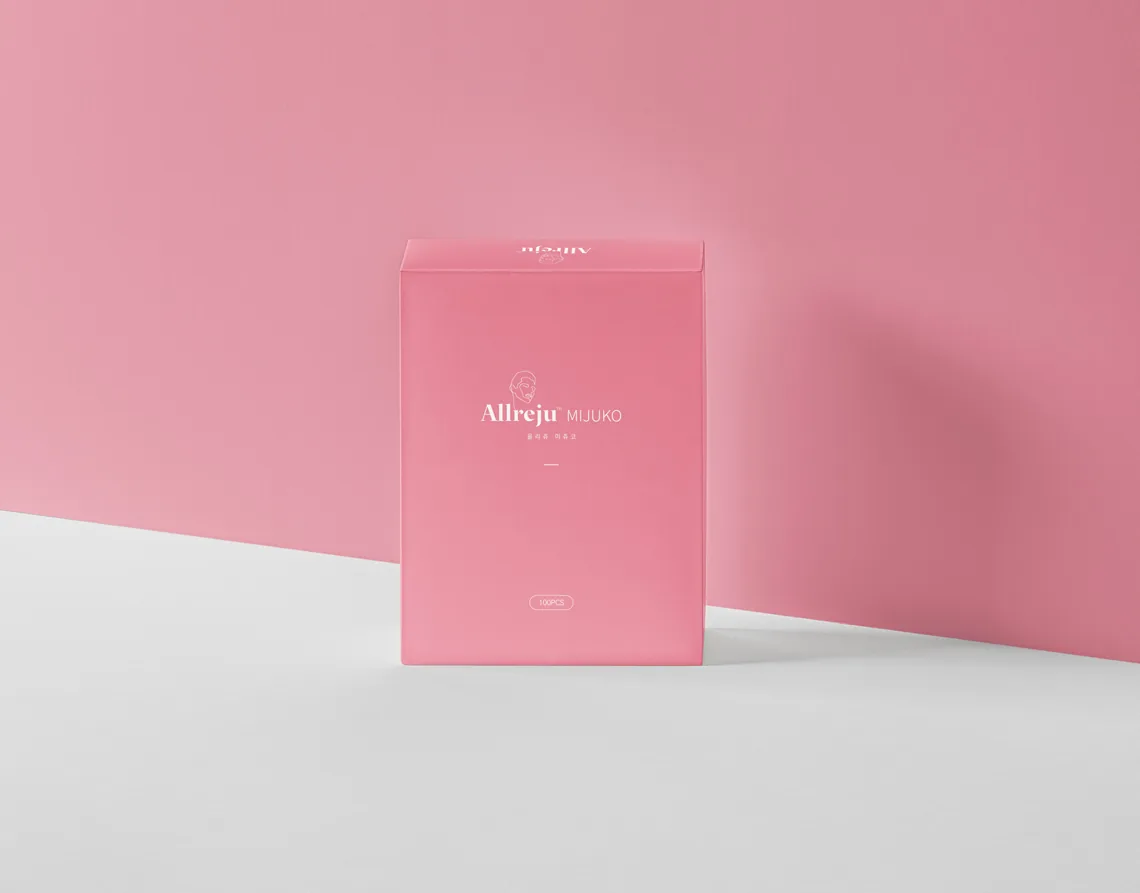
Allreju Mijuko thread product box on a pink background
Barbed lines, opened only against a count you have already approved
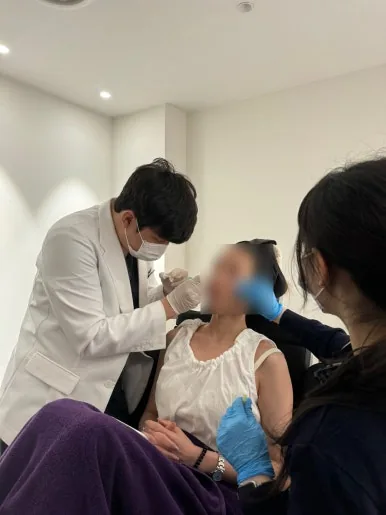
Doctor working along the lower face of a patient during a treatment at Dear Clinic Cheongdam
Each pass is run by the director who drew the vector map
Pricing

What a thread plan is listed at in Cheongdam

Threads are quoted by the line. A barbed PDO or PCL thread is ₩100,000 (≈ $70) each and a Silhouette Soft cone thread is ₩400,000 (≈ $285) each, so your total is the rate multiplied by the count your capture produced. No package is sold in advance of a face being read, and the same card applies whichever passport is on the file.
Thread typeWhat it is used forPrice per thread
PDO / PCL barbed threadDistributed grip along the line; the type most vector plans here are built from₩100,000 (≈ $70)
Silhouette Soft cone threadFewer fixation points carrying more load, where firmer fixation suits the vector₩400,000 (≈ $285)

Published rates in KRW with a reference USD figure beside them. Your count is agreed at the consultation and does not change once the procedure has begun. Every energy platform in the building carries its own published rate on the price list, so a thread quote can be compared against an energy quote in the same conversation.

Caution

Living with new threads, and what can go wrong with them

Threads are a minor procedure with a real recovery, and the aftercare is not optional advice.

What is expected. Swelling, bruising and a tight or pulling sensation along the treated lines in the first days, easing as everything settles. Tenderness at the entry points is ordinary.
Let the lines anchor. For roughly the first fortnight, keep away from wide mouth movements, heavy or chewy food, facial massage and any treatment that presses on the area. Sleep on your back and avoid leaning on the treated side.
Leave the heat alone. Alcohol, saunas and hard exercise are best postponed for several days while swelling resolves.
The uncommon problems. A dimple where the skin has been caught too superficially, a thread end that can be felt, visible asymmetry once the swelling has gone, and infection at an entry point. Most of these are correctable, and an infection needs to be seen quickly.
Who we turn away. Active infection or inflamed skin at the entry points postpones the appointment. Pregnancy and breastfeeding change what is appropriate. Where the reading finds surface laxity with nothing displaced, or emptied volume, we do not recommend a thread plan and say which category the answer sits in.
Call, do not wait it out. Spreading redness, increasing pain, a dimple that is not settling or an asymmetry that persists is reviewed by the director who placed the lines, ahead of the booked review.

How long a thread result holds varies with how much descent there was to begin with, the tissue it was placed in, and how mobile that part of your face is. Dear Clinic publishes no fixed figure for it, and your director gives you the range that applies to your own plan at the consultation.

Medical Team

Five doctors, one standard

Director-performed treatment is a Dear promise — your procedure is planned and performed by the doctors below.


Dr. Jemin Kim — Medical Director and Founder, Dear Clinic
Dr. Jemin Kim
Yonsei University College of Medicine
Medical Director · Founder
Dr. Sanghyun Lee — Director, Dear Clinic
Dr. Sanghyun Lee
Seoul National University College of Medicine
Director
Board-certified · Family Medicine
Dr. Seonhaeng Lee — Director of Aesthetic Medicine, Dear Clinic
Dr. Seonhaeng Lee
Chosun University College of Medicine · Residency, Samsung Medical Center
Director, Aesthetic Medicine
Dr. Daeun Jung — Director, Dear Clinic
Dr. Daeun Jung
Ajou University College of Medicine
Director
Board-certified · Family Medicine
Dr. Woojae Jung — Director of Aesthetic Medicine, Dear Clinic
Dr. Woojae Jung
Seoul National University — B.S. in Medicine
Director, Aesthetic Medicine
Patient Reviews

What our patients say

Real verified reviews from our Google Business Profile.

4.9★★★★★ 310 Google Reviews
FAQ

First-time thread questions, answered in order

I have never had a lifting treatment. Are threads a reasonable place to start?
Only if something has actually travelled downward. Threads relocate tissue, so they answer descent. If your finding is skin that has lost spring while every landmark is still in place, an energy session is the more sensible first purchase, and the capture at your consultation is what settles which of the two you are looking at.
What is the difference between barbed threads and Silhouette Soft cones?
How the line grips. A barbed thread carries many small catches along its length, so the load is distributed and the pull reads softly. Silhouette Soft carries cones, concentrating the load at fewer fixation points with the suture tensioned between them, which is chosen where firmer fixation suits the vector being drawn.
How many threads will I need, and what will it come to?
The count comes out of your 3D capture, because how far a face has descended and how thick the tissue is decide how many directions have to be pulled. Barbed threads are ₩100,000 each and Silhouette Soft cone threads ₩400,000 each, so the total is arithmetic you can check before anything is opened.
Do the threads stay in my face permanently?
No. Both types are absorbable and break down in the tissue over the months after placement. Collagen forms along the path each line took while that happens, which is the part of the effect that continues after the thread itself is gone.
How much of the result is visible on the day?
The mechanical part is present as soon as the lines are tensioned, which is what separates threads from every energy platform here. What you see that evening is that change with swelling sitting on top of it, so the face in the mirror on the first night is not the one to judge.
What does a thread pass actually feel like?
Most people describe pressure and an odd pulling sensation as each line is tensioned, followed by tightness along the lines for the first days. It is a minor procedure with a real recovery attached. What is used to keep the passes comfortable is confirmed at your consultation and set to the plan and to you.
How long is the recovery, and what am I not allowed to do?
Swelling, bruising and a pulling sensation take up the first days. For roughly the first fortnight, avoid wide mouth movements, chewy food, facial massage and pressure on the treated side, and sleep on your back. Alcohol, saunas and hard exercise wait until the swelling has settled.
What is a dimple after a thread lift, and does it settle?
A small depression where the skin has been caught a little too superficially by the line. Many settle as swelling resolves and the tissue relaxes, and those that do not are usually correctable. Either way it is reviewed by the director who placed the line, so tell us early instead of waiting for the booked review.
Can threads be combined with an energy treatment?
Yes, and plenty of plans here do exactly that, because a vector and a heated field answer different findings. The published literature has looked at the safety of combining suspension threads with micro-focused ultrasound. What is not done is running both into the same area in the same sitting; the sequence and the interval are written by your director.
When would you tell me not to have threads at all?
When nothing has moved, when the real finding is emptied volume, when the tissue in the target area is too thin or too mobile to hold a line reliably, and when there is active infection or inflammation at the entry points. In each of those cases we say so and name the category the answer actually sits in.
Can I have the capture, the consultation and the threads in one visit?
Usually. The capture and the director consultation take about half an hour between them, and where the map and the count are agreed the procedure can follow the same day. The review is booked before you leave, and we are open 365 days a year including weekends and public holidays.
I am visiting Seoul. How should threads fit into the trip?
Leave yourself days at the end of the trip, not hours; since swelling and a pulling sensation are at their most noticeable early on and the aftercare restrictions run into the following weeks. Book the consultation for early in the stay. Rates are identical for visitors and residents, and enquiries are answered in English as soon as possible.
Consultation

Ask whether your face has a vector worth pulling

Describe what has changed and we will tell you whether a thread is the tool for it. Answered in English as soon as possible.

Scientific Evidence

Published work behind absorbable suspension threads

Three indexed entries are listed below: a two-year outcome study of thread lifting with absorbable barbed threads and the scoring method it proposed, a paper on facial thread lifting by suture suspension, and a study of the safety of combining suspension threads with micro-focused ultrasound with visualization.

Each is given as title, journal and year with a verifiable DOI. No outcome figure from any of them is reproduced here, and none of them predicts what a thread plan will do in your own face.

  1. Ali Y. Two years’ outcome of thread lifting with absorbable barbed PDO threads: Innovative score for objective and subjective assessment. Journal of Cosmetic and Laser Therapy. 2017. doi:10.1080/14764172.2017.1368562
  2. Tavares J, et al. Facial thread lifting with suture suspension. Brazilian Journal of Otorhinolaryngology. 2017. doi:10.1016/j.bjorl.2017.03.015
  3. Casabona G. Safety of Combining Facial Lifting with Suspension Threads and Microfocused Ultrasound With Visualization. Journal of Drugs in Dermatology. 2020. doi:10.36849/jdd.2020.4771

References are provided for information — outcomes vary by individual and are assessed at your diagnosis.

Book WhatsApp Call