Home
Doctors Pricing Cost FAQ Book a Consultation
ENES
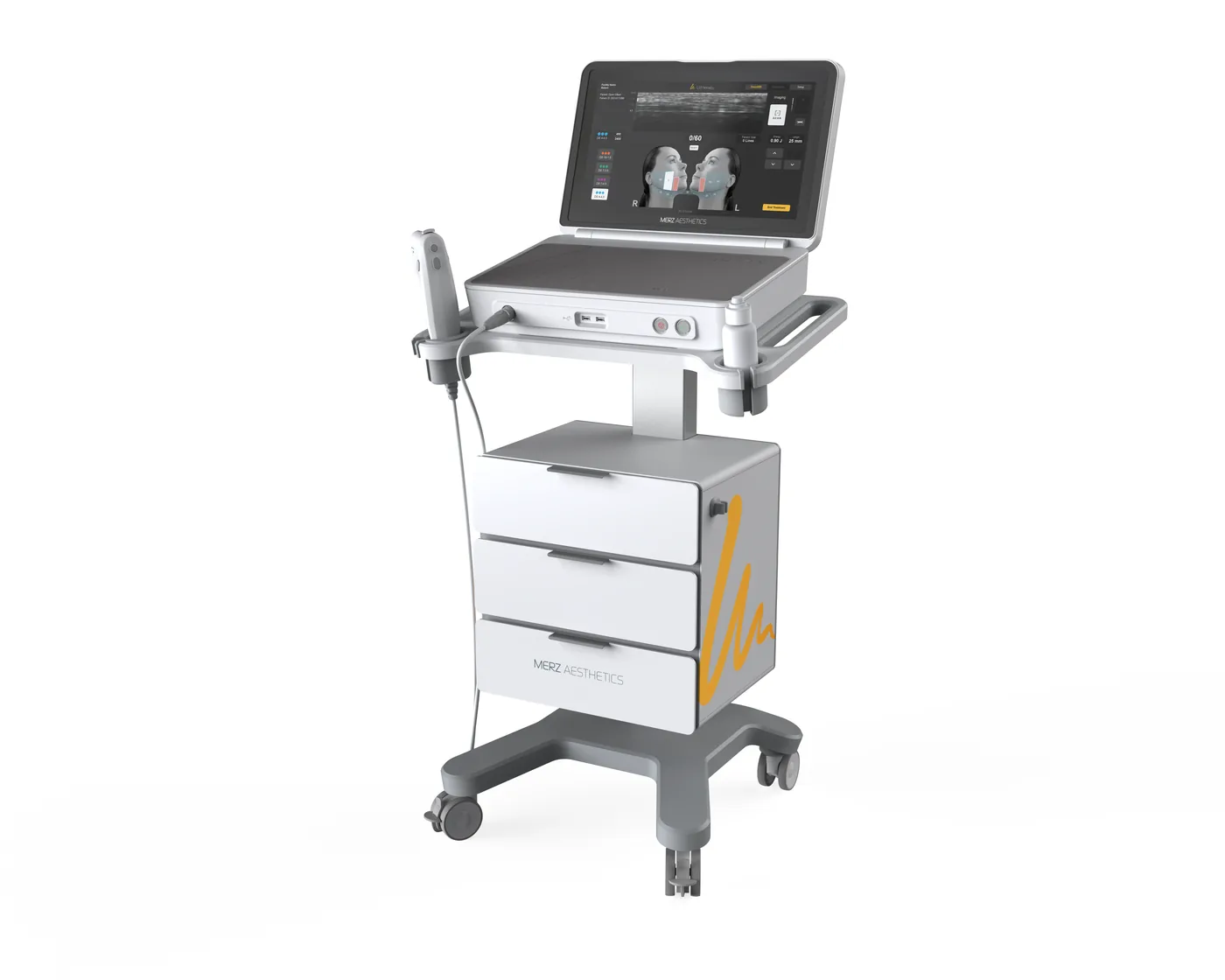
Ultherapy Prime system at Dear Clinic Cheongdam, seen from the front with its treatment screen
Dear Clinic · Lifting Comparison · Non-Surgical
Thread lift vs Ultherapy in Cheongdam, Gangnam, Seoul

Thread Lift vs Ultherapy

A thread lift moves tissue and holds it there, and the hand doing the moving is the doctor's. Ultherapy Prime places focused ultrasound on lines deep in the face and leaves your own tissue to do the contracting. Two non-surgical routes, two very different answers to the question of who performs the lift.

Mechanical repositioning · focused ultrasound Threads from ₩100,000/thread · Ultherapy Prime ₩400,000/100 shots Open 365 days
Ask Which Route Fits See Both Rates
Direct Answer

Who performs the lift — the thread, or your own tissue

A thread lift is mechanical. An absorbable thread carrying barbs or cones is passed along a planned vector, tissue is drawn up against those anchors, and the new position exists the moment the pass is finished. Ultherapy Prime is thermal and delegated: micro-focused ultrasound deposits coagulation points on discrete lines, and the contraction that follows is performed by your own tissue over the weeks after the appointment.

Everything else follows from that sentence. A thread shows its work while you are still in the chair, which is why it is chosen when a date is close. Focused ultrasound shows nothing on the day, which is why it is judged at review and why a patient who wants an immediate change is a poor fit for it.

The consequences run the other way too. Because a thread moves tissue, it can also move it unevenly, pucker the skin above it, or sit where you can feel it. Because ultrasound only heats, its failures are different in nature. Both are run here, both are planned from the same EVE Muse 3D capture, and published safety work on combining the two is part of why they sometimes appear on one chart.

The Two Mechanisms

A vector drawn by hand, against a line placed by ultrasound

Both routes are on this floor; what separates them is where the force comes from.

Threads — the tissue is repositioned

Two thread types are published here. Barbed polydioxanone and polycaprolactone threads grip along their length and are charged one at a time. Silhouette Soft threads use bidirectional cones and hold with more force per strand, which is why they carry a different figure on the card.

The design work happens before anything is passed: entry points, the angle of each vector, how many strands share the load per side. Symmetry is decided there, because once the anchors have engaged, a vector planned two millimetres off is not quietly corrected. The polymer is absorbed over the following months, and the published two-year thread work assessed outcomes across that window.
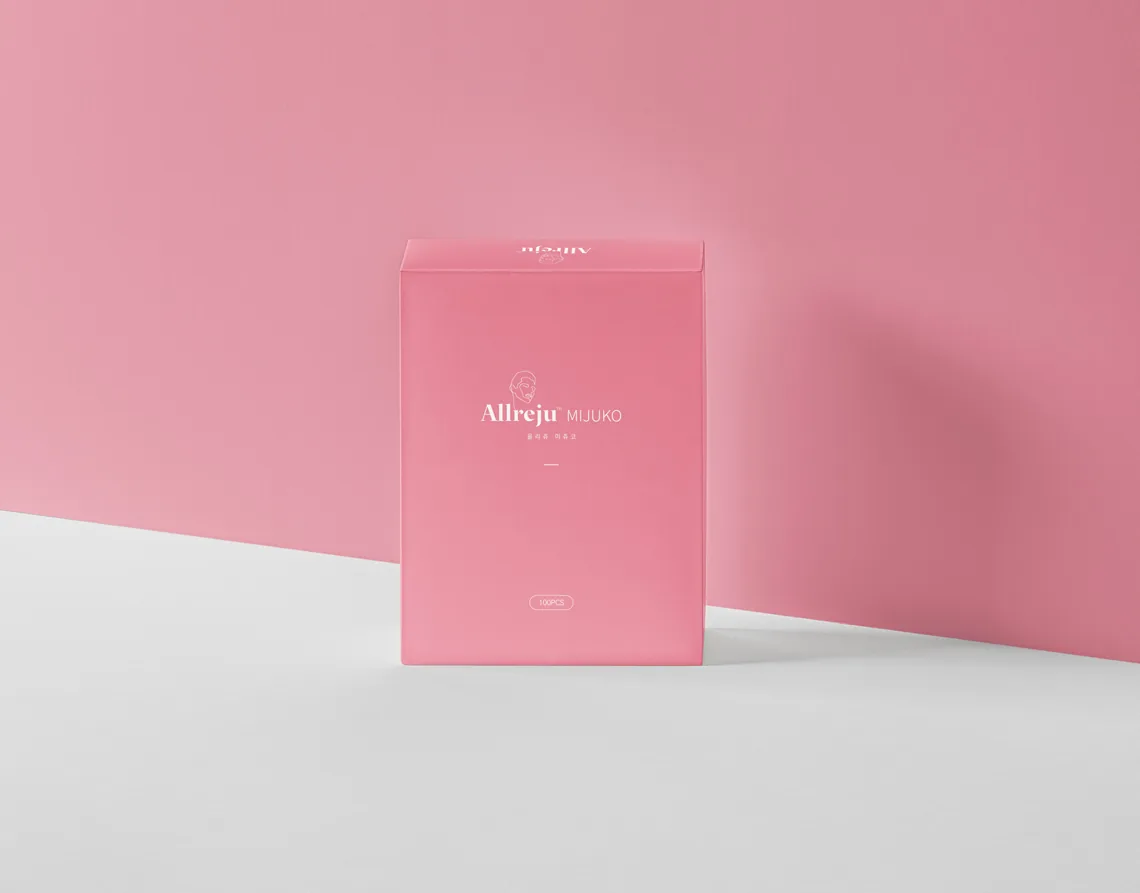
Allreju Mijuko thread product box on a pink background
Barbed absorbable threads as supplied — the anchors along the length hold a repositioned vector.
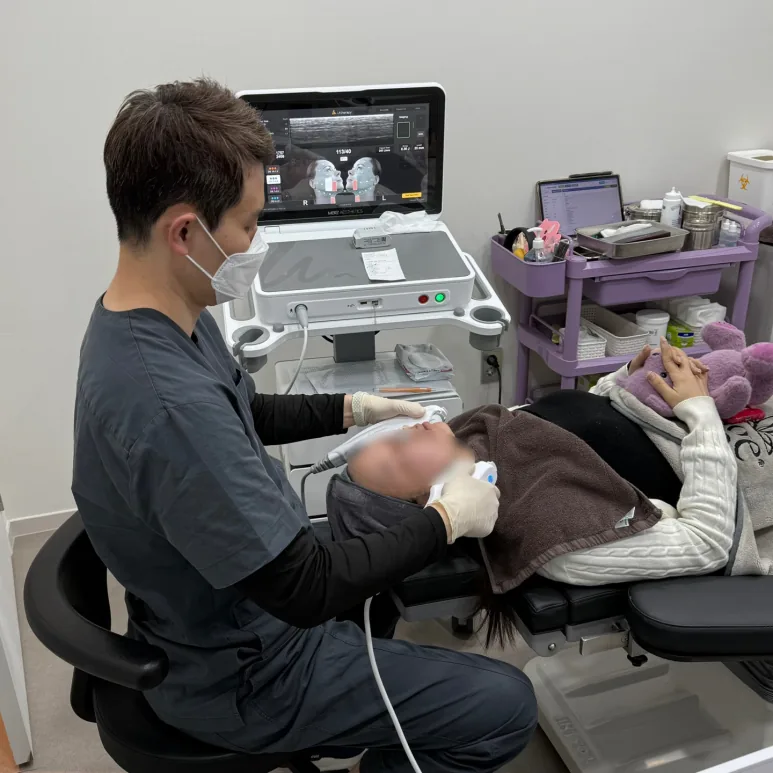
Ultherapy Prime console showing the live ultrasound image of the skin layers during treatment
Layers on screen during treatment — imaging turns a 4.5 mm line into a decision.

Ultherapy Prime — the tissue is asked to contract

Micro-focused ultrasound with visualisation, made by Merz. Energy is focused at 1.5, 3.0 and 4.5 mm, and the deepest line reaches the SMAS, the fibrous layer a surgeon repositions in an open procedure. DeepSEE imaging runs live during treatment, and visualisation on the Prime unit reaches 8 mm against 4.5 mm on the classic machine, so thicker skin can be read before a line is placed.

The planning unit is the shot, counted in hundreds, and where the lines go is decided from the scan. This is where imaging earns its cost: a line laid into fat instead of fascia does nothing you paid for. Dear holds Merz Ultherapy certification under Dr. Jemin Kim and Dr. Seonhaeng Lee.

Side by Side

Threads and Ultherapy Prime on one table

Both routes as they are run in Cheongdam. On a narrow screen the table slides sideways while the labels stay put.

 Thread liftUltherapy Prime
MechanismMechanical — tissue drawn along a vector, held by barbs or conesThermal — coagulation points placed, tissue contracts
Who does the liftingThe thread, on the dayYour own tissue, over the following weeks
Material or energyAbsorbable PDO/PCL, or coned Silhouette SoftMicro-focused ultrasound with visualisation (Merz)
Depth workedThe subcutaneous plane of the passFocused at 1.5 / 3.0 / 4.5 mm; imaged to 8 mm
Visible whenImmediately, with swelling on top of it at firstOnly at review, as collagen remodels
Planning unitPer thread, per sidePer 100 shots
Listed ratePDO/PCL ₩100,000 · Silhouette Soft ₩400,000 per thread₩400,000 per 100 shots
Characteristic risksDimpling, asymmetry, a palpable or migrating strand, bruising, infectionBruising, welts along a line, transient nerve irritation, over-stacked energy
Needles involvedYes — entry points and a cannula passNo skin puncture
Social recoverySwelling and tightness while vectors settleRedness and tenderness along the treated lines
Combined useYes — with an interval, and in a deliberate orderYes — published safety work covers the combination

The table describes the routes. Which one your chart gets is settled after the capture has measured skin thickness and located where descent begins. Outcomes vary by individual.

Case by Case

Which face is a thread candidate, and which is an ultrasound candidate

Three readings cover most consultations that open with this comparison.

LEANS THREADS

A clear vector and a date in the diary

Descent you can draw on the photograph as an arrow: a jowl below the jaw margin, a mid-face that has slid down and forward, a fold that lifts when you press it. Where tissue has somewhere to be moved to and the calendar is short, mechanical repositioning answers faster.

LEANS ULTHERAPY

Early slackness, and no appetite for entry points

Laxity that reads across a whole zone instead of along one line, a border that has softened without forming a defined fold, and a patient who would rather nothing were passed under the skin. Focused ultrasound treats without a puncture and asks for patience in exchange.

LEANS BOTH

A vector plus a slackened field around it

Common from the mid-forties on. A jowl that needs moving sits inside skin that has lost tone across the lower face, and treating only the arrow leaves the field behind. The two are sequenced, never performed over the same tissue in one appointment.

01
Repositioning on the day
02
Deep-line contraction
03
Zone-wide firmness
04
Sequenced combination
The Limits

What neither route will lift for you

Neither route adds volume, and much of what patients call sagging is deflation in disguise. A mid-face that has emptied reads as a drop in the mirror and answers to filler; pulling it upward or heating it at depth treats a problem it does not have. Neither route improves skin quality either: tone, pores and pigment belong to a different part of the floor.

Both share a ceiling. A thread can only move tissue that still has somewhere to go, and ultrasound can only ask for contraction where contractile capacity remains. Skin that has genuinely run out of elasticity, with substantial excess to remove, is a surgical conversation; where the capture reads past that point we say so plainly, and we do not recommend spending a non-surgical budget on it.

Volume loss goes to filler, never to a lifting route dressed up as one
Texture, pores and pigment are a separate quote entirely
Substantial skin excess belongs to a surgical opinion, and we refer instead
Sequencing

Running threads and focused ultrasound in one plan

Where both are indicated, the usual order here is energy first and threads second: the field is tightened, the face is reassessed, and the vector is designed against the contour that remains. Designing vectors before the field settles means planning against a face about to change. Published safety work on combining suspension threads with micro-focused ultrasound is what makes this a sequencing question.
One capture plans both halves, so the order is designed once
The interval between them is written by your director and is not fixed in advance for everyone
Energy is not passed over a field where threads have just been placed and are still settling
Where the reading names one problem, one route is quoted — a second is not added to fill out a plan
Pricing

What threads and Ultherapy Prime
are charged at in Cheongdam

Threads are billed one at a time: PDO/PCL barbed threads at ₩100,000 (≈ $70) each and Silhouette Soft cone threads at ₩400,000 (≈ $285) each. Ultherapy Prime is billed in shot blocks at ₩400,000 (≈ $285) per 100 shots. Both are quoted from one card for Korean residents and international visitors alike, and your total is written down and approved before a package is opened.
RouteUnitWhat the unit buysListed rate
PDO / PCL barbed threadPer threadOne strand along one planned vector₩100,000 (≈ $70)
Silhouette Soft cone threadPer threadOne strand with bidirectional cones₩400,000 (≈ $285)
Ultherapy PrimePer 100 shotsLines placed under DeepSEE imaging at the named depths₩400,000 (≈ $285)

Published rates as of September 2026. No thread count and no shot count is published in advance, because both follow from the capture and from the contour in front of the director on the day. Consultation, review and aftercare arrangements are confirmed with you at consultation, before the plan is approved.
In the clinic

The devices and hands behind this treatment

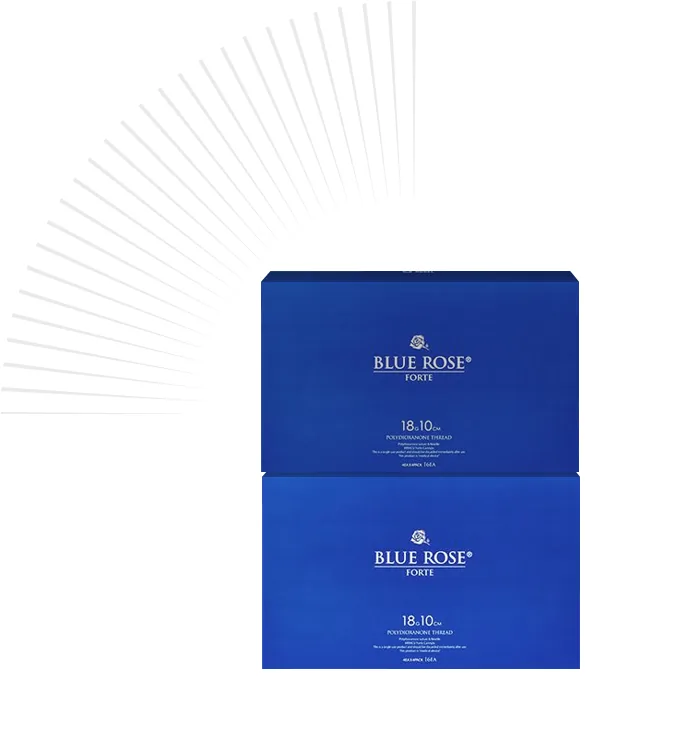
Two Blue Rose Forte polydioxanone thread boxes stacked on a white background
Polydioxanone threads as stocked, opened after the vector map is agreed
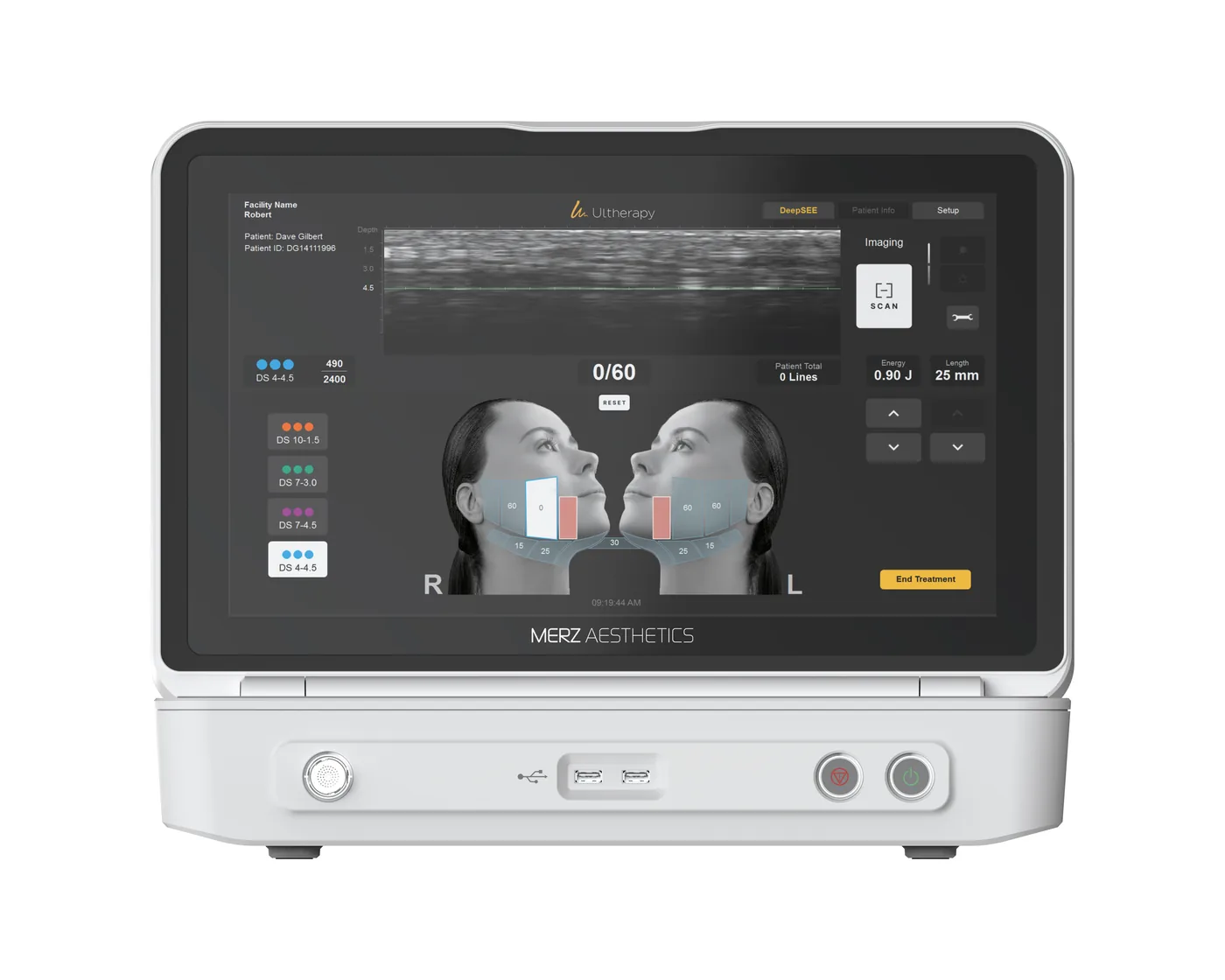
Ultherapy Prime console seen from the front, showing the ultrasound planning screen
The Ultherapy Prime cart, transducer docked between shot blocks
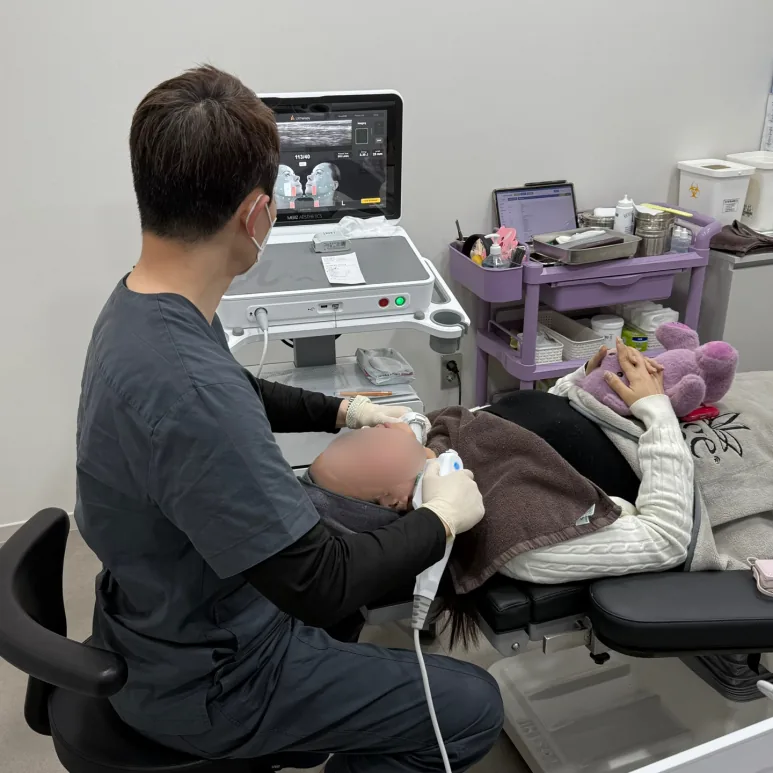
Ultherapy Prime lifting treatment in progress at Dear Clinic Cheongdam, with the ultrasound image on the console
Before & After

One thread case, shown for what a vector does

One mechanical case, shown because it illustrates the half of this comparison that is visible on the day. Ultherapy Prime is not represented photographically, because its change belongs to a review appointment.
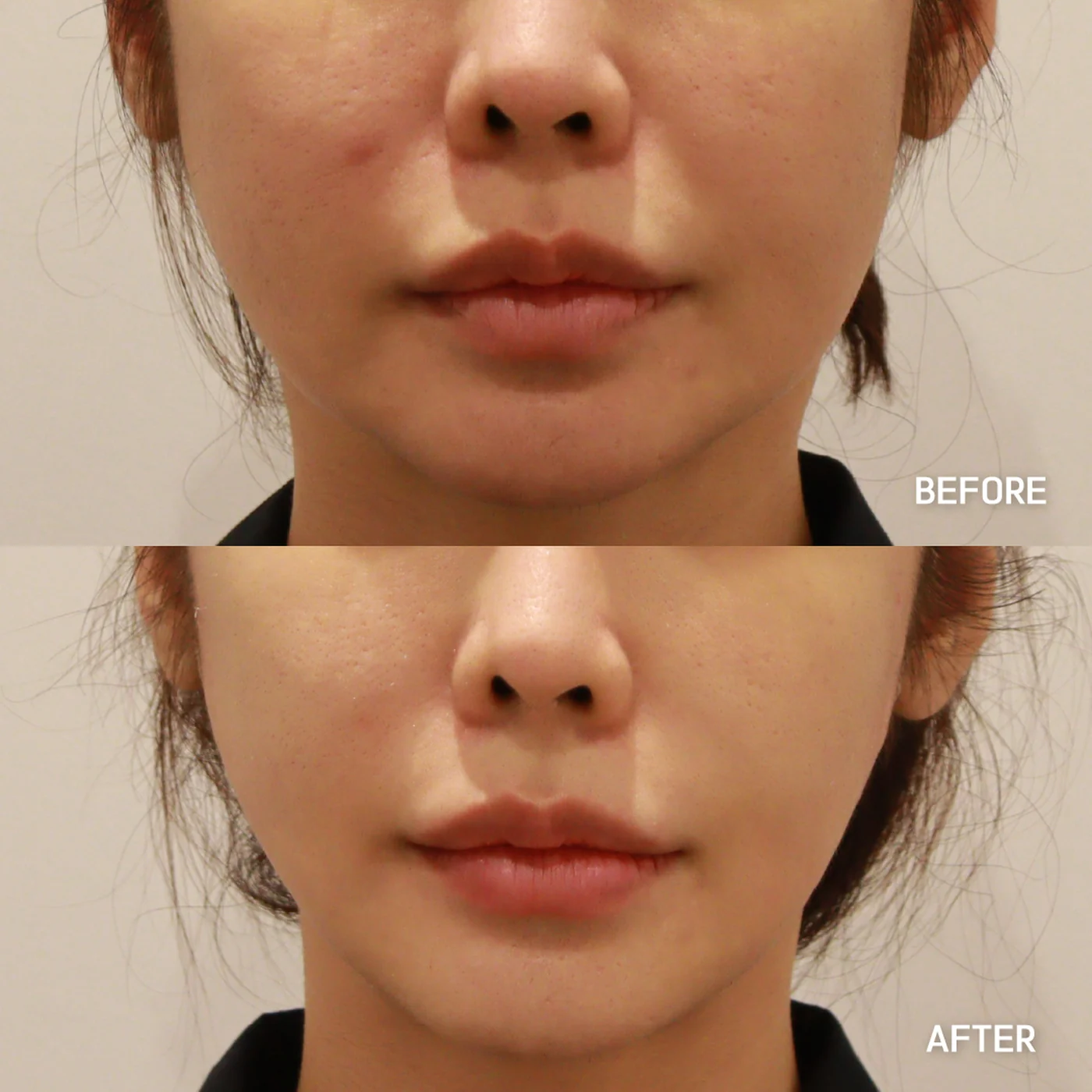
Thread lift before and after — same patient, tighter lower-face line, Dear Clinic case
Thread lift · before / after — lower-face line, same person under the same conditions

An unretouched before/after case of the same person under the same conditions, treated at Dear Clinic and shown with consent. It illustrates only the treatment it is labelled with. Individual results may vary; no specific outcome is implied or promised.

Failure Modes

The two routes fail in different ways

Bruising, swelling and several days of tenderness are common to both. Past that they diverge, and knowing which set of risks you are accepting is part of choosing between them.

Threads fail mechanically. Skin can dimple or pucker where an anchor caught too superficially. The two sides can settle unevenly, which is more irritating than a weak result. A strand can stay palpable, and occasionally one migrates toward the surface and has to be dealt with. Because an entry point is made, infection along the track is a real if uncommon risk, and spreading redness or discharge is a same-day phone call.

Focused ultrasound fails thermally. Energy placed too shallow leaves a welt along the line; energy stacked in one spot can burn or hollow the tissue under it. Transient numbness or tingling can follow a line running close to a nerve branch, and it is disconcerting while it lasts. The defence is the same in both directions: depth read before delivery, spacing kept wide enough, hands that have done it often. Here our directors mark the vectors and deliver the shot blocks themselves.

Thread side: dimpling, asymmetry, a palpable or migrating strand, infection at an entry point
Ultrasound side: welts along a line, burns or a hollow from over-stacked energy, temporary nerve irritation
Both: bruising, swelling, tenderness, results that vary by individual
When We Say No

Lifting consultations that end without either route booked

Named in advance, because each is expensive to discover afterwards.

The capture reads deflation. Filler is quoted against the same photograph, and we do not recommend pulling or heating an empty mid-face instead.
Active infection, inflamed acne inside the field, or a skin condition over the entry points. The appointment is rescheduled.
You are pregnant or breastfeeding, or an implanted electronic device sits in the ultrasound field.
You want threads for a face with no drawable vector. There is nothing to reposition, and a strand placed for its own sake is a cost without a target.
The skin excess is genuinely surgical. A referral is more useful than a non-surgical plan that will underdeliver.
Caution

The first days after threads or an ultrasound session

After threads, keep exaggerated facial movement, wide yawning and tough food out of the routine while the vectors settle.
Sleep face-up and avoid pressure on a threaded side; no facial massage over either field until your director clears it.
Keep saunas, hot yoga and alcohol out of the diary while swelling settles, on both routes.
Expect tightness and tenderness along a treated line; report anything that worsens instead of easing.
Call the clinic about spreading redness, discharge, a dimple that does not settle, or numbness outlasting a few days.
Medical Team

Five doctors, one standard

Director-performed treatment is a Dear promise — your procedure is planned and performed by the doctors below.


Dr. Jemin Kim — Medical Director and Founder, Dear Clinic
Dr. Jemin Kim
Yonsei University College of Medicine
Medical Director · Founder
Dr. Sanghyun Lee — Director, Dear Clinic
Dr. Sanghyun Lee
Seoul National University College of Medicine
Director
Board-certified · Family Medicine
Dr. Seonhaeng Lee — Director of Aesthetic Medicine, Dear Clinic
Dr. Seonhaeng Lee
Chosun University College of Medicine · Residency, Samsung Medical Center
Director, Aesthetic Medicine
Dr. Daeun Jung — Director, Dear Clinic
Dr. Daeun Jung
Ajou University College of Medicine
Director
Board-certified · Family Medicine
Dr. Woojae Jung — Director of Aesthetic Medicine, Dear Clinic
Dr. Woojae Jung
Seoul National University — B.S. in Medicine
Director, Aesthetic Medicine
Patient Reviews

What our patients say

Real verified reviews from our Google Business Profile.

4.9★★★★★ 310 Google Reviews
FAQ

Threads against focused ultrasound, question by question

How much does a thread lift vs Ultherapy cost in Cheongdam, Seoul?
Threads are priced per strand: ₩100,000 for a PDO/PCL barbed thread and ₩400,000 for a Silhouette Soft cone thread. Ultherapy Prime is ₩400,000 per 100 shots. Neither total can be quoted before the capture, because one depends on strand count and the other on how many shot blocks the lines require.
Is thread lifting or Ultherapy safe at Korean clinics?
Both are established non-surgical procedures with published clinical literature behind them, and neither is risk-free. Safety lives in the specifics: a genuine device with genuine consumables, a director who reads depth before delivering, and a plan that declines what the capture does not support. Ask about those three before you ask about price.
Which one shows a result faster?
Threads, because the repositioning is mechanical and happens during the appointment, though swelling sits on top of it at first. Ultherapy Prime shows nothing immediately by design; it works by prompting collagen to remodel, so it is assessed at a booked review.
Does Ultherapy hurt more than a thread lift?
They are uncomfortable in different ways. Focused ultrasound arrives as a deep prickling heat at the instant each line is placed. A thread pass is felt as pressure and pulling along the vector, with a sore, tight jaw afterwards. Comfort measures for either appointment are confirmed with you at consultation.
Can threads and Ultherapy be done together?
Sequenced, yes, and there is published safety work on combining suspension threads with micro-focused ultrasound. The usual order here is energy first and threads afterwards, so the vectors are designed against a field that has already tightened. Neither is passed over tissue the other has just treated, and the interval is written by your director.
What happens to the threads over time?
They are absorbable, so the polymer breaks down over the months that follow. The published two-year work on barbed polydioxanone threads assessed outcomes across that window. How long an individual keeps a repositioned contour depends on age, tissue quality and lifestyle, and no fixed figure is published here.
Will either of them tighten my neck?
Within limits, and the limits differ. Focused ultrasound can be planned across the neck where the scan finds contractile capacity. Threads need somewhere to anchor and somewhere to move tissue to, so a neck with substantial skin excess is not a thread problem.
What is a dimple after a thread lift, and does it settle?
Skin caught by an anchor that engaged too superficially, visible as a small pucker over the track. Many settle as swelling resolves and tension redistributes; some need attention, which is why a review is part of every thread plan. Report a dimple when you see it.
Can Ultherapy damage a nerve?
Temporary numbness or tingling along a nerve branch is an uncommon but recognised effect of focused ultrasound, and it typically resolves on its own. It is a depth-and-placement issue, which is what live imaging exists to control.
How many threads or how many shots will I need?
No number is published in advance. Strand count follows the vectors your face actually has and how much each carries; shot blocks follow the length of the lines the scan asks for. Your director gives a working figure at consultation, written into the quote you approve.
Can either be done on the day I consult?
Often. The capture and the consultation take around half an hour between them, and both routes are kept ready on this floor, so a session can follow the same afternoon once suitability is confirmed. The clinic opens 365 days a year, weekends and public holidays included.
Do visitors from abroad pay the same rates, and how soon can I fly?
Same card, no surcharge for non-residents. Tell us your departure date at the consultation: threads leave swelling and a tight jaw for several days, while an ultrasound session leaves less on the surface. Your director will advise against a route that does not fit your dates.
Consultation

Ask whether your face needs moving or contracting

Describe what has dropped and send your dates. A written answer comes back in English as soon as possible.

Scientific Evidence

Published work behind suspension threads and micro-focused ultrasound

Six papers, three per route. The thread group covers a two-year outcome study of absorbable barbed polydioxanone threads, a facial suspension technique report, and a safety study of combining suspension threads with micro-focused ultrasound — the paper behind the sequencing section above. The ultrasound group covers clinical and pathological results in Asian skin, a tightening and lifting report, and a systematic review of the technology.

They are listed with DOIs so the primary sources can be read in full. None of them prices a treatment, chooses a route for your face, or predicts what your own tissue will do.

  1. Ali Y. Two years’ outcome of thread lifting with absorbable barbed PDO threads: Innovative score for objective and subjective assessment. Journal of Cosmetic and Laser Therapy. 2017. doi:10.1080/14764172.2017.1368562
  2. Tavares J et al. Facial thread lifting with suture suspension. Brazilian Journal of Otorhinolaryngology. 2017. doi:10.1016/j.bjorl.2017.03.015
  3. Casabona G. Safety of Combining Facial Lifting with Suspension Threads and Microfocused Ultrasound With Visualization. Journal of Drugs in Dermatology. 2020. doi:10.36849/jdd.2020.4771
  4. Suh D et al. Intense Focused Ultrasound Tightening in Asian Skin: Clinical and Pathologic Results. Dermatologic Surgery. 2011. doi:10.1111/j.1524-4725.2011.02094.x
  5. Fabi S. Microfocused Ultrasound With Visualization for Skin Tightening and Lifting. Dermatologic Surgery. 2014. doi:10.1097/dss.0000000000000233
  6. Khan U et al. A Systematic Review of the Clinical Efficacy of Micro-Focused Ultrasound Treatment for Skin Rejuvenation and Tightening. Cureus. 2021. doi:10.7759/cureus.20163

References are provided for information — outcomes vary by individual and are assessed at your diagnosis.

Book WhatsApp Call