Home
Doctors Pricing Rates FAQ Book a Consultation
ENES
Treatment corridor with a mirrored end wall reflecting the DEAR clinic logo
Dear Clinic · By Decade · Fifties
Structure And Volume, Not Maintenance

Skin Treatments in Your 50s in Cheongdam, Gangnam, Seoul

By the fifties the dominant findings are structural: support that has loosened, volume that has deflated, a dermis that has thinned, pigment that has accumulated and lines that stay visible at rest. This page maps those five findings onto the six lines Dear Clinic actually runs for them, and states plainly where non-surgical work stops.

Five findings, six lines Sequenced across months, never stacked Ranked by the EVE Muse capture
Ask Which Finding Comes First See The Six Lines
Direct Answer

What a fifties plan is built to address at Dear Clinic

Support, volume and dermal thickness first; surface concerns after. The routes held here for that work are Ultherapy Prime and Thermage FLX for structure, Sculptra and Rejuran Healer for the dermis, dual laser toning for accumulated pigment and a small toxin dose for lines that have set. Which of them opens your plan is decided by your capture.

The single most useful thing to understand about treating a face in its fifties is that the argument has moved. Work aimed at skin quality alone starts to disappoint here, because the tissue it sits on has changed shape. A face can have excellent surface condition and still read as tired, and no amount of surface work corrects that.

So the order inverts. Structure and volume are assessed before texture, and the plan is written from the deepest finding outwards. That is the practical difference between a plan written at forty-two and one written at fifty-six.

It also means expectations have to be set precisely. Non-surgical work at this stage redistributes, stimulates and tightens what is present. It does not remove tissue, and this page says plainly where that boundary falls before it says anything about price.
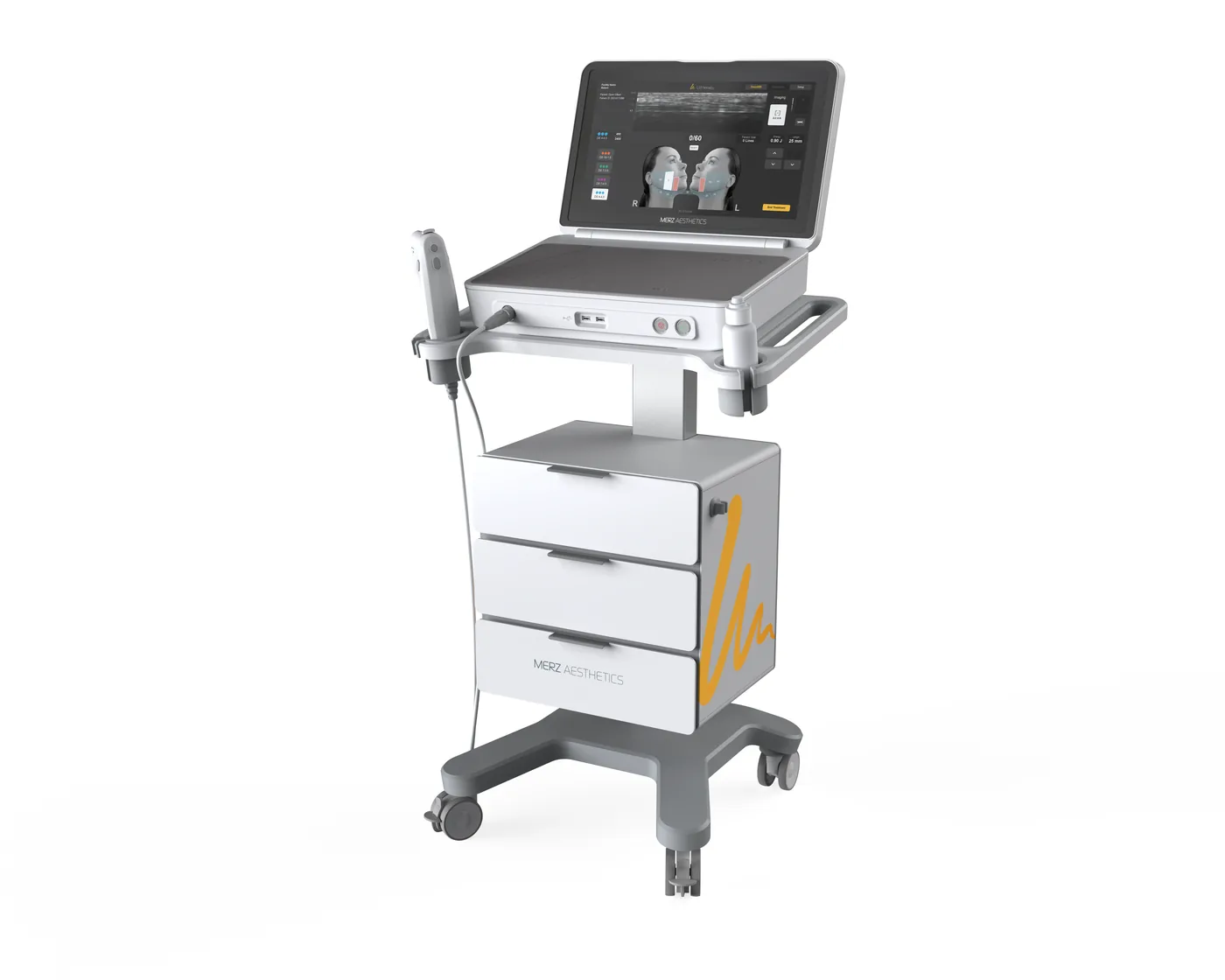
Ultherapy Prime system at Dear Clinic Cheongdam, seen from the front with its treatment screen
Ultherapy Prime on its cart. Focused ultrasound is the deepest instrument held in this building.
The Decade's Findings

The five things a fifties face brings into the consultation room

These appear together and in different proportions. Naming them separately is what allows a plan to treat the one that is actually driving the look.

FindingWhat it looks like in the mirrorWhich layer it lives in
Structural laxityThe jaw outline blurs and the mid-face sits lower than it did; the change is most visible in profile and in photographs taken from belowThe fibrous support layer beneath the fat pads, including the SMAS plane that focused ultrasound targets
Volume deflationHollowing at the temples and the front of the cheek, with folds that persist even when the skin itself looks wellDeep and superficial fat compartments, plus the bony frame they sit on
Dermal thinningSkin that creases finely, bruises more readily and reflects light unevenly across a wide fieldThe dermis, where collagen density and hydration have fallen
Pigment accumulationPatches and freckling built up over decades of sun exposure, uneven across the fieldEpidermal and upper dermal pigment, often mixed in the same face
Static linesLines across the forehead, between the brows or at the outer eye that remain legible with the face completely stillRepeated muscle movement written into skin that has lost recoil

A fifties consultation almost never finds one of these alone. The job of the capture is to rank them, because treating the fourth-ranked finding first is the commonest way a large budget produces a small change.

Ranking The Five

How the EVE Muse capture ranks a fifties face

Every plan here opens with an EVE Muse AI Skin Analysis: three-dimensional imaging under five light sources with AI analysis, taken before any treatment is named. In a fifties consultation the three-dimensional part carries more weight than it does at any earlier age, because the findings that dominate this decade are findings about shape.

Two faces can present the same complaint and be given opposite plans. Where the capture shows that the outline has descended while the volume beneath is largely intact, energy is the first instrument and injecting material would simply weigh down a structure already struggling. Where it shows that the frame has emptied and the skin is merely draped over less than it used to cover, tightening alone produces a thinner version of the same tired face. The reading is what separates those two cases, and your director reads it with you before a figure is discussed.

Your history then overrules the images wherever the two disagree. Medication, autoimmune conditions, previous injectable material still present in the face, a tendency to bruise, and any history of poor healing all move a plan and can remove a line from it entirely.

The Routes Held Here

Six lines a fifties plan is assembled from, with listed rates

Nobody receives all six. Each is matched to one of the five findings above, and a plan that uses two of them well beats a plan that uses five of them thinly.

LineFinding it answersMechanism and depthUnitListed rate
Ultherapy PrimeStructural laxityMicrofocused ultrasound with visualisation, delivered to the SMAS plane at treatment depths of 1.5, 3.0 and 4.5 mm; DeepSEE™ imaging visualises to 8 mm so the operator sees the plane being targeted100 shots₩400,000 (≈ $285)
Thermage FLXStructural laxity with surface crepinessMonopolar radiofrequency working at dermal level with AccuREP™ energy calibration; a different layer from focused ultrasound and a different sensation600-shot tip₩1,900,000 (≈ $1,355)
SculptraVolume deflation across a broad fieldPoly-L-lactic acid, a collagen stimulator placed to restore volume gradually instead of filling a defect on the day1 vial₩1,000,000 (≈ $715)
Rejuran HealerDermal thinningPolydeoxyribonucleotide delivered into the dermis in a series, aimed at skin quality across a field instead of at one line2 cc₩300,000 (≈ $215)
Dual laser toningPigment accumulationLow-fluence 1064 nm Nd:YAG toning in a dual-wavelength session, worked gently and repeatedly instead of aggressively once1 session₩200,000 (≈ $145)
Wrinkle toxin, Korean tierStatic linesBotulinum toxin dosed into one treated area to reduce the movement that keeps re-drawing the line; imported and premium tiers exist on separate lines of the card1 area₩30,000 (≈ $20)

Units differ down the column and that is the part worth reading twice: a vial, a block of shots, a tip, a cubic centimetre, a session and a treated area are six different things to buy. Korean won is what you pay and the USD figure beside it is an approximate reference that moves with the exchange rate. Residents and international patients are quoted from the same card with no foreign-patient surcharge, and every rate held on this site is on the transparent price list.

Order And Spacing

Why a fifties plan is sequenced across months instead of stacked into one visit

PRINCIPLE ONE

Deep before superficial, because the deeper layer changes the target

Tightening the support layer moves the skin above it. Pigment and texture work done first is therefore work done on a surface that is about to shift, and volume placed before structure is settled can end up in the wrong position. Where the capture ranks structure highest, structure is treated first and the rest is planned around it.

PRINCIPLE TWO

Collagen stimulation is judged on its own clock, not on the calendar you would prefer

Focused ultrasound, radiofrequency and poly-L-lactic acid all work by provoking a response in tissue over time. Their effect is assessed at review against your stored capture, and the interval before that review is set by your director for your plan. No count of sessions is promised in advance here.

PRINCIPLE THREE

One variable at a time keeps the plan answerable

Combining several routes in a single sitting makes an appealing invoice and an unreadable result, because nothing can be attributed afterwards. Spacing them means a line that did nothing for you can be dropped and one that worked can be repeated.

Spacing is a medical decision and it is yours to interrogate. Ask at your consultation which line opens the plan, what the interval before review is and what evidence at review would cause the route to change. Those three questions produce a better plan than any list of treatment names.
Travel changes sequence, it does not change the principle. Where you are in Seoul briefly, the order is compressed around what can be assessed before you leave, and the remainder is planned for a return visit or discussed in writing once you are home.
The Structural Limit

Where non-surgical work stops in a face over fifty

Energy and injectables act on tissue that is present. They tighten, stimulate and restore volume. They do not excise skin, and no combination of them is equivalent to a surgical lift. Surgery is not performed at Dear Clinic and is not part of any plan written here.
Where marked skin excess is the finding, we do not recommend energy work as a substitute. A face carrying significant redundant skin is not the right case for focused ultrasound or radiofrequency to solve on its own, and saying so at the consultation is more useful to you than selling a plan that will underdeliver. You would leave with a written assessment and no procedure booked.
Risks are named before you consent. Focused ultrasound and radiofrequency both carry a burn risk and can cause redness, swelling, temporary numbness or, rarely, nerve-related weakness; settings and operator judgement are what manage that. Injected lines can bruise, swell and form small lumps or nodules, and any injection carries an infection risk and a vascular risk. Repeated low-fluence toning has documented downsides in the literature, including mottled hypopigmentation. Individual results vary.
Some people are declined outright. Active infection or inflammation in the area, pregnancy and breastfeeding, certain autoimmune and healing disorders, photosensitising medication and unrealistic expectations of what non-surgical work can achieve all end a fifties consultation with a plan on record and nothing performed.
Comfort measures are confirmed at the consultation. Tolerance differs enormously between the routes above and between patients, and what is appropriate for your plan is settled in the room by the director who will perform it.
Dear, Knowhow

Why a fifties plan is written this way on these two floors

01 — THE FULL ARSENAL

Focused ultrasound, monopolar radiofrequency and collagen stimulators under one roof

A fifties face usually needs at least two of the five findings addressed, and those two rarely sit in the same category. Holding lifting devices, stimulators, boosters, toxin, filler and pigment lasers in the same building means the ranking produced by your capture decides the plan. Nothing has to be bent towards the one machine on the premises.

02 — DIAGNOSIS FIRST

EVE Muse 3D and AI analysis before the first figure is named

Three-dimensional capture is what separates a descended outline from a deflated one, and those two look similar in a mirror while demanding opposite plans. The images are reviewed with you, and where they contradict the treatment you arrived asking for, you hear that before any quotation exists.

03 — DIRECTOR-PERFORMED

Certified hands on the two lifting devices

Treatment is director-performed. Dr. Jemin Kim and Dr. Seonhaeng Lee hold Merz Ultherapy Certified Treatment Provider certificates, and the clinic has held Thermage certification for three consecutive years.
In the clinic

The instruments a fifties plan draws on

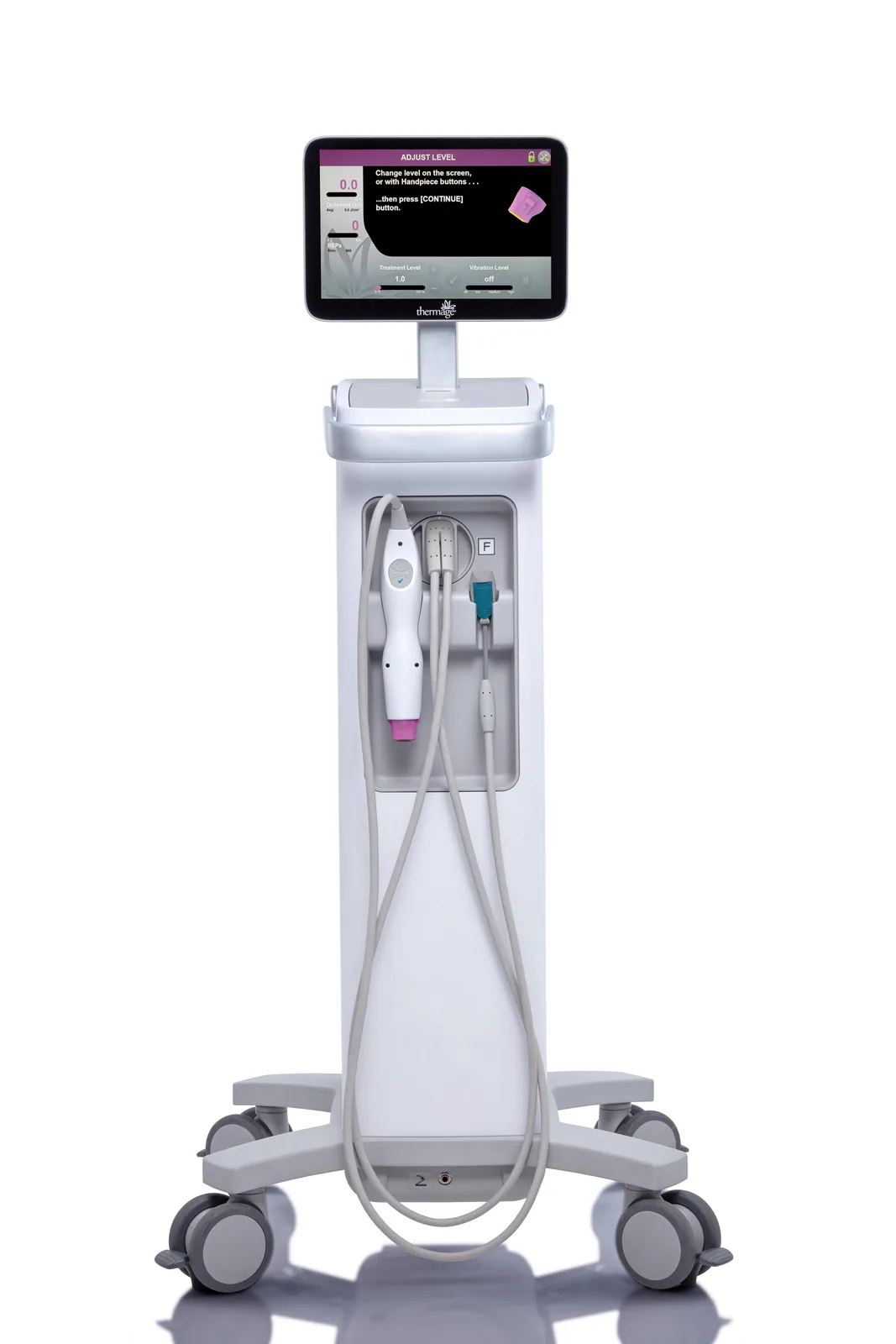
Thermage system viewed head-on with its handpiece and treatment tip in the cradle
Thermage FLX with a tip in the cradle, for dermal-level tightening
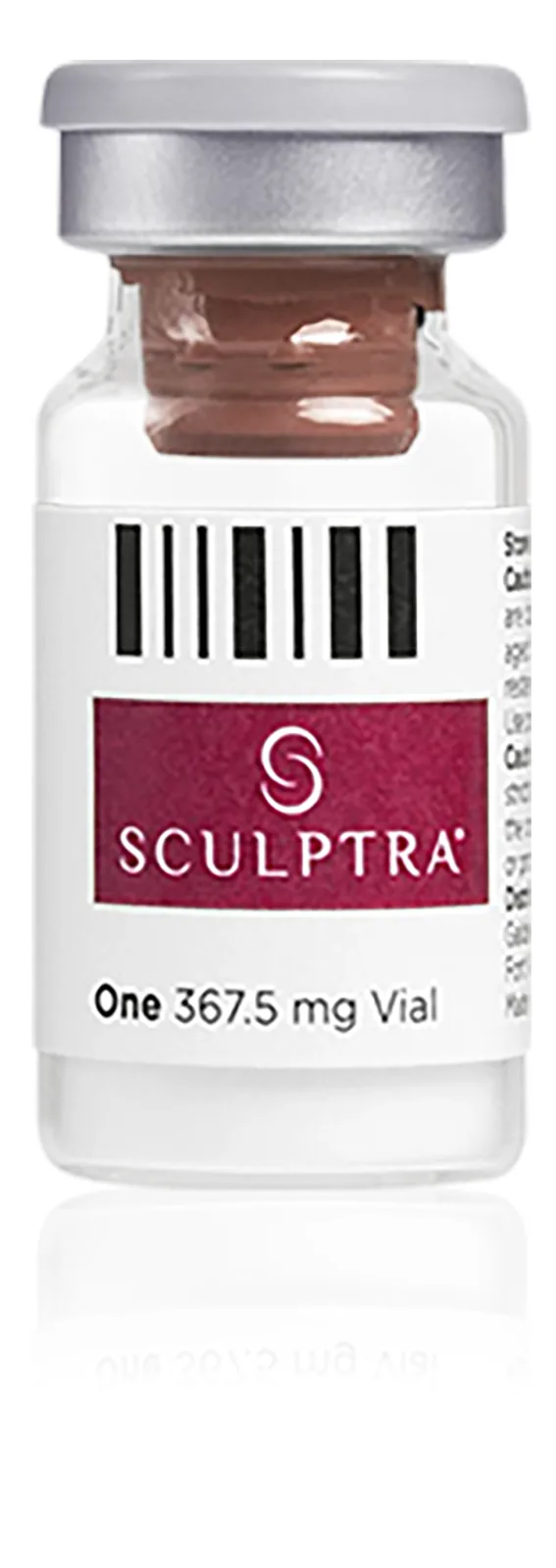
Sculptra 367.5 mg single vial with its reflection on a transparent background
A Sculptra vial, the poly-L-lactic acid line used for broad deflation
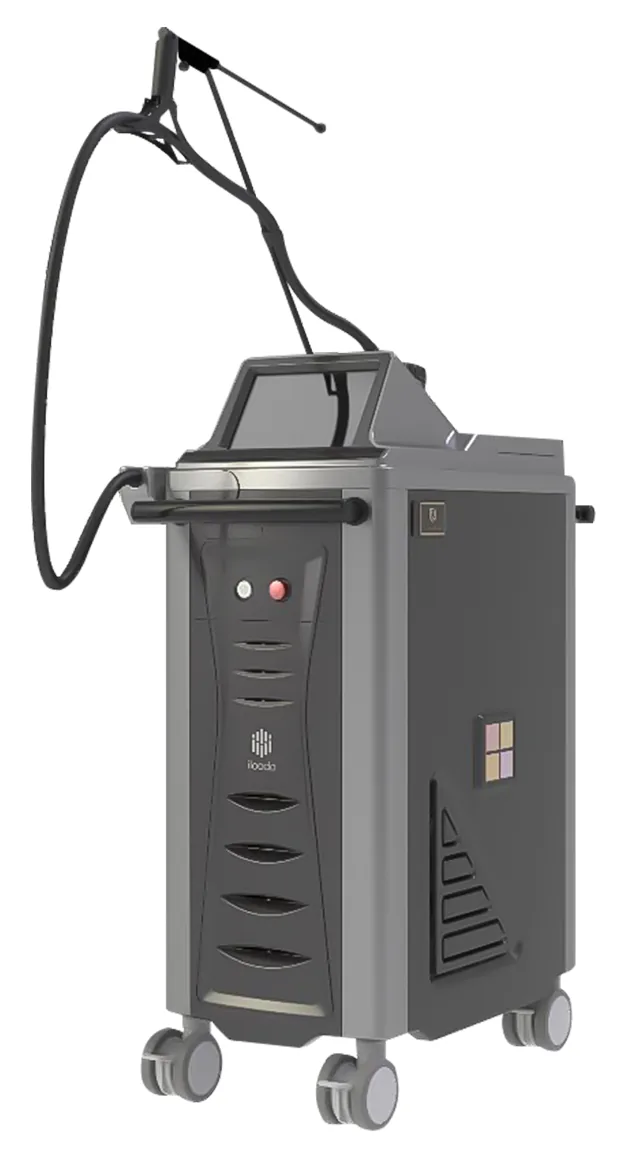
New Titanium (Portra Quattro) lifting laser platform on castors with its articulated delivery arm and handpiece at Dear Clinic
A laser platform in the laser room at Dear Clinic
Medical Team

Five doctors, one standard

Director-performed treatment is a Dear promise — your procedure is planned and performed by the doctors below.


Dr. Jemin Kim — Medical Director and Founder, Dear Clinic
Dr. Jemin Kim
Yonsei University College of Medicine
Medical Director · Founder
Dr. Sanghyun Lee — Director, Dear Clinic
Dr. Sanghyun Lee
Seoul National University College of Medicine
Director
Board-certified · Family Medicine
Dr. Seonhaeng Lee — Director of Aesthetic Medicine, Dear Clinic
Dr. Seonhaeng Lee
Chosun University College of Medicine · Residency, Samsung Medical Center
Director, Aesthetic Medicine
Dr. Daeun Jung — Director, Dear Clinic
Dr. Daeun Jung
Ajou University College of Medicine
Director
Board-certified · Family Medicine
Dr. Woojae Jung — Director of Aesthetic Medicine, Dear Clinic
Dr. Woojae Jung
Seoul National University — B.S. in Medicine
Director, Aesthetic Medicine
Patient Reviews

What our patients say

Real verified reviews from our Google Business Profile.

4.9★★★★★ 310 Google Reviews
FAQ

Treating a face in its fifties, question by question

What changes in the fifties that did not need treating ten years earlier?
The balance shifts from skin quality to architecture. Support loosens, fat compartments deflate and the dermis thins, so surface work that used to be enough now sits on a changed shape. A plan written for this decade starts at the deepest finding the capture ranks and works outwards, which is a different order of operations altogether.
Does a fifties face need Ultherapy Prime, Thermage FLX, or both?
They act on different layers. Focused ultrasound is delivered to the SMAS plane with visualisation, while monopolar radiofrequency works at dermal level and also addresses crepey surface quality. Where both findings score, they can feature in one plan at separate appointments. Where only one scores, only one is proposed, and your capture is what settles that.
What do the lines in a fifties plan cost at Dear Clinic?
All six lines are listed in the table above with their units: shots for Ultherapy Prime, a tip for Thermage FLX, a vial for Sculptra, cubic centimetres for Rejuran Healer, a session for toning and a treated area for toxin. Your own total is itemised after the capture and agreed before anything is prepared. One card covers residents and international patients alike.
Can injectables and energy devices replace a facelift after fifty?
No, and the distinction matters most in this decade. These routes tighten, stimulate and restore volume in tissue that is present; they do not remove skin. Surgery is not performed at Dear Clinic. Where the finding is marked skin excess, that is said at the consultation and no substitute plan is sold to you in its place.
Sculptra or Rejuran Healer for thin, crepey skin in the fifties?
They answer different findings. Poly-L-lactic acid is a volume proposition placed across a broad field to stimulate collagen gradually. Polydeoxyribonucleotide is a dermal quality proposition delivered in a series. A face that is hollow needs the first; a face that is thin but still full needs the second; a face that is both has the two sequenced across separate appointments.
Does wrinkle toxin still work on lines that are visible at rest?
It works on the movement that keeps re-drawing them, which is why results on static lines are partial. Dosing is deliberately conservative here so that expression survives, and a line already etched into thinned skin usually needs the dermal finding treated as well. The tier used is discussed at consultation; the Korean tier rate is in the table above.
Is laser toning useful for pigment that has built up over decades?
It is the patient route, worked at low fluence over repeated sessions and reviewed as it runs, which is why it is priced by the session. Pigment in a fifties face is usually mixed in depth, so the capture matters here. Published work reports mottled hypopigmentation following courses of low-fluence 1064 nm treatment for melasma, and that risk is part of the conversation before the first pass.
Is it too late to start at fifty-five or fifty-eight?
No, though the plan is written differently from one started earlier. Expectations are set against what the capture shows rather than against a photograph from twenty years ago, and the framing is improvement in specific findings instead of reversal. Where the realistic gain is small, you will be told that before you spend anything.
How long should a fifties plan be spread over?
Long enough that each line can be judged separately. No fixed schedule is promised on this page because the interval belongs to your plan and is set by your director, who will tell you what will be assessed at review and what evidence would change the route. Collagen-stimulating work in particular is judged at review against your stored capture.
What about the neck and the skin around the eyes after fifty?
Both are common fifties concerns and both are assessed at the consultation, since what is appropriate depends on which layer the capture implicates and on the anatomy of the area. Thinner regions are approached more conservatively than the mid-face. Ask specifically about them, because a plan discussed only in terms of the face can leave them unaddressed.
Who should not have these treatments?
Anyone pregnant or breastfeeding, anyone with active infection or inflammation in the treatment area, patients on photosensitising medication for the laser lines, certain autoimmune and impaired-healing conditions, and anyone whose expectation is surgical in scale. These consultations end with a written assessment and no procedure, which is a legitimate outcome and not a wasted visit.
I am visiting Seoul briefly. What is realistic for a fifties plan in one trip?
Usually the capture, the consultation and one or two lines that suit your dates, with the remainder planned for later. Message before you fly with daylight photographs and your dates and you will get a written English reply about what fits. The clinic runs 365 days a year, weekdays 10 to 19 and weekends and holidays 10 to 16.
Consultation

Ask which of the five findings should open your plan

Send two daylight photographs, one of them in profile, with a sentence about what has changed. A written English reply will tell you which finding is likely driving it.

Scientific Evidence

Published work on the structural and volume routes named above

No trial studies a decade of life, and this page does not pretend otherwise. What the literature below covers is the instruments a fifties plan leans on: how focused ultrasound and radiofrequency differ histologically, how they compare when set against each other in a split-face design, what radiofrequency does for laxity, what poly-L-lactic acid does volumetrically, and where polydeoxyribonucleotide research currently stands.

Each entry resolves to a DOI in an indexed journal. Whether any of it applies to your own face is a clinical judgement made in person, after your capture.

  1. Suh D et al. Comparative histometric analysis of the effects of high-intensity focused ultrasound and radiofrequency on skin. Journal of Cosmetic and Laser Therapy. 2015. doi:10.3109/14764172.2015.1022189
  2. Alhaddad M et al. A Randomized, Split-Face, Evaluator-Blind Clinical Trial Comparing Monopolar Radiofrequency Versus Microfocused Ultrasound With Visualization for Lifting and Tightening of the Face and Upper Neck. Dermatologic Surgery. 2019. doi:10.1097/dss.0000000000001653
  3. Friedman O et al. Intense focused ultrasound for neck and lower face skin tightening a prospective study. Journal of Cosmetic Dermatology. 2020. doi:10.1111/jocd.13313
  4. Araújo A et al. Radiofrequency for the treatment of skin laxity: mith or truth. Anais Brasileiros de Dermatologia. 2015. doi:10.1590/abd1806-4841.20153605
  5. Angelo-Khattar M. Poly-L-Lactic Acid in Facial Rejuvenation: Volumetric Data Supporting Regenerative Outcomes. Clinical, Cosmetic and Investigational Dermatology. 2025. doi:10.2147/ccid.s566829
  6. Kim J. Polydeoxyribonucleotide (PDRN) - Established Efficacy and Emerging Directions in Research and Development -. Journal of Biotechnology and Bioindustry. 2025. doi:10.37503/jbb.2025.13.14

References are provided for information — outcomes vary by individual and are assessed at your diagnosis.

Book WhatsApp Call