

★★★★★
The clinic was very professional from start to finish. Doctor Jung was excellent and gentle with the treatment. I felt well looked after and everyone was outstanding. Happy with my service!
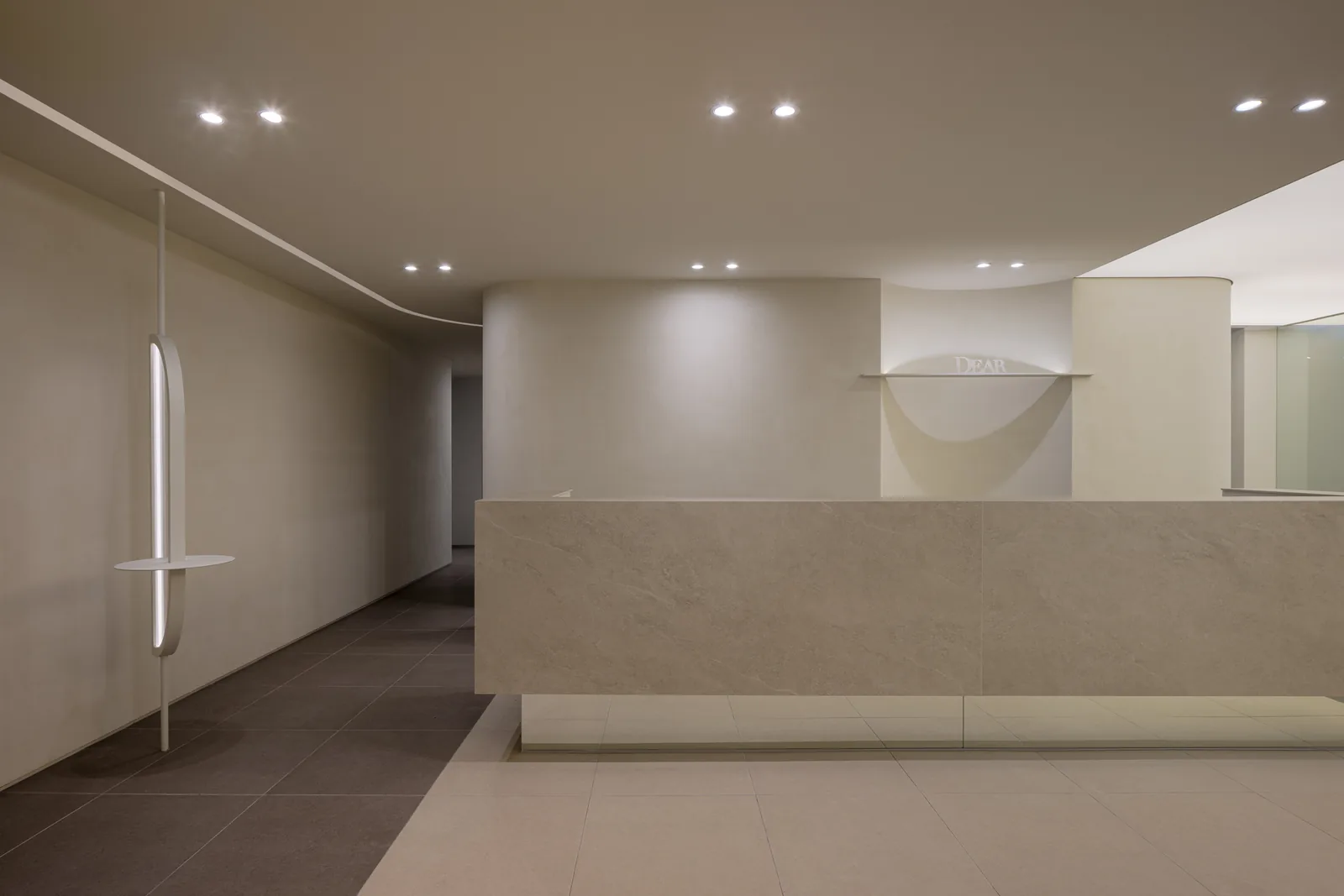
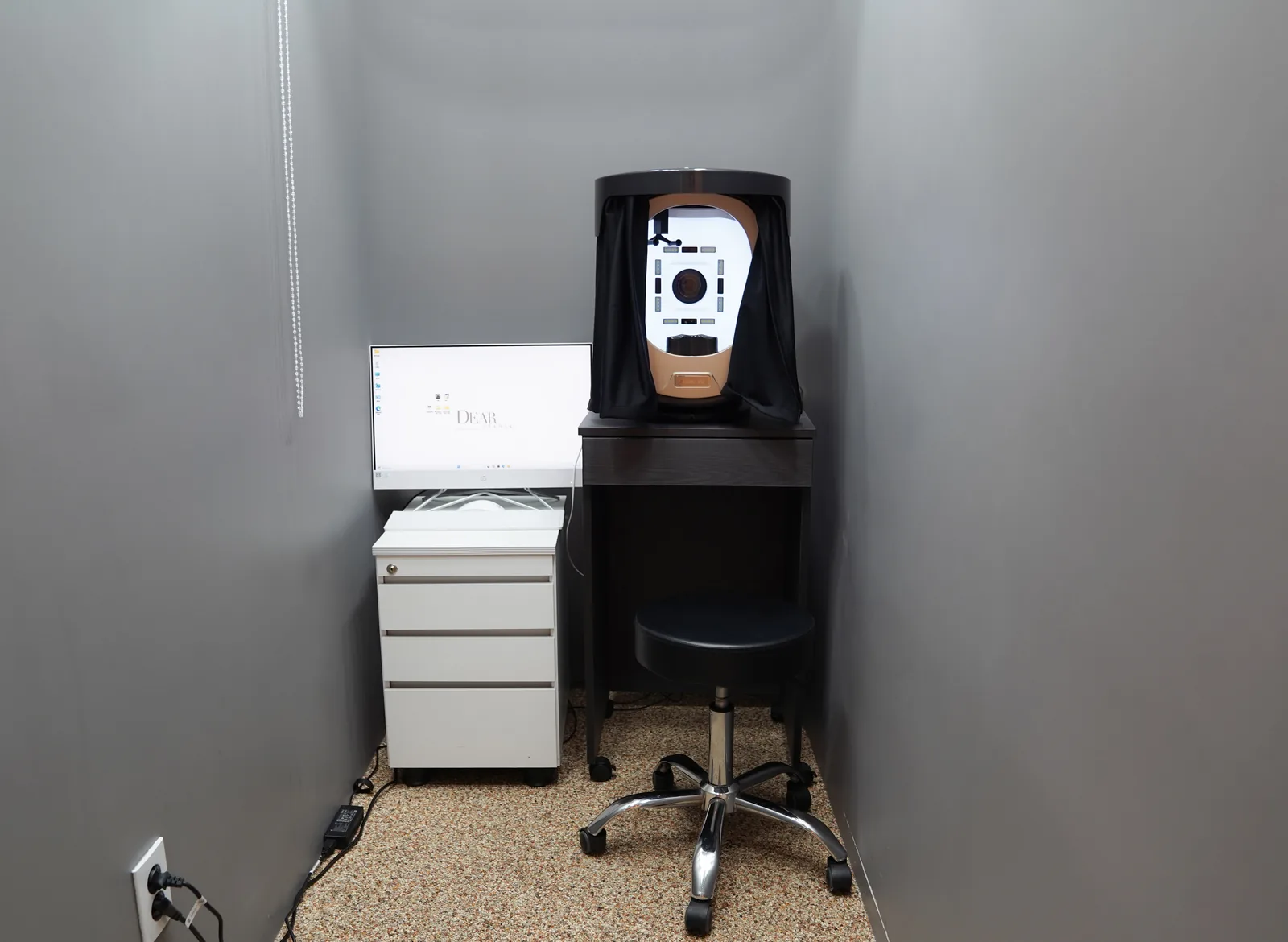
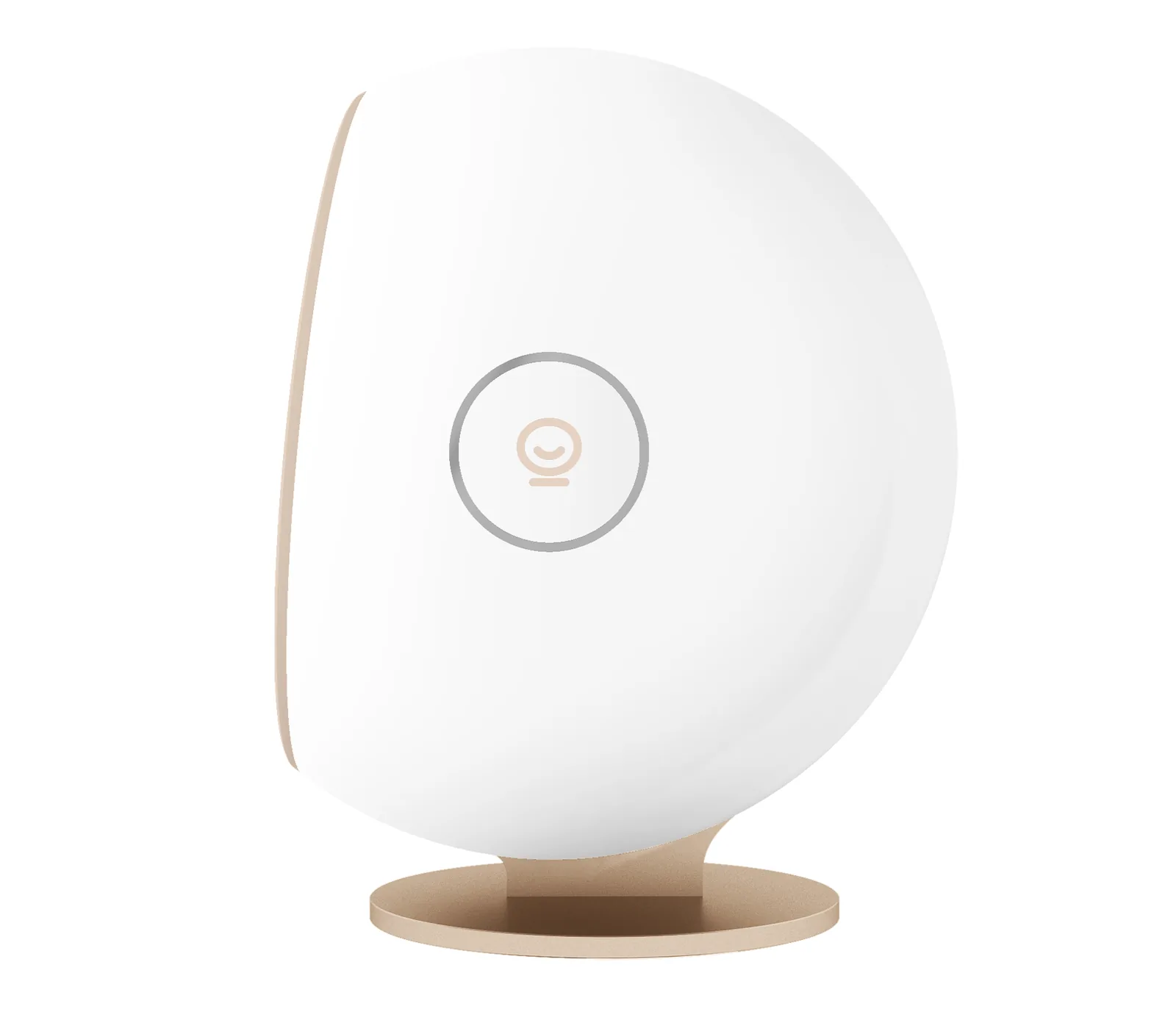
Every plan written at Dear Clinic starts with an EVE Muse AI Skin Analysis: three-dimensional imaging under five light sources with AI analysis, captured before a treatment is named and kept as the baseline your review is measured against. This page explains what the capture is for, how a director uses it, and the decisions it deliberately does not make.
Aesthetic medicine has an ordering problem. A patient arrives with a treatment already in mind, picked up from a video or a friend, and the appointment becomes a negotiation about that treatment instead of an examination of the face in front of everyone. Imaging first inverts the order. The capture exists before a name does, which means the conversation starts from something both people can look at.
The second use is slower and, over a year, more valuable. Aesthetic change is gradual and memory is unreliable; nobody can recall accurately how their own jawline looked in March. A stored capture removes that argument from the room. When you return for review, the comparison is between two sets of images taken on the same equipment under the same lighting conditions.
What the analysis is not is a verdict. Software produces a reading; a licensed doctor decides what, if anything, should be done about it. Those two things are separated deliberately here, and the section below on limits explains where the line falls.

Three properties of the capture are worth understanding, because each one changes what the images are good for afterwards.
A standard phone photograph flattens a face and its lighting is never the same twice. Three-dimensional capture holds shape, which is the property that matters when the discussion turns to contour, support and the way light falls across a cheek. Shape is also the property that changes most slowly, and therefore the one most worth storing.
Features that vanish under one kind of light are obvious under another, which is why a single photograph is a weak clinical document. Capturing the same face under five light sources produces a set of images in which different properties of the skin surface and its depth become separable. Which properties your own set brings forward is read with you on screen; it is specific to your face and is not predicted in advance by this page.
The AI layer sorts and presents what the cameras collected. That is its job description and the limit of its authority. It shortens the time a director spends locating things and lengthens the time spent discussing them with you. No percentage score on a screen is a prescription, and any figure the system displays is a measurement of an image and not a promise about an outcome.
The first question asked of the images is anatomical: at what depth does the thing you dislike actually live. Surface pigment, dermal quality and structural support behave differently and answer to different tools, and a shortlist built without settling depth is a shortlist of guesses. Focused ultrasound reaches the deep plane with visualisation to 8 mm at Ultherapy Prime; a polynucleotide booster works in the dermis; a low-fluence toning course works at the level of pigment. Those are three separate conversations, and the images decide which one you are having.
The second question is sequence. Where two concerns are present, one route often has to precede the other for the second to be judged fairly, and your director will say which comes first and why. Where a single line answers most of what you came in about, the plan stays at one line.
A capture knows nothing about your medication, your pregnancy status, how readily you bruise, whether you keloid or what was injected into your face two years ago. All of that is taken at consultation and all of it can override a shortlist the images suggested. This is the ordinary reason a plan ends up shorter than the imaging alone would imply.
It is also why a written plan is produced at the end of the consultation and not generated by the analysis unit. The plan names the treatment, the area and the figure for each line taken from the published card, and you agree to it before anything is prepared.
Every line on a shortlist carries something. Injected work can leave bruising and swelling at entry points. Energy treatment commonly leaves redness and a tight feeling for a short period, and carries a burn risk that is managed by settings and by the operator's hand. Skin that pigments readily can darken after inflammation. Repeated low-fluence toning has a documented downside in the published literature, including mottled hypopigmentation reported after courses for melasma, which is exactly why a course is reviewed as it runs instead of being sold in full on day one.
Any comfort measures for a given route are confirmed at the consultation. Individual results vary, and no capture changes that.
Three things make a comparison honest, and all three are equipment problems before they are clinical ones. The same imaging unit, the same lighting, the same angles. Selfies satisfy none of them, which is why before-and-after impressions formed at home are so often wrong in both directions: people who improved think nothing happened, and people whose change came from a haircut and better sleep are certain the treatment worked.
Reviewing against a stored baseline also changes what a review is for. It stops being a sales appointment and becomes an arithmetic one. If the second capture shows little movement on the concern you were treating, the sensible conclusions are to change the route, change the interval or stop, and your director will say which of the three applies. That conversation is much harder to have when the only record is memory.
For visitors from abroad the baseline does a fourth job. You may be treated in Seoul and reviewed from home over written correspondence; a capture taken before you flew gives that correspondence a fixed reference point. What imaging cannot replace is an examination in person, which is the argument for a short review while you are still in the country.
These are not a package and nobody receives all three by default. They appear here because each answers a different depth, which is the distinction the capture exists to settle.
| Line | Depth it answers to | How it is planned | Unit | Listed rate |
|---|---|---|---|---|
| Dual laser toning | Pigment at the surface and upper layers | Low-fluence passes repeated over a course, reviewed as it runs | 1 session | ₩200,000 (≈ $145) |
| Rejuran Healer | Dermal quality | A polydeoxyribonucleotide booster planned as a series and judged over weeks | 2 cc | ₩300,000 (≈ $215) |
| Ultherapy Prime | Deep structural plane, with visualisation to 8 mm | Focused ultrasound, priced in blocks of shots against a mapped area | 100 shots | ₩400,000 (≈ $285) |
Read the unit column before the rate column. A session, a cubic centimetre and a block of shots are three different things to buy, and a headline number compared across different units tells you nothing. Korean won is what you pay and the USD figure beside it is an approximate reference that moves with the exchange rate. Residents and international patients are quoted from the same list with no foreign-patient surcharge. Every rate held on this site sits on the transparent price list.
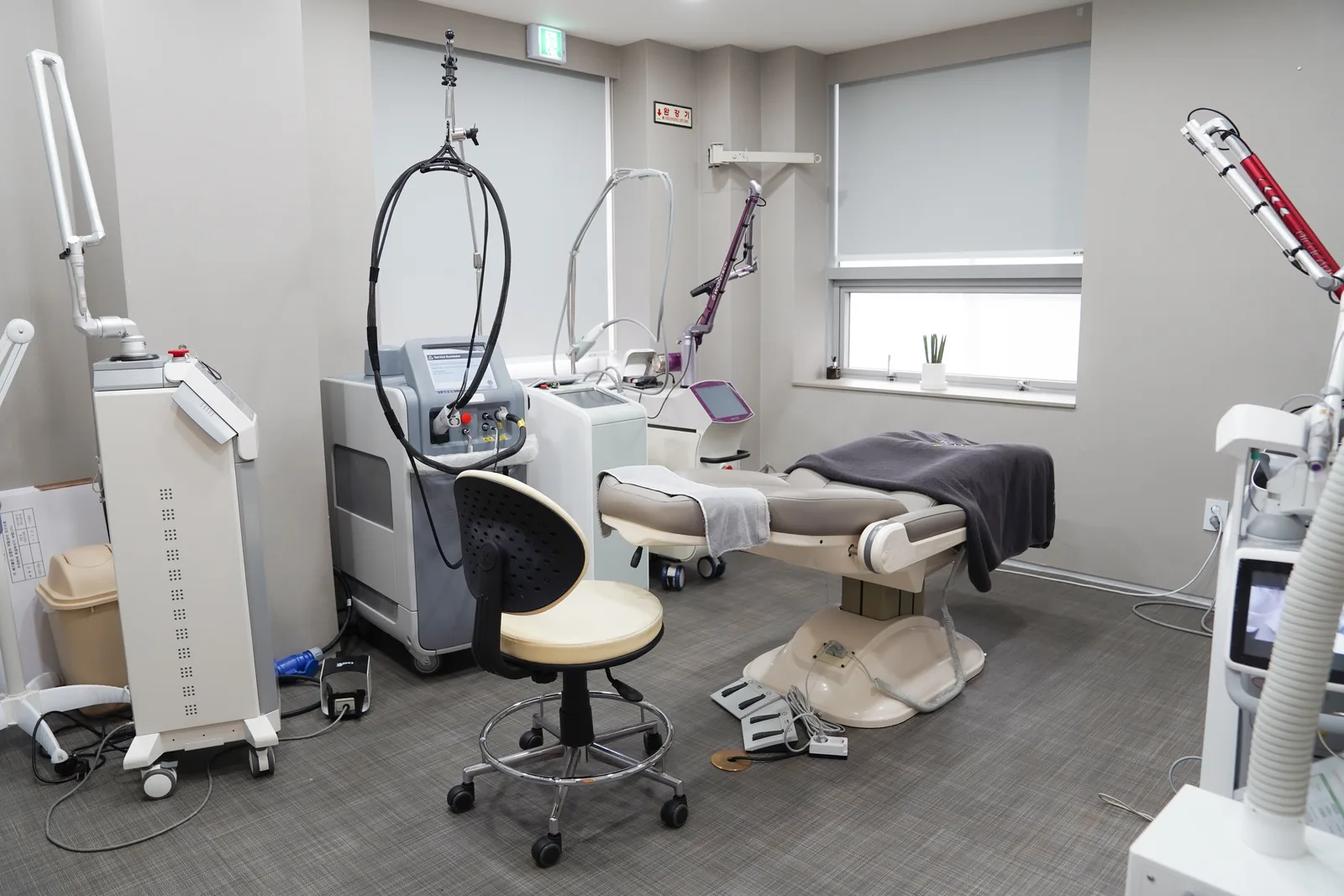
Imaging that identifies a deep structural issue is worthless in a clinic that owns one machine, because the reading has nowhere to go. Lifting, laser and pigment work, toxin, filler, boosters and body treatment are all held on two floors here and all published on one card. The practical consequence is that a capture is allowed to move the plan into a category you had never heard of.
Three-dimensional capture under five light sources with AI analysis happens before a treatment is named and before a figure is quoted. The order is the whole point of the step. Where a clinic scans after the sale, the images can only confirm; where it scans before, the images are permitted to contradict.
Treatment here is director-performed, so the reading, the plan and the hand are the same person. Nothing is lost in a handover.

Director-performed treatment is a Dear promise — your procedure is planned and performed by the doctors below.





Real verified reviews from our Google Business Profile.
4.9★★★★★ 310 Google ReviewsThe clinic was very professional from start to finish. Doctor Jung was excellent and gentle with the treatment. I felt well looked after and everyone was outstanding. Happy with my service!
I've visited clinic for LDM procedure. I don't speak Korean, so there was an interpreter who assisted me while consulting. The staff was very attentive, they asked me every time before applying products/covering my face during the procedure and it went smoothly. Planning to visit the clini…
All the staff are kind, the doctor is professional. They recommended us the treatment that fit us best and last the longest. A very nice experience overall.
I did a hydrofacial, white/black head removal, and 1 day lasers. Really kind staff and reasonable prices. The only thing I would advise is that your first consultation is with a salesperson and you don’t see the doctor until after you decide what you want and after you pay.
Had a great experience here as a foreigner! The doctors and staff were knowledgeable, friendly, and not pushy. They made recommendations in my consultation and were happy to work within my budget.
Send two daylight photographs and a sentence about what bothers you, and a written English reply will tell you whether a capture and consultation is the right first appointment.
No published trial evaluates an imaging unit as a route to better outcomes, and this page claims none. The literature below concerns the treatments a reading commonly points towards: what microfocused ultrasound does at the deep plane, including histological work in Asian skin; what repeated low-fluence 1064 nm treatment can cost in pigment terms; and how polynucleotide material behaves by delivery method.
Each entry resolves to a DOI in an indexed journal. Whether any of it applies to your face is a clinical judgement made in person, after your capture.
References are provided for information — outcomes vary by individual and are assessed at your diagnosis.