Home
Doctors Pricing Paying FAQ Book a Consultation
ENES
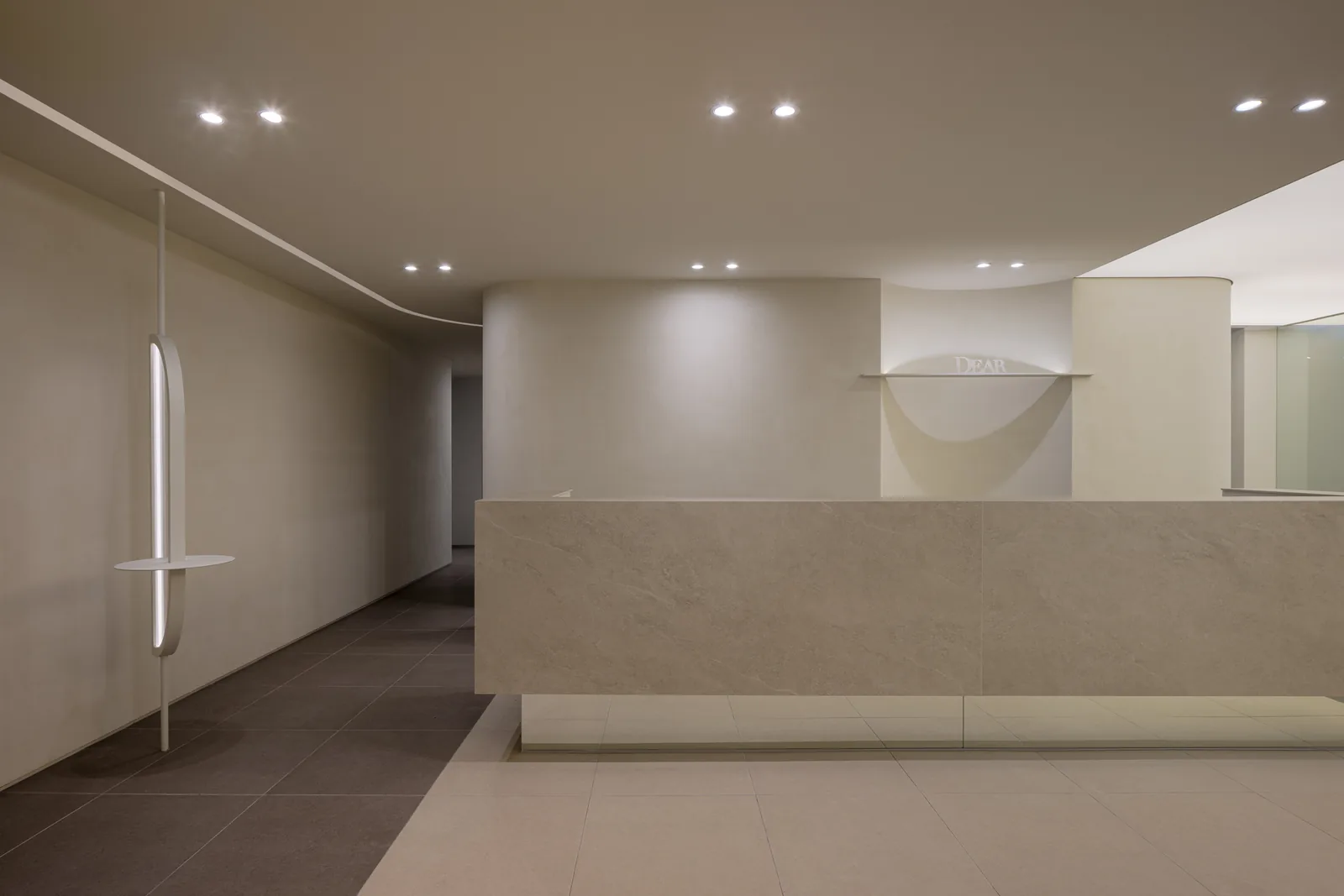
Reception desk at Dear Clinic in Cheongdam, Gangnam, Seoul, with the backlit DEAR sign on a curved plaster wall
Dear Clinic · Visiting Dear · Travellers
Travel Notes — Treatment While You Are Visiting Korea

Skin Treatment on a Tourist Visa in Cheongdam, Gangnam, Seoul

What a Cheongdam clinic asks a visiting patient for, how a plan is shaped around the days you actually have, and how a published rate card reads when you are paying in a currency you do not live in.

Foreign patient registration M-2024-01-08-8131 English consultation every day Open 365 days
Book a Consultation Plan the Trip
The Short Answer

What a Cheongdam clinic asks of you when you are here as a traveller

Aesthetic appointments are made by travellers all the time, and a short cosmetic visit is an ordinary part of a Seoul itinerary. What we ask for is photographic identification, an accurate medical history and your informed agreement to a written plan. Entry requirements are a separate matter and belong to your own government and to Korean immigration, so check your country's rules before you book flights.

Nothing on this page is immigration advice, and we do not interpret entry categories, permitted stays or documentation for anyone. The medical side is what we can speak to, and on that side your status as a visitor changes very little: the examination, the refusals and the aftercare are the same ones a patient living two streets away receives.

Dear Clinic holds Korea's foreign patient care registration, number M-2024-01-08-8131. That registration is what places an international patient inside a documented system here, and it is printed at the foot of every page on this site so that it can be checked.
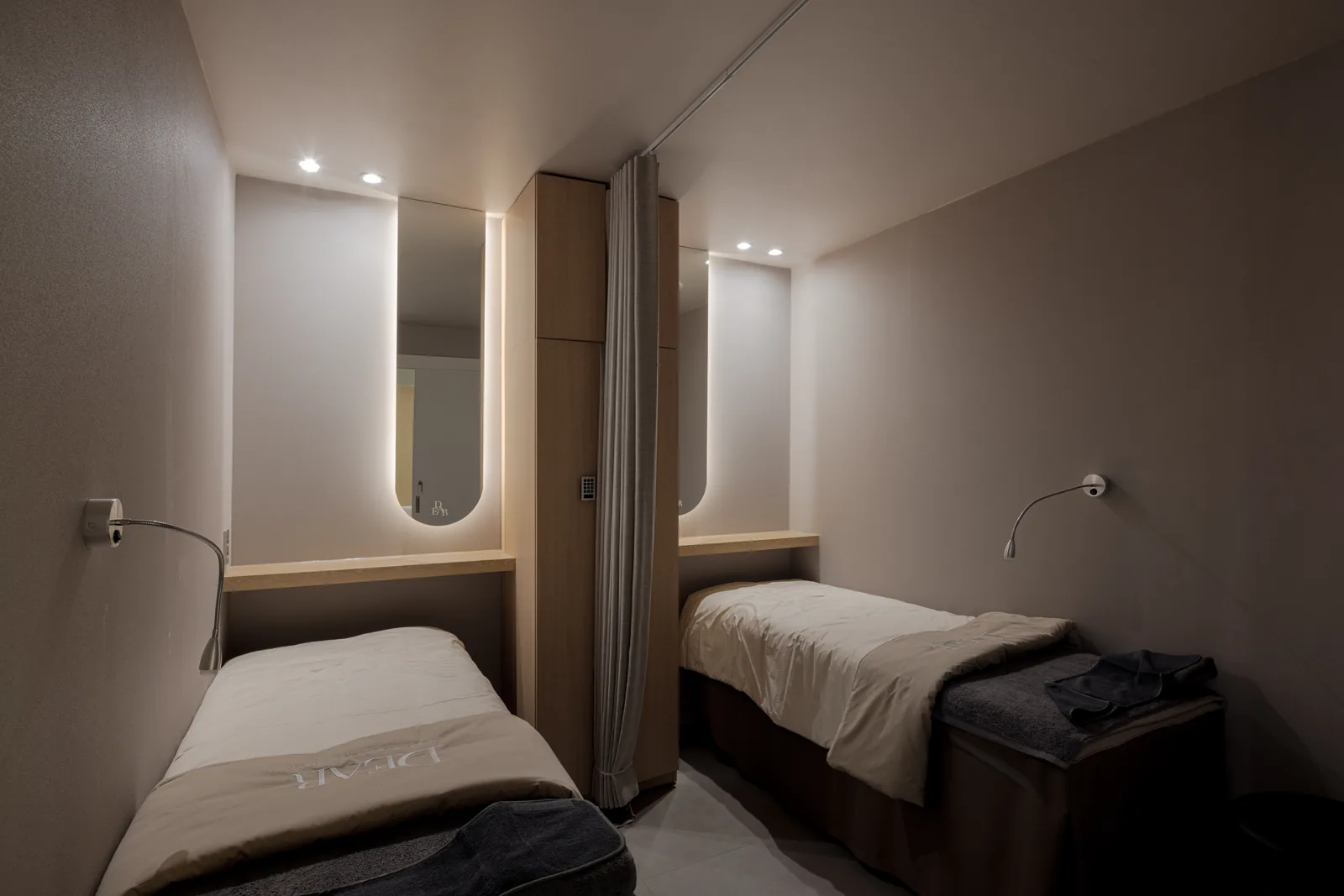
Twin recovery room with two beds and backlit arch mirrors at Dear Clinic Cheongdam
Recovery space is part of the appointment for a visitor, because the next stop is usually a hotel and not a home.
Paperwork

Four things a visiting patient needs, and one thing nobody asks you for

The administrative side of a first appointment, set out so a traveller can prepare it on the plane.

ITEM 01

Photographic identification

A passport is the usual document. It establishes who is being treated and is required before any procedure, which is the same standard applied to every patient who walks through the door.

ITEM 02

An accurate medical history

Current medication and supplements, allergies, anticoagulants, keloid tendency, recent isotretinoin, and whether you are pregnant or breastfeeding. Incomplete answers change what can safely be done, and they are asked before every treatment.

ITEM 03

A plan you have read and agreed to

The itemised plan is confirmed with you before anything begins, in English. Consent given through a language barrier is not consent, which is why the consultation is held in a language you can push back in.

ITEM 04

A way to reach us after you fly

An email address or a messaging handle that works from your own country. Aftercare questions arrive from abroad regularly, and a contactable patient is a patient who can be answered.

The thing nobody asks for: a Korean resident registration number, a local phone number or a deposit to hold a slot. A booking is confirmed on your name and your dates, and payment happens at the clinic after the plan has been agreed.

Sequencing

Fitting treatment into the days a trip to Seoul actually gives you

Recovery decides the calendar, so the calendar is read before the treatment is chosen.

Put the appointment near the beginning of the stay. Redness, swelling and bruising are at their most obvious in the first days. Days remaining in Korea after a procedure are what allow a review, and a procedure booked for the final evening leaves none.
Let the plan be read against your departure date. Send arrival and departure dates with your first message. The reply will say which routes fit the window and which we would ask you to leave for a later visit, before a flight is built around them.
Treat flights as part of the medical picture. Cabin air, immobility and no doctor on board are the reasons timing matters. Flying after a filler injection and treating before the flight home set out how we sequence around a departure.
Accept that some plans are courses. Regenerative boosters and pigment toning are bought as sequences, and a single session on a single trip is a partial course by definition. That is said out loud at the consultation so it is priced and understood as one.
Keep the rest of the itinerary in view. Saunas and jjimjilbang, strong sun, hard exercise and alcohol come off the schedule for a period after most treatments, and your director sets that period for your plan.

Whether the treatment happens on the day you consult is a question of suitability and time, and our same-day page separates what fits one visit from what we stage. Where a trip is too short for a route to be delivered safely, we do not recommend it for that trip and write it into a plan you can bring back.

Language

Consultation in a language you can disagree in

The clinical conversation, and not only the booking, is held in English.

The doctor, not only the desk. A director examines you, reads the scan aloud and explains the trade-offs. Coordination support handles booking and forms around that, and the difference matters because the trade-offs are where a decision is actually made.
Written before spoken. Send your questions through the consultation form and a written English reply follows as soon as possible. A written answer can be re-read on a plane, forwarded to someone at home, and held up against what is said in the room.
Spanish is published too. The site carries a Spanish edition. Say in your first message which language you would like the consultation held in and we will confirm what can be arranged for your date before you book anything.
Aftercare instructions leave with you in English. So do the answers to what happens if something changes once you are home, which is the question travelling patients ask most and worry about longest.
On the Card

Three published lines that a visiting patient's plan often opens with

Each answers a different complaint, and each carries its own page and its own rate.

RouteThe complaint it answersWhat a trip should allow forListed rate
Ultherapy Prime, 100 shotsA lower face whose outline has softened, treated with imaging-guided focused ultrasound at 1.5, 3.0 and 4.5 mmTenderness along the treated lines and an ache on chewing for a few days; the visible change builds after the trip has ended₩400,000 (≈ $285)
Rejuran Healer, 2ccSkin quality — texture, resilience and fine crepe — addressed by polynucleotide injection into the skinSmall raised points and possible bruising at injection sites in the first day or two, which photographs badly and settles₩300,000 (≈ $215)
Dual laser toning, 1 sessionUneven tone and dullness, worked at low fluence and planned as a courseMild flushing on the day; the published evidence treats repetition and its limits seriously, so one session is one instalment₩200,000 (≈ $145)

These are illustrations of how a visiting plan tends to open, and your own is built from the scan. The complete card is on the published price list, and the lifting, skin booster and laser category pages explain each family in full.

Paying

Paying as a visitor,
and how to read the card before you arrive

One rate card applies to everybody. A visiting patient pays the same published figures as a Korean patient, with no foreigner rate, no weekend loading and no public holiday loading. Settlement is in Korean won; a dollar figure printed beside a rate on this site is an orientation aid and moves with the exchange rate.
Card payment is taken at the clinic. Nothing is charged before the consultation, and no deposit is required to reserve a slot from abroad.
Most plans combine several units, so a quote is assembled line by line from the published card once the scan has been read.
Where a featured programme banner states that a figure excludes VAT, ask at the consultation and the final figure is confirmed to you in writing before you agree to it.
A plan that changes on the day is re-agreed and re-priced first. Nothing reaches the counter that you have not already seen.

If you want an indicative figure before the flights are booked, send your interests and your dates. The reply is built from the same published card, and the exact total is settled after the in-person scan, because a number produced before anyone has examined your skin is a guess dressed as a quote.

Dear, Knowhow

What a traveller gets here that a short trip usually costs them

01 — THE FULL ARSENAL

Six categories on two floors, so one journey covers the exam

Lifting, injectables, boosters, pigment lasers, acne work and body routes are all stocked across 5F and 7F. A visitor with one free afternoon gets the whole examination in one building, and no console needs the booking enough to bend the advice.

02 — DIAGNOSIS FIRST

EVE Muse 3D imaging runs before the trip is priced

Three-dimensional capture under five light sources with AI analysis reads pigment, texture, elasticity and vascular tone. A short stay does not shorten that step; it is what makes a plan for the remaining days honest.

03 — DIRECTOR-PERFORMED

The doctor who reads your scan performs the treatment

There is no handover between adviser and operator, which is the step where a travelling patient's plan most often grows. The same director takes the review while you are still in Seoul.
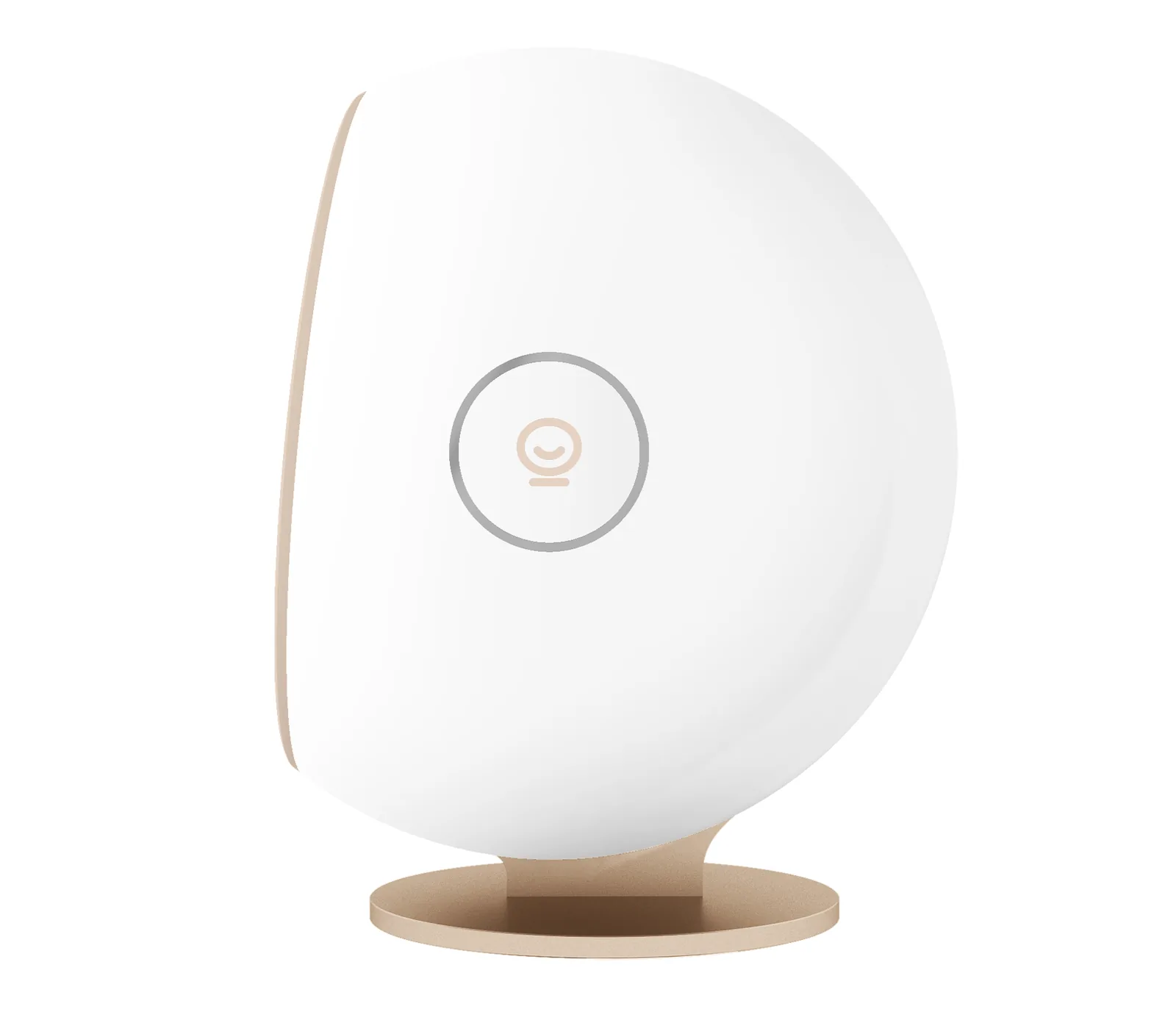
EveLab Insight skin analysis device closed, side profile, used for the EVE Muse reading at Dear Clinic
The reading is the first appointment of every plan, for residents and for visitors alike.
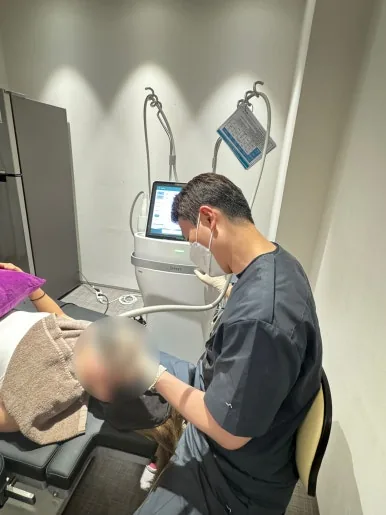
Treatment in progress in a device room at Dear Clinic Cheongdam
The room where the plan is carried out by the doctor who wrote it.
In the clinic

The devices and hands behind this treatment

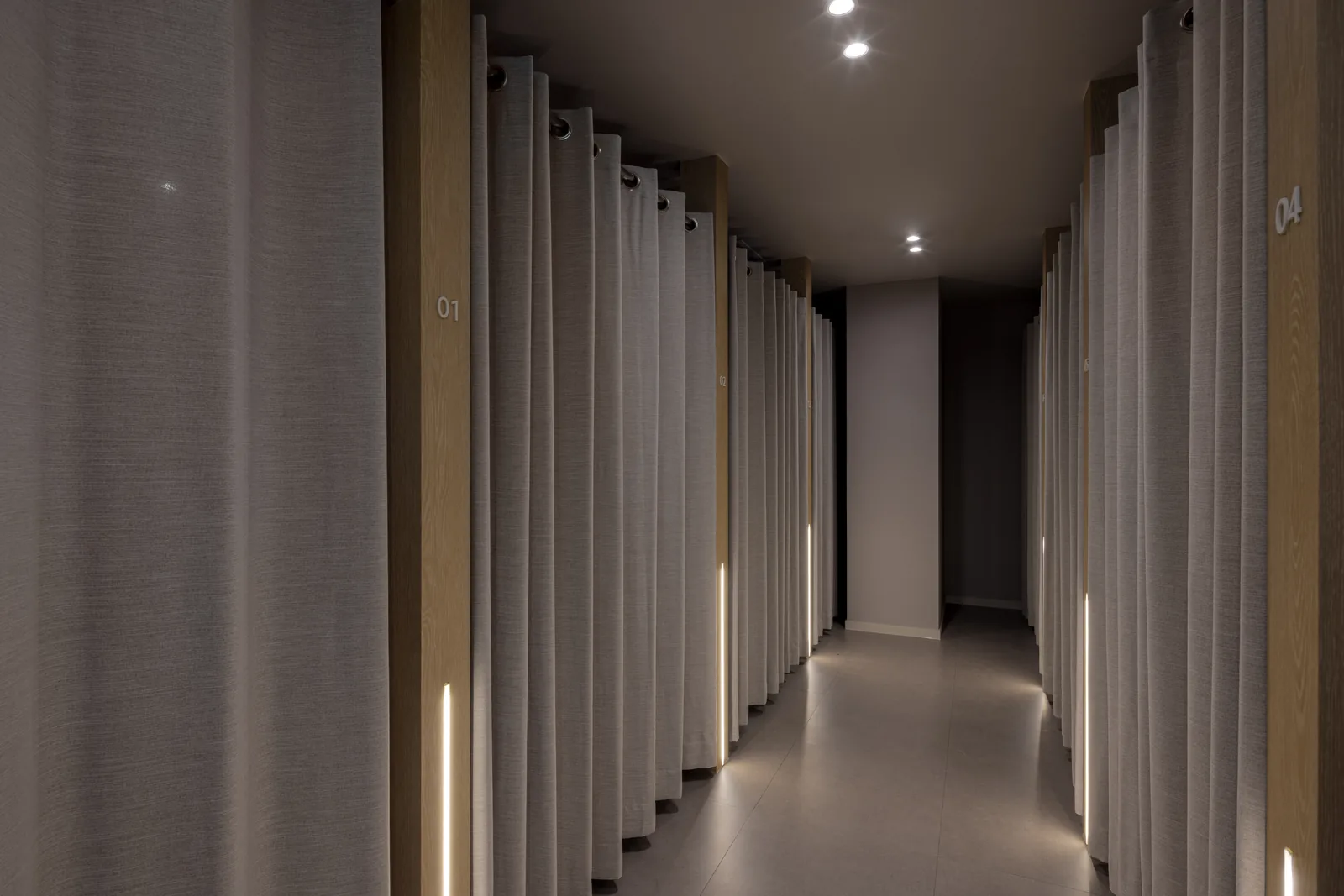
Private curtained treatment bays at Dear Clinic Cheongdam, each numbered and separately lit
Where a visitor checks the face before heading back into the city
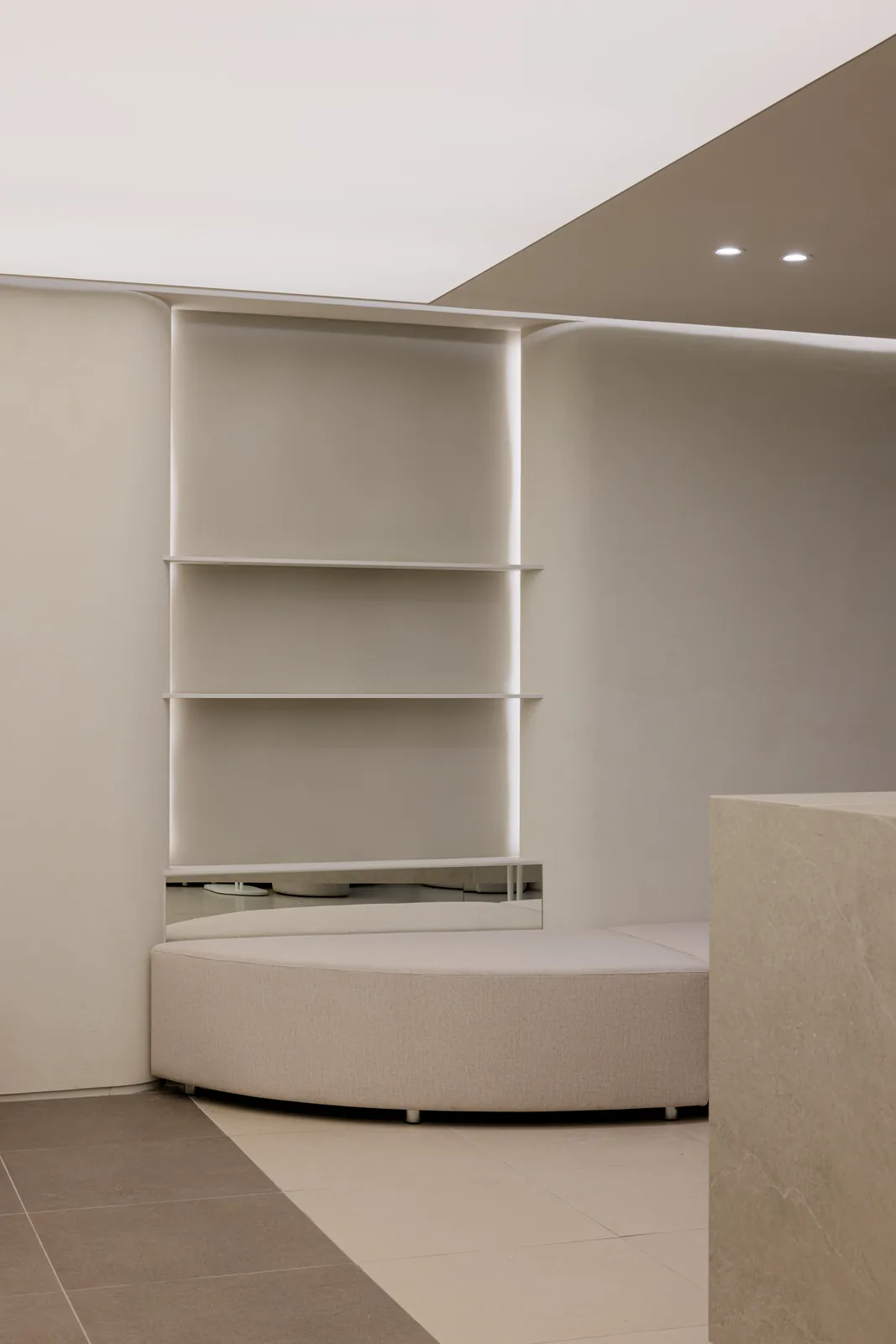
Curved shelving niche with a round bouclé ottoman at Dear Clinic Cheongdam
The waiting corner between the scan and the consultation
Caution

What a short stay changes about recovery and aftercare

Bruising and swelling keep their own schedule. They do not shorten for a flight, a wedding or a dinner reservation. Every injectable route carries them as expected outcomes, and the days they occupy are named at the consultation before you agree to anything.
Heat and sun are the two most easily broken rules on a trip. Saunas, jjimjilbang, hot yoga and a beach on the next leg all press on freshly treated skin. Sunscreen is daily, and particularly so after pigment work, where sun exposure can undo a course.
The named risks apply regardless of how long you are here. Bruising, swelling, redness, tenderness, temporary numbness, and less commonly a burn, a nodule, infection, asymmetry or a pigment change. Each route carries its own list, given to you at the consultation.
Some conditions postpone or rule out a session. Active infection or inflammation in the treatment field, pregnancy and breastfeeding, certain implanted devices, anticoagulants and recent isotretinoin. Disclose them at booking, since one of them can change the whole shape of a trip's plan.
Report changes from home, immediately. Spreading redness, increasing pain, blistering, a lasting colour change or numbness that does not resolve means messaging us at once and seeing a doctor where you are if we advise it. Comfort measures during a session are confirmed at your consultation.

No duration figure is published here for how long any result holds, because that turns on age, skin, sun history and the route taken. Your director gives a conservative expectation and a review point instead of a number of months.

Medical Team

Five doctors, one standard

Director-performed treatment is a Dear promise — your procedure is planned and performed by the doctors below.


Dr. Jemin Kim — Medical Director and Founder, Dear Clinic
Dr. Jemin Kim
Yonsei University College of Medicine
Medical Director · Founder
Dr. Sanghyun Lee — Director, Dear Clinic
Dr. Sanghyun Lee
Seoul National University College of Medicine
Director
Board-certified · Family Medicine
Dr. Seonhaeng Lee — Director of Aesthetic Medicine, Dear Clinic
Dr. Seonhaeng Lee
Chosun University College of Medicine · Residency, Samsung Medical Center
Director, Aesthetic Medicine
Dr. Daeun Jung — Director, Dear Clinic
Dr. Daeun Jung
Ajou University College of Medicine
Director
Board-certified · Family Medicine
Dr. Woojae Jung — Director of Aesthetic Medicine, Dear Clinic
Dr. Woojae Jung
Seoul National University — B.S. in Medicine
Director, Aesthetic Medicine
Patient Reviews

What our patients say

Real verified reviews from our Google Business Profile.

4.9★★★★★ 310 Google Reviews
FAQ

Treatment while visiting Korea, question by question

Can I have a skin treatment in Cheongdam while visiting Korea as a tourist?
Short cosmetic visits are routinely made by travellers, and clinics here are used to seeing them. What we ask for is photographic identification, an accurate medical history and your agreement to a written plan. Entry rules belong to your own country and to Korean immigration, so check those before booking flights; we do not advise on them.
Do I need a medical visa for an aesthetic appointment?
That is an immigration question, and we are not the right people to answer it. Check your own country's entry arrangements with Korea before you travel. On the clinical side, nothing about a consultation, a scan or a treatment depends on which entry category you arrived under.
What documents does the clinic itself need from me?
A passport or other photographic identification, and a complete account of medication, supplements, allergies, anticoagulants, keloid history, recent isotretinoin and whether you are pregnant or breastfeeding. No Korean resident registration number and no local phone number are required, and no deposit is taken to hold a slot.
Is the clinic registered to treat international patients?
Yes. Dear Clinic holds Korea's foreign patient care registration, number M-2024-01-08-8131, which is printed in the footer of every page here. English consultation and coordination run on every day the clinic is open, which is all 365 of them.
How many days should I leave in Korea after a treatment?
Enough for the visible part to settle and for a review to be possible while you are still in the city, which is why we ask for arrival and departure dates at booking. The exact number depends on the route, and your director names it for your plan. A procedure booked for the final evening of a trip leaves no room for either.
Do visitors pay more than Korean patients?
No. One published card applies to everybody, with no foreigner rate, no weekend loading and no public holiday loading. Settlement is in Korean won, and any dollar figure beside a rate on this site is an orientation aid that moves with the exchange rate. Card payment is taken at the clinic after the plan is agreed.
Can I get a tax refund on treatment as a tourist?
We make no refund claims on this page. What we can tell you is how your own figure is arrived at: where a featured programme banner states that a rate excludes VAT, ask at the consultation and the final figure is confirmed to you in writing before you agree to it. Anything beyond that should be checked with the relevant authority.
What do the routes visiting patients start with cost?
Three examples from the published card: ₩400,000 (≈ $285) for 100 shots of imaging-guided focused ultrasound, ₩300,000 (≈ $215) for 2cc of a polynucleotide booster, and ₩200,000 (≈ $145) for a dual laser toning session with skincare. A full plan is itemised from the same list once your scan has been read.
Will the doctor speak English, or only the coordinator?
The consultation is with a director who examines you, reads the scan aloud and explains the trade-offs in English. Coordination support sits alongside for booking, forms and aftercare notes. The person who treats you is the one who advised you, which is what director-performed care means here.
What if a treatment is not right for my trip?
Then we say so and write it into a plan you can bring back. Courses and sequenced combinations in particular are poor value squeezed into a few days, and where the recovery a route needs does not fit your window, we do not recommend it for that trip. The refusal is given before you have paid for anything.
Can I ask questions from abroad before I fly?
Yes, and it is the better way to use the trip. Send your dates, your history and what is on your mind through the consultation form; a written English reply follows as soon as possible and says whether what you are asking about is realistic for the days you have. Nothing is committed by asking.
What happens if something worries me after I get home?
Message us. Aftercare instructions leave with you in English, and follow-up does not stop at departure. Describe what you are seeing and when it began, and you will be told whether it is expected, what to do about it, and at what point you should be seen by a doctor where you live.
Consultation

Send your travel dates and we will tell you what fits

Your questions, answered in English as soon as possible.

Scientific Evidence

Peer-reviewed work behind the routes a visiting plan opens with

The four entries below are indexed studies of the technologies named in the table above: micro-focused ultrasound for tightening, polynucleotide injection, and low-fluence pigment laser work assessed over the long term.

Each carries title, journal, year and a verifiable DOI. None of them is evidence of an outcome for your own skin, and none of them speaks to travel or entry requirements.

  1. Khan U, et al. A Systematic Review of the Clinical Efficacy of Micro-Focused Ultrasound Treatment for Skin Rejuvenation and Tightening. Cureus. 2021. doi:10.7759/cureus.20163
  2. Fabi S, et al. Evaluation of microfocused ultrasound with visualization for lifting, tightening, and wrinkle reduction of the décolletage. Journal of the American Academy of Dermatology. 2013. doi:10.1016/j.jaad.2013.06.045
  3. Hong J, et al. Therapeutic Performance of Needle Injection Versus Needle‐Free Jet Injector System for Polynucleotide Filler in Skin Rejuvenation. Journal of Cosmetic Dermatology. 2024. doi:10.1111/jocd.16595
  4. Gokalp H, et al. Long‐term results in low‐fluence 1064‐nm Q‐Switched Nd:YAG laser for melasma: Is it effective? Journal of Cosmetic Dermatology. 2016. doi:10.1111/jocd.12253

References are provided for information — outcomes vary by individual and are assessed at your diagnosis.

Book WhatsApp Call