

★★★★★
The clinic was very professional from start to finish. Doctor Jung was excellent and gentle with the treatment. I felt well looked after and everyone was outstanding. Happy with my service!
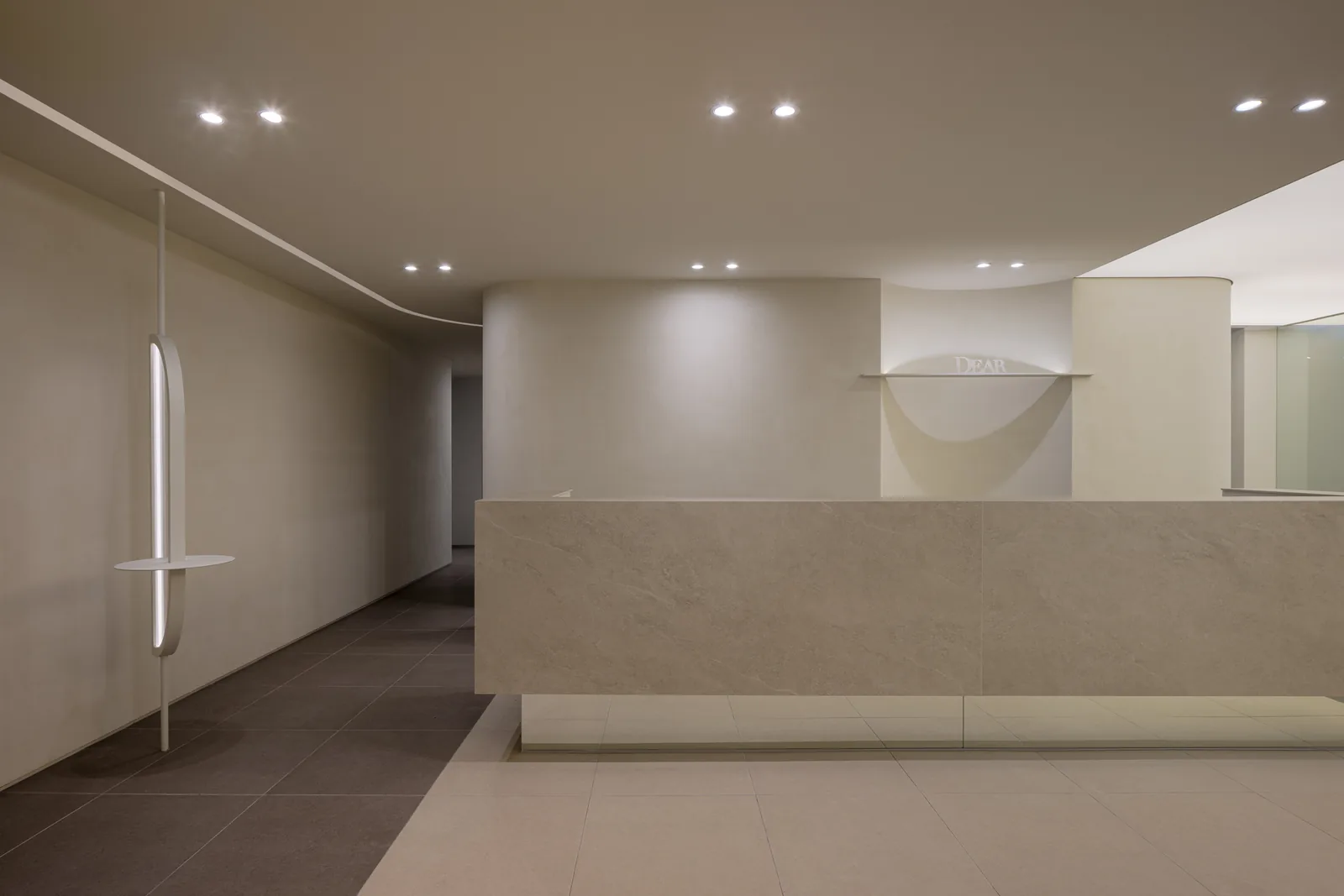
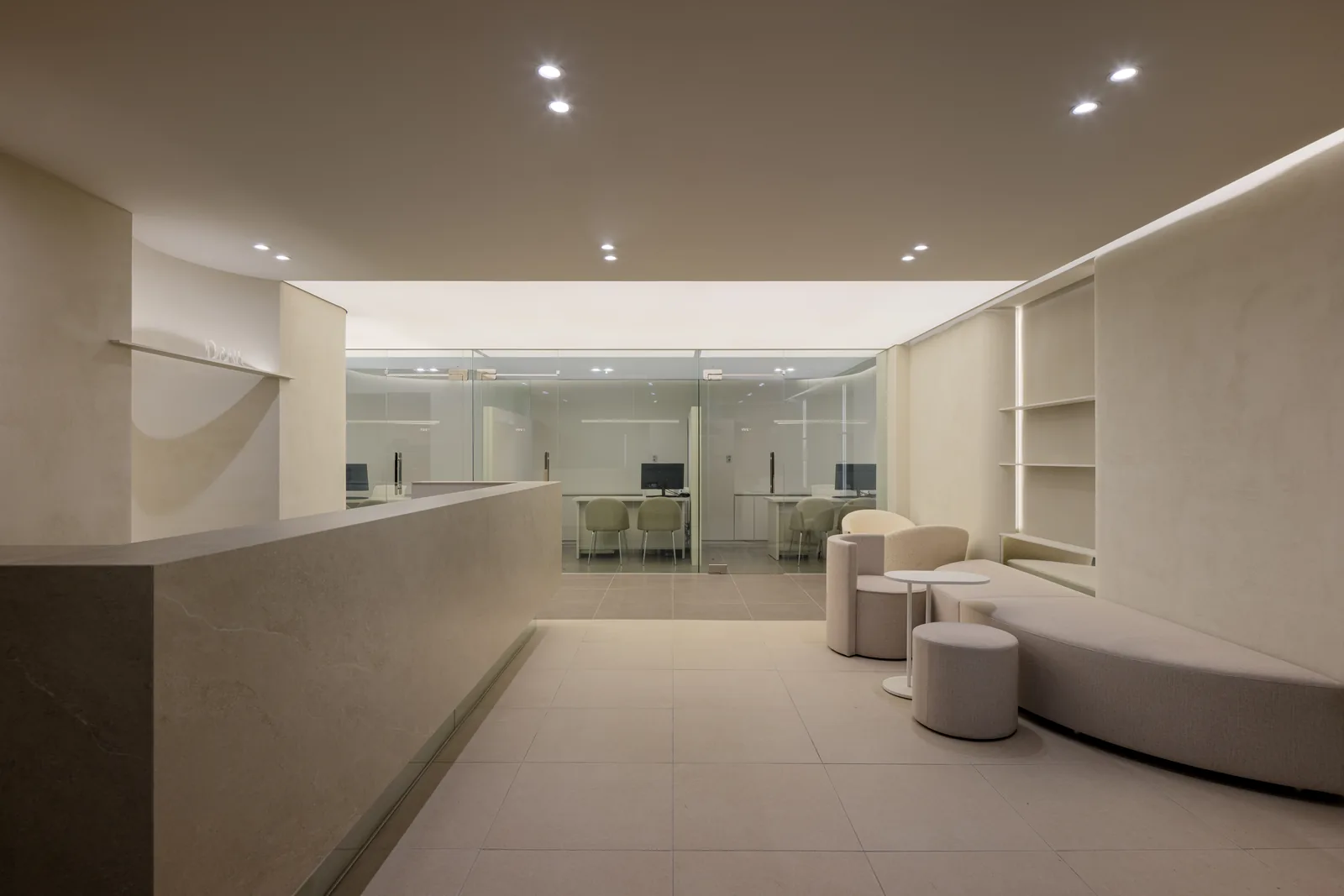
This page describes one clinic in Cheongdam and what a first appointment there actually involves: the order the visit runs in, how the published figures work, what to bring, and the treatments a first visit most often starts with. It is written for someone who has never walked into a Korean skin clinic and would like to know what happens before they do.
Most first-time nervousness is about two unknowns. The first is whether a number will be invented on the spot once somebody has looked at your face. The second is whether you will be steered into a longer list than you came for. Both are structural worries, and both are answered by the order the appointment runs in.
The scan is taken before any figure is discussed. The rates are published, and the same list applies whether you live in Seoul or landed yesterday. The plan is written down, priced line by line, and you agree to it before anything is prepared. None of that makes a first visit effortless, but it removes the part that people find hardest to judge from outside.
What this page deliberately avoids is any claim about what clinics anywhere else do. It describes this building, its published card and its own way of working, and that is the only thing it can honestly describe.

Each stage exists to settle something before the next one can start. Read them as a sequence of decisions instead of a list of services.
Describe the thing that bothers you in your own words and attach two photographs taken in daylight without makeup. Add your dates if you are travelling, and say if a treatment name is already in your head. A written reply in English comes back with a realistic read, including when the answer is that the treatment you named is the wrong one.
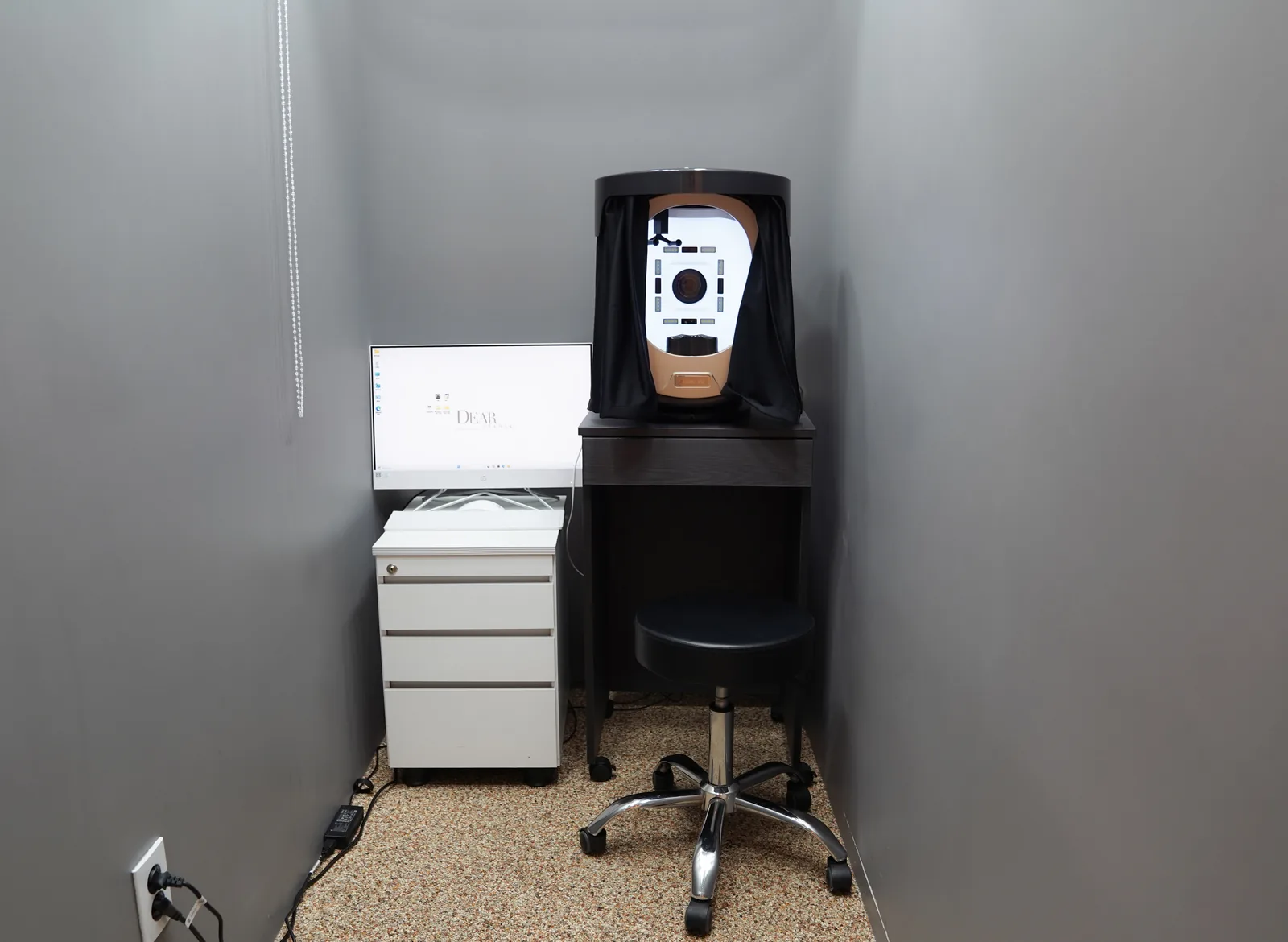
Three-dimensional capture under five light sources with AI analysis produces a reading of pigment, texture, pores and redness. You see the images. The reason this comes first is commercial as much as clinical: a plan built on a measurement is one you can argue with, and a plan built on a glance is not.
Your medical history, medication, allergies and previous procedures go on the record at this point. Then the plan is written: which treatment, which area, how many sessions, and the figure for each line taken from the published card. Ask what a line does and what happens if you skip it. Those two questions are the best use of the consultation.
Where everything agrees, the director who read your scan performs the treatment in the same visit and gives you written aftercare before you leave. Where the reading points at a different treatment, where your skin is inflamed, or where the sensible sequence starts with something else, you leave with a written plan and nothing done. That is a normal outcome and not a wasted appointment.
A passport or residence card, and a photograph of your current prescriptions and supplements on your phone. Include anything taken for acne, anything that thins the blood, and hormonal medication. None of it disqualifies you by itself; a gap in it changes what can be recommended safely.
Dates of any toxin, filler or laser work in the past two years, even approximate ones. Say whether you scar, whether you keloid, and whether marks linger after a spot heals. Say if you are pregnant or breastfeeding. This is the information that changes a plan most and that people most often leave out.
Strong actives and recent sun both change what can be done on the day. If you have used a retinoid or an exfoliating acid in the past week, or come back from somewhere sunny, say so at booking so the date can be planned around it instead of the visit being cut short.
Consultations are held in English and Spanish-language support is available, so you will not be negotiating your own skin through a translation app. The part worth preparing for is vocabulary, not fluency: product names, device names and treatment names travel between languages badly, and the same material is sold under different names in different countries.
The way around that is to describe the result you want and the thing that bothers you, and let the scan and the director name the route. Written aftercare instructions are given in English before you leave, for the treatment you actually had. If a word in the plan is unfamiliar, ask for it to be written down; you will want it later.
| Category | A line from the published card | Unit | Listed rate |
|---|---|---|---|
| Pigment | Dual laser toning, low-fluence passes with the in-clinic skincare step | 1 session | ₩200,000 (≈ $145) |
| Toxin | Full-face skin botox, placed superficially, Korean tier | Full face | ₩150,000 (≈ $105) |
| Booster | Rejuran Healer, a PDRN booster planned as a course | 2 cc | ₩300,000 (≈ $215) |
| Booster | Juvelook, a PDLLA and hyaluronic acid hybrid for gradual collagen stimulation | 1 cc | ₩100,000 (≈ $70) |
| Filler | The Chaeum hyaluronic acid filler, placed by anatomical layer | 1 cc | ₩130,000 (≈ $95) |
| Lifting | Ultherapy Prime focused ultrasound with DeepSEE™ imaging | 100 shots | ₩400,000 (≈ $285) |
| Lifting | Thermage FLX monopolar radiofrequency with AccuREP™ | 600 shots | ₩1,900,000 (≈ $1,355) |
| Body | Onda Coolwaves™ microwave body contouring | 80 kJ | ₩650,000 (≈ $465) |
Eight lines out of a long card, chosen to show the range a first-time patient is reading across. Note how the units differ: a session, a full face, a cubic centimetre, a block of shots, a kilojoule figure. Comparing two clinics on headline numbers without comparing units is the commonest way to misread a quote. Imported toxin and premium product tiers exist on their own lines. Published rates as of September 2026, and every figure held here is on the transparent price list.
Three routes come up repeatedly for someone with no history of treatment, because each is low-commitment, reversible in effect and easy to judge afterwards.
| Starting route | What it addresses | What a first-timer should understand |
|---|---|---|
| Low-fluence laser toning | Pigment pattern and overall evenness, worked at low energy over repeated visits | One session is the opening of a course, which is why it is priced by the session. The number of sessions is a medical decision, and published work reports mottled hypopigmentation after courses of low-fluence 1064 nm treatment, so the count is reviewed as it goes. |
| Skin botox | Botulinum toxin placed superficially across the face for texture and pore appearance | Nothing structural changes and the effect is temporary. It is a smaller commitment than a filler and a different proposition from wrinkle dosing in a single area. |
| Collagen boosters | Injected material that works gradually, including PDRN and PDLLA hybrid lines | Planned as a series and judged over weeks, never on the way out of the building. Aftercare asks for about a week without scrubs, exfoliation, alcohol or smoking. |
Lifting, laser and pigment, toxin, filler, boosters and body work are all held in this building and all published on one card. For a first-time patient that matters in a specific way: the recommendation can move to a category you had never heard of, and nothing has to be sent to a second address.
Five light sources, three-dimensional capture, and a reading you look at together. Someone with no frame of reference gains the most from this order, because it converts a conversation about what you think you need into one about what the images show. Where the reading argues against the treatment you arrived asking for, you hear that first.
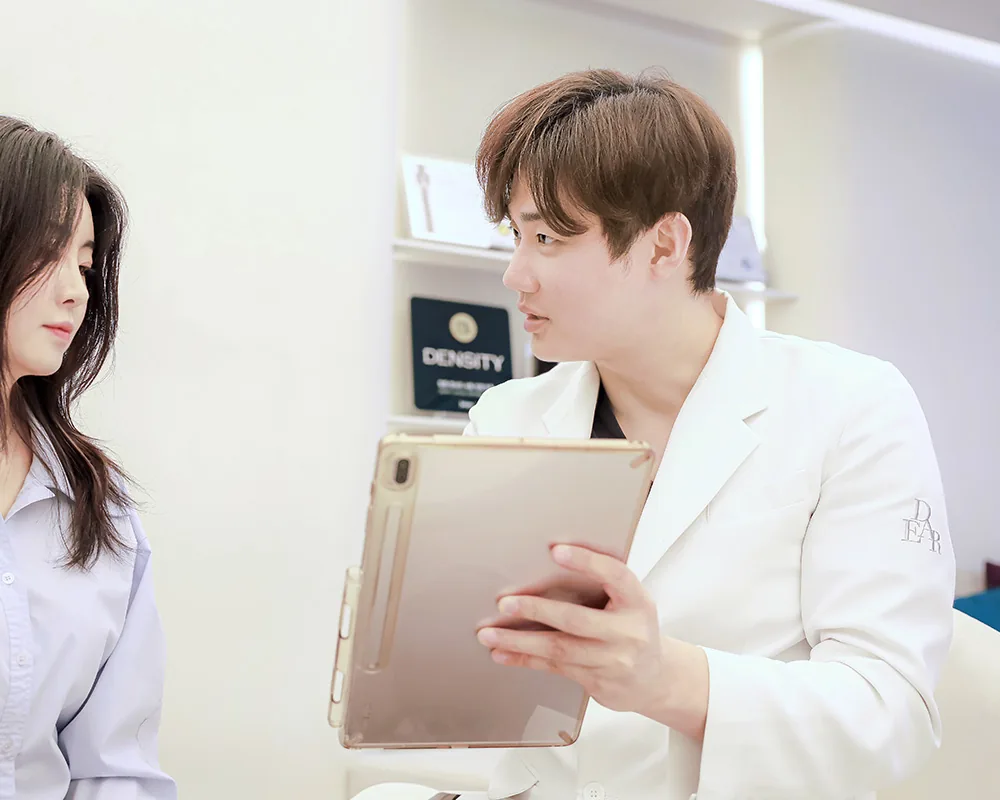
Your director performs the treatment personally and sees you at review, which is the continuity a first visit benefits from most.
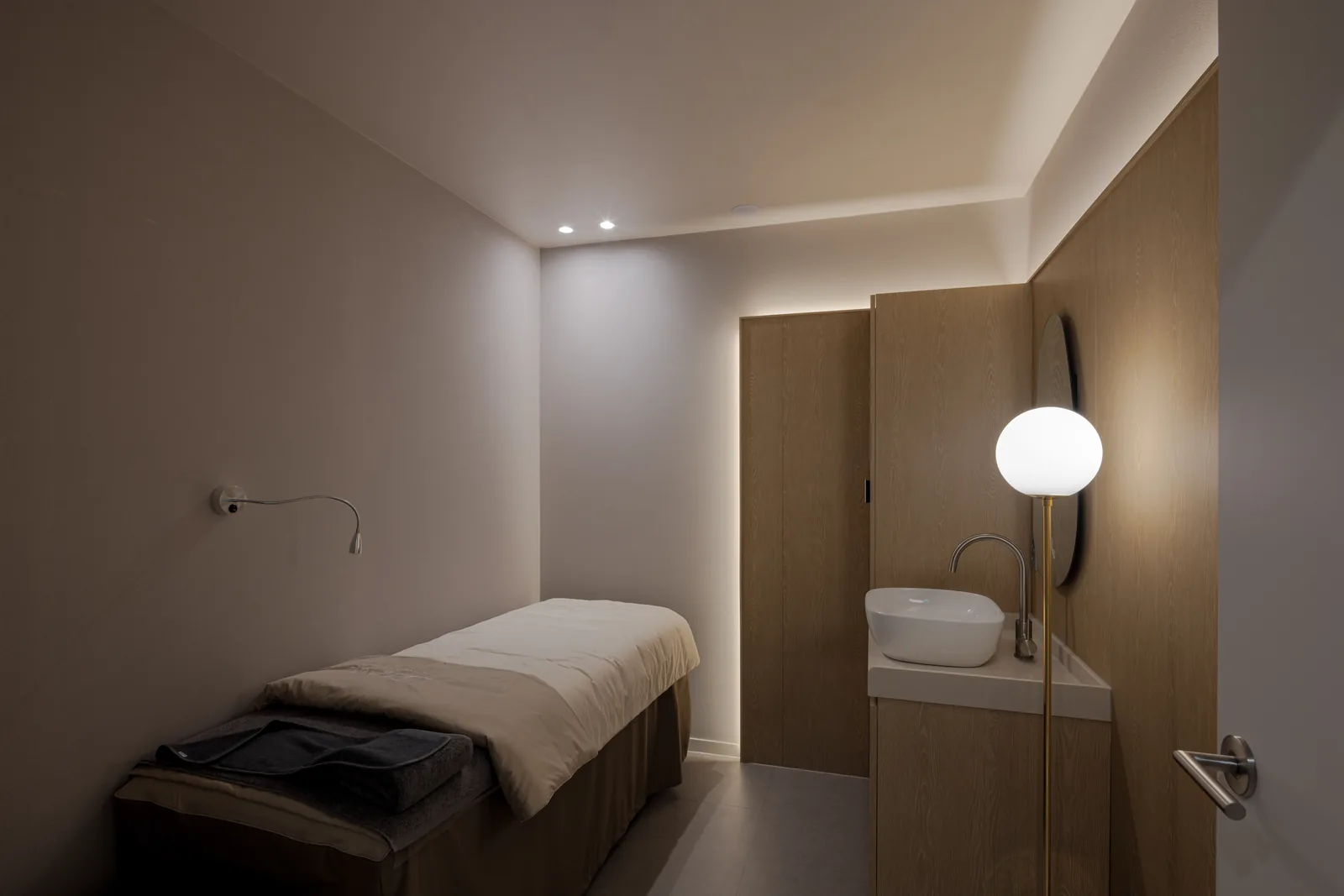
Director-performed treatment is a Dear promise — your procedure is planned and performed by the doctors below.





Real verified reviews from our Google Business Profile.
4.9★★★★★ 310 Google ReviewsThe clinic was very professional from start to finish. Doctor Jung was excellent and gentle with the treatment. I felt well looked after and everyone was outstanding. Happy with my service!
I've visited clinic for LDM procedure. I don't speak Korean, so there was an interpreter who assisted me while consulting. The staff was very attentive, they asked me every time before applying products/covering my face during the procedure and it went smoothly. Planning to visit the clini…
All the staff are kind, the doctor is professional. They recommended us the treatment that fit us best and last the longest. A very nice experience overall.
I did a hydrofacial, white/black head removal, and 1 day lasers. Really kind staff and reasonable prices. The only thing I would advise is that your first consultation is with a salesperson and you don’t see the doctor until after you decide what you want and after you pay.
Had a great experience here as a foreigner! The doctors and staff were knowledgeable, friendly, and not pushy. They made recommendations in my consultation and were happy to work within my budget.
Two daylight photographs and a sentence about what bothers you are enough to get a direct, written answer in English before you book anything.
No study describes a first appointment, and this page invents none. What the literature below covers is the material behind the three starting routes named above: how focused ultrasound tightening performs, including quantitative work in Asian skin, what repeated low-fluence 1064 nm treatment does for pigment, and where polydeoxyribonucleotide research currently stands.
Each entry resolves to a DOI in an indexed journal. Whether any of it applies to you is a clinical judgement made in person at your diagnosis.
References are provided for information — outcomes vary by individual and are assessed at your diagnosis.