Home
Doctors Pricing Rates FAQ Book a Consultation
ENES
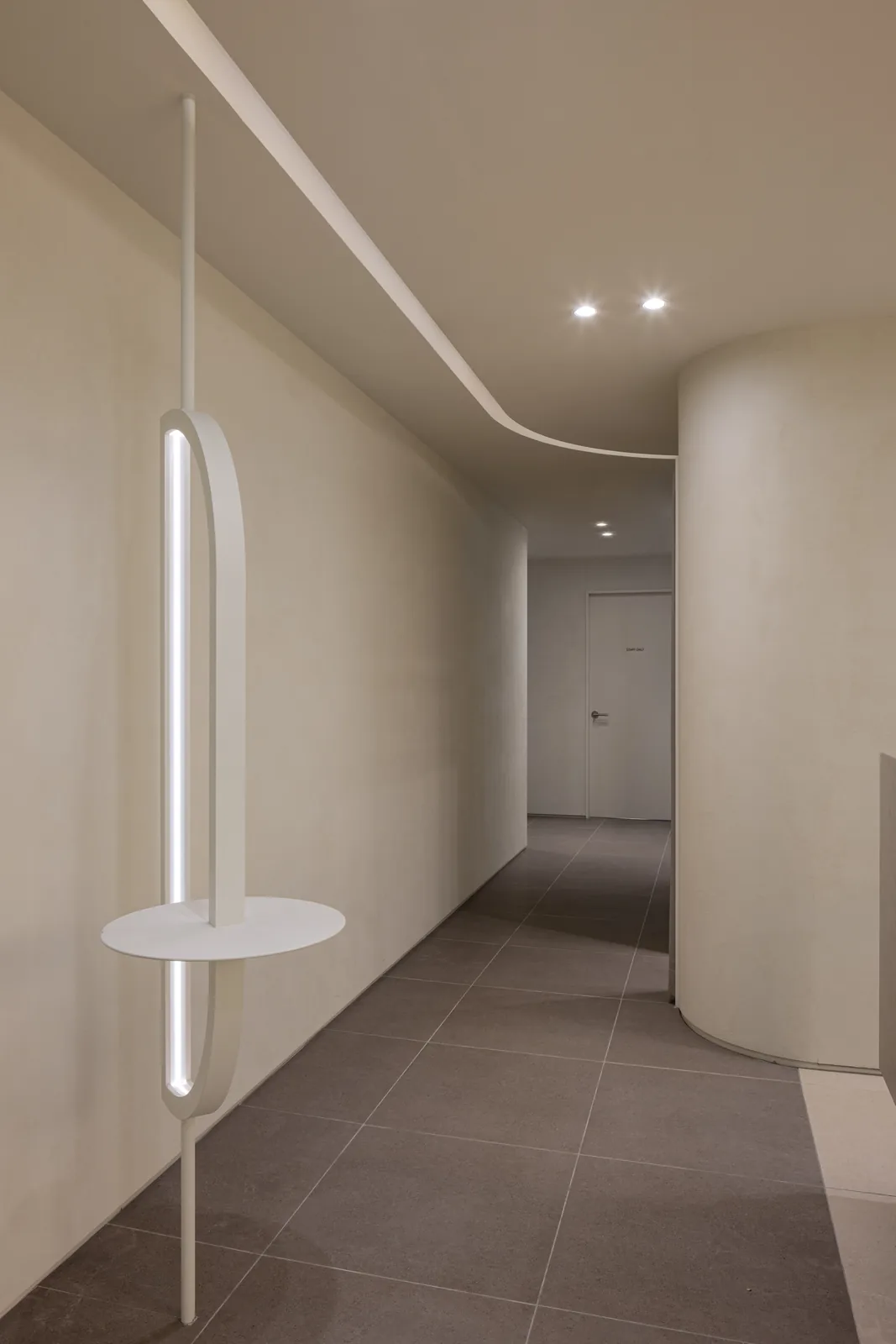
Ring-shaped wall light in a curved corridor at Dear Clinic Cheongdam, leading to the rooms where temple filler is planned
Dear Clinic · Filler · Temple Filler
Temple Filler

Temple Filler in Cheongdam, Gangnam, Seoul

A hollow temple pulls the lateral brow down and narrows the upper third of the face, so the eye reads tired before the skin does. Dear Clinic treats it with hyaluronic acid on the specialty-area line, or with a collagen-stimulating vial where the hollowing runs wide.

Specialty-area line Mapped vascular territory Director-performed injection
Book a Consultation Read The Safety Section
The Direct Answer

What temple filler corrects above the brow line

The temple is the soft depression between the lateral brow, the hairline and the upper edge of the cheekbone. When it empties, the brow tail loses its shelf, the bony arch beside it becomes prominent and the face narrows at the top. Filling it restores the width and the transition; it does not lift anything.

That distinction decides who benefits. Patients frequently arrive asking for an eye treatment because the outer brow has dropped, when the finding on the scan is a hollow beside it and nothing wrong with the lid. Restoring the platform beneath a brow tail changes how the whole eye region reads, which is why this small zone carries weight out of proportion to its size.

It is also one of the more demanding places on the face to inject. The temple carries named vessels in more than one plane and sits inside the mapped facial danger zones, so the technique here is conservative by design.

Why It Ages The Eye

Four things a hollow temple does to the brow and the eye line

None is a skin problem, which is why skin treatments do not fix them.

What is lostWhat it does to the faceWhat a plan targets
Support under the brow tailThe outer third of the brow sits on the temporal soft tissue. As that empties the tail descends and the eye opening looks shorter at its outer corner, which registers as tiredness.Volume placed to rebuild the shelf the brow tail rests on, so the arch regains its outward direction.
The soft transition to the cheekA full temple flows smoothly into the upper cheek. A hollow one creates a step, and the bony arch below it starts to read as a ridge instead of a contour.Continuity across the transition. The aim is a plane whose edge you cannot find with a fingertip.
Width in the upper thirdThe face narrows at the top while the lower face keeps its width, so the shape turns bottom-heavy.Proportion between the upper and lower thirds, judged against the whole face and never on the temple alone.
Light across the side of the faceA depression holds shadow at every angle, and overhead light exaggerates it, which is why patients often notice a temple in a photograph first.A surface that carries light evenly, assessed under five light sources instead of one lamp.

How the reading tells a hollow temple from a heavy brow

Your face is captured on the EVE Muse 3D unit under five light sources before a route is named. Depth and symmetry come from the multi-angle capture; the two sides are rarely equal, and the side you sleep on is frequently the deeper one. Where the imaging shows that the brow position is the problem and the temple beneath it is intact, we do not recommend filling it, and the plan moves to another route.

The same reading decides the plane. Broad, shallow flattening that continues into the forehead and the upper cheek behaves as tissue thinning, and a collagen-stimulating course answers that better than a syringe of gel placed into one dip.

A client leans into the EVE 3D skin analysis unit while the scan is reviewed on a tablet
The scan that measures the depression, both sides separately, before a temple plan is written.
Two Materials

Hyaluronic acid or a collagen-stimulating vial for a hollow temple

Both are performed here, and the finding decides which is prescribed.

 Hyaluronic acid, per ccSculptra, per vial
MaterialCross-linked hyaluronic acid. The Chaeum is the Korean family stocked here; imported families are quoted product-independent on the specialty line.Poly-L-lactic acid, supplied by the vial and prepared for injection.
Best suited toA defined depression with a readable edge, where the correction has to be shaped precisely and seen immediately.Broad, shallow hollowing that continues past the temple into neighbouring areas, alongside general thinning of the tissue.
Timing of the changeThe gel occupies space, so the contour is present as soon as placement finishes and settles as swelling clears.The material is a stimulus for your own collagen, so the change accumulates between appointments across a planned course.
If it needs adjustingHyaluronic acid responds to a hyaluronidase enzyme injection, so a placement can be reduced or cleared.No enzyme reverses poly-L-lactic acid, which is why a temple course is built conservatively and reassessed between steps.
Listed rateThe Chaeum specialty area ₩300,000 (≈ $215) per cc · imported specialty area ₩500,000 (≈ $355) per cc₩1,000,000 (≈ $715) per vial

Where both findings sit in the same face, the structural correction goes first and the stimulation plan is confirmed at a review. The vial route is set out on the Sculptra page, and every gel family and area on the dermal filler hub.

The Dear Filler Technique

The four Dear steps, applied to a temple

The sequence used across the filler card, with this region's constraints written into it.

01
Dear Shape

The depression is mapped against the brow and the arch, not on its own

Depth at the centre of the hollow, the height of the brow tail above it and the prominence of the bony arch below are read together. A temple corrected without reference to those two landmarks can end up wider than the face wants.

02
Dear LayerFill

Depth is chosen deliberately, because this region has more than one plane

The temple holds named vessels at different levels, so the plane is decided before the quantity is. Material is delivered in small increments with low pressure, and the volume is built gradually across the session instead of deposited in one pass.

03
Dear BalanceControl

The two sides are corrected to match each other, never to match a number

Temples are commonly asymmetric, and the deeper side takes more. Each side is compared against the other after every increment, because a symmetrical quantity placed into two unequal depressions produces an asymmetrical face.

04
Dear LineFit

The result is judged from the front, the three-quarter view and in movement

A temple only seen straight on will be over-corrected, because the depression shows most from an angle. The transition into the cheek and the direction of the brow tail are checked from several positions, and your director performs the injection throughout.

Volume here is written in tenths of a cubic centimetre and agreed before a syringe is opened. Comfort measures are confirmed with you at the consultation.

Vascular Caution

The vessels that run through a temple injection

The temple is one of the facial danger zones described in the surgical literature. Arteries and veins cross it at more than one depth, and the arterial network here connects with vessels that supply the eye. That anatomy is the reason temple filler is treated as a precision procedure and not a quick add-on.
The named vessels are why the plane is chosen first. The superficial temporal artery and its branches run in the superficial tissue, while veins cross deeper against the muscle. Knowing which level you are in is the safety argument in this region, and the published danger-zone mapping is what that knowledge rests on.
Injection is slow, low-pressure and incremental. Small deposits placed gradually are the technique the literature supports for reducing the chance of intravascular placement, and a temple is never rushed to fit a schedule.
Vascular occlusion is the serious risk, and this page names it plainly. Material entering an artery can cause skin necrosis, and a review of the ophthalmological literature documents visual loss following aesthetic facial filler injection. It is rare, and it is why the choice of injector matters.
Bruising is common here and worth planning around. A mark on the temple is awkward to cover. Where you have an event in the near calendar, say so at the consultation and the timing is discussed before the booking is taken.
Reading A Result

How to judge a temple correction when no case photographs are published

Dear Clinic has no registered before-and-after set for this zone, so none is shown.

A temple photograph is only worth reading if the two frames match on three things: how long after treatment the second was taken, the angle of the head, and the light falling on the side of the face. Change any one of those and a hollow can be created or erased without a syringe.
The interval. Swelling flatters a temple. A picture taken while the region is still settling shows a correction that has not been earned, which is why any result here is read at the review appointment arranged with you.
The angle. The depression shows most in three-quarter view and least straight on. A pair of images that switches between the two tells you about the photographer.
The light. Overhead light deepens every shadow on the side of the face; flat frontal light removes them. Consistent lighting is the minimum condition for comparing anything in this region.
What to check on your own face. Look at the direction of the brow tail, the step where the temple meets the cheek, and whether the bony arch still reads as a ridge. Those three tell you more than the depth of the hollow does.

Case images for neighbouring zones are published where they exist: the mid-face set on the cheek filler page, the forehead set on the forehead filler page.

Published Rates

What a temple correction is listed at

The temple is a specialty area on the Dear filler card, alongside the mouth. Gel is billed per cubic centimetre at the specialty rate, and the collagen-stimulating route is billed by the vial. The quantity is agreed at your diagnosis and the total is the arithmetic of the unit rate and that quantity.
RouteMaterialUnitListed rate
Specialty area, Korean gelThe Chaeum1 cc₩300,000 (≈ $215)
Specialty area, importedAny imported family, product-independent1 cc₩500,000 (≈ $355)
Collagen stimulationSculptra, poly-L-lactic acid1 vial₩1,000,000 (≈ $715)

Both sides are usually treated in one appointment and rarely take the same amount, so the quote is built from the tenths actually placed. Korean residents and visiting patients read the same published card, and consultation is available in English. What a consultation or a later review appointment is charged at is advised to you at the diagnosis. The transparent price list carries the rest of the clinic.
In the clinic

The two materials stocked for this zone

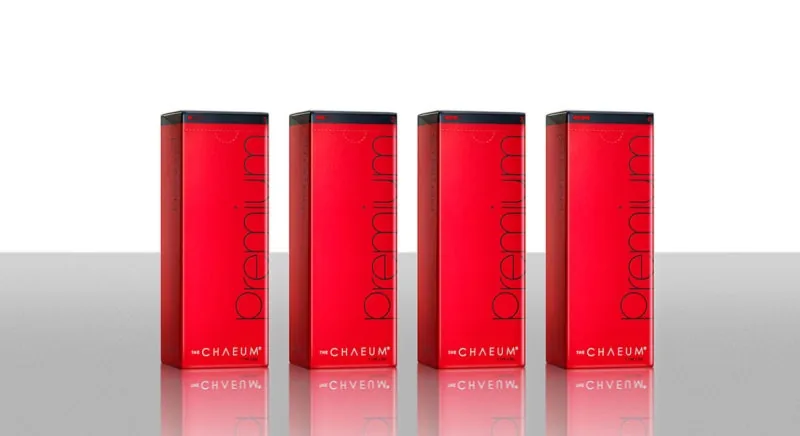
Four The Chaeum Premium filler cartons in a row, the Korean gel quoted on the specialty-area temple line at Dear Clinic
The Korean family on the specialty line, opened only when the reading calls for gel.
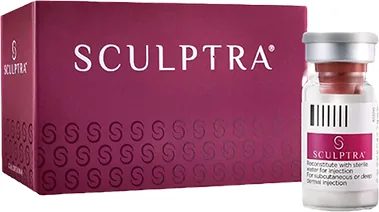
Sculptra box and vial at Dear Clinic, the poly-L-lactic acid route for broad temporal hollowing
The vial route, planned as a course where the hollowing runs wide.
Medical Team

Five doctors, one standard

Director-performed treatment is a Dear promise — your procedure is planned and performed by the doctors below.


Dr. Jemin Kim — Medical Director and Founder, Dear Clinic
Dr. Jemin Kim
Yonsei University College of Medicine
Medical Director · Founder
Dr. Sanghyun Lee — Director, Dear Clinic
Dr. Sanghyun Lee
Seoul National University College of Medicine
Director
Board-certified · Family Medicine
Dr. Seonhaeng Lee — Director of Aesthetic Medicine, Dear Clinic
Dr. Seonhaeng Lee
Chosun University College of Medicine · Residency, Samsung Medical Center
Director, Aesthetic Medicine
Dr. Daeun Jung — Director, Dear Clinic
Dr. Daeun Jung
Ajou University College of Medicine
Director
Board-certified · Family Medicine
Dr. Woojae Jung — Director of Aesthetic Medicine, Dear Clinic
Dr. Woojae Jung
Seoul National University — B.S. in Medicine
Director, Aesthetic Medicine
Patient Reviews

What our patients say

Real verified reviews from our Google Business Profile.

4.9★★★★★ 310 Google Reviews
Suitability

Who is declined for a temple injection

This zone has a shorter list of candidates than most, and the consultation settles it.

A descended brow sitting over an intact temple. Where the imaging shows the soft tissue beneath the brow tail is intact, adding volume will widen the face without addressing the complaint. We do not recommend it, and the conversation moves to the lifting category.
A request for width the proportions will not carry. A temple built past what the upper third supports changes the shape of the head. Where that is what is being asked for, the achievable part is named and the rest is declined on the day.
Active infection or inflammation in the region. Nothing is placed into tissue that is already reacting, and the appointment is postponed until it has settled.
Bleeding risk, pregnancy or a previous injectable reaction. Anticoagulant therapy not cleared with the prescribing doctor, pregnancy or breastfeeding, and any previous reaction to an injectable of the same class all stop the booking until they are resolved. Given how readily this region bruises, a bleeding tendency matters more here than in most zones.

Afterwards, expect tenderness and possible bruising for a period. Avoid heat, heavy training and pressure on the side of the head while the area settles. Contact the clinic the same day about pain out of proportion to the procedure, skin colour change or any visual disturbance.

FAQ

Temple filler in Cheongdam, question by question

What does temple filler actually do for the eye area?
It rebuilds the platform the outer brow sits on. When the temporal hollow deepens, the brow tail loses support and drops, the eye opening looks shorter at its outer corner and the whole region reads as tired. Restoring the volume changes the direction of the brow tail and the light across the side of the face. It is a volume correction and makes no claim to lift tissue.
How much does temple filler cost in Cheongdam?
The temple is a specialty area on the Dear card, so gel is listed at ₩300,000 (≈ $215) per cc with The Chaeum and ₩500,000 (≈ $355) per cc with any imported family. Where the collagen-stimulating route is prescribed instead, Sculptra is listed at ₩1,000,000 (≈ $715) per vial. Your total is the unit rate multiplied by the quantity agreed at your diagnosis.
Why is the temple more expensive than a general facial area?
Because of what the region demands. Named vessels cross it at more than one depth, it sits inside the mapped facial danger zones, and correction has to be built incrementally with the two sides compared throughout. The specialty rating attaches to the region, whichever carton is opened.
Is temple filler dangerous?
It carries real vascular risk, and pretending otherwise would be dishonest. The arterial network in this region connects with vessels supplying the eye, and the published ophthalmological literature documents visual loss after aesthetic facial filler injection. The mitigation is anatomical: the plane is chosen before the quantity, deposits are small, pressure is low, and the injection is performed by your director working against the mapped danger zones.
Should I choose hyaluronic acid or Sculptra for my temples?
The shape of the hollowing decides. A defined depression with a readable edge and sound skin over it is a job for gel, which occupies space immediately and can be shaped precisely. Broad, shallow flattening that runs into neighbouring regions alongside general thinning is better answered by a collagen-stimulating course.
How long does a temple result last?
No figure is published on this page. Hyaluronic acid is resorbable and a collagen-stimulating result builds and then changes on its own schedule, and the material, the quantity, the plane and your own tissue turnover all move the answer. Your director gives you the expected range for the specific product in your plan at the consultation, and the review appointment is where the estimate is checked against reality.
Will filling my temples make my face look wider?
Only if the quantity goes past what the upper third supports, which is the error the plan is written to avoid. Volume is measured in tenths of a cubic centimetre against the depth recorded on the scan, and judged against the brow, the arch and the opposite side. A request beyond the proportions of the face is declined.
Can both temples be treated in one appointment?
Yes, and they normally are, because symmetry can only be judged with both sides in front of you. The two depressions are rarely equal in depth, so the quote is built from the tenths actually placed on each side instead of doubled from one figure.
How much bruising should I expect on the temple?
This region bruises more readily than most, and a mark here is difficult to hide with makeup. Tenderness and swelling are ordinary for a period afterwards. Where you have something in the calendar, mention it at the consultation so the appointment can be timed around it, and avoid heat, alcohol and heavy training while the area settles.
Can temple filler be removed if I do not like it?
Hyaluronic acid can be reduced or cleared with a hyaluronidase enzyme injection, which is a separate procedure with its own assessment. Poly-L-lactic acid has no enzyme reversal, and that difference is stated before you choose between the routes. It is one of the reasons a gel placement is frequently the first material offered in this zone.
Are there before and after photographs of temple cases?
Dear Clinic holds no registered before-and-after set for the temple, so none is shown here and none is borrowed from another area. What the page gives you instead is a method: check that the interval, the head angle and the lighting match between the two frames of any temple pair you are shown, because a shadow on the side of the face can be created or removed by any one of them.
Consultation

Have the temple measured before anything is placed

Tell us what changed around the brow — answered in English as soon as possible.

Scientific Evidence

Peer-reviewed references behind temporal volume correction

The papers below cover the two things this page rests on: the anatomy that governs where a needle may safely go in the upper face, and what each material class has been studied for. They describe populations and techniques, never an outcome for one patient.

Each reference resolves to a DOI in an indexed journal.

  1. Scheuer J et al. Anatomy of the Facial Danger Zones: Maximizing Safety during Soft-Tissue Filler Injections. Plastic & Reconstructive Surgery. 2017. doi:10.1097/prs.0000000000002913
  2. de Maio M et al. Facial Assessment and Injection Guide for Botulinum Toxin and Injectable Hyaluronic Acid Fillers: Focus on the Upper Face. Plastic & Reconstructive Surgery. 2017. doi:10.1097/prs.0000000000003544
  3. Kato J et al. Visual loss after aesthetic facial filler injection: a literature review on an ophthalmologic issue. Arquivos Brasileiros de Oftalmologia. 2022. doi:10.5935/0004-2749.20220048
  4. Fagien S et al. Rheologic and Physicochemical Properties Used to Differentiate Injectable Hyaluronic Acid Filler Products. Plastic & Reconstructive Surgery. 2019. doi:10.1097/prs.0000000000005429
  5. Fitzgerald R et al. Facial volume restoration of the aging face with poly-l-lactic acid. Dermatologic Therapy. 2011. doi:10.1111/j.1529-8019.2010.01375.x
  6. Vleggaar D. Facial Volumetric Correction with Injectable Poly-l-Lactic Acid. Dermatologic Surgery. 2005. doi:10.2310/6350.2005.31236

References are provided for information — outcomes vary by individual and are assessed at your diagnosis.

Book WhatsApp Call