

★★★★★
The clinic was very professional from start to finish. Doctor Jung was excellent and gentle with the treatment. I felt well looked after and everyone was outstanding. Happy with my service!
Five published toning lines, two of them sold by the visit and two by the block of ten, plus one custom laser day. Here is each rate, the unit it is counted in, and the things that move a total away from it.
Toning is priced the way it is delivered: gently, and more than once. Each appointment pairs low-fluence 1064 nm passes with the clinic's in-clinic skincare step, and the published line names both halves together because the appointment is sold as one thing. That is why a toning rate looks small beside a single-shot procedure and why the arithmetic people actually care about is the arithmetic of a course.
Nothing on this page decides how many appointments your pigment will be quoted. That belongs to the reading, and the reading happens before any block is offered. What the treatment itself involves is set out on the laser toning programme page, and every figure here also appears on the clinic price list.
| Toning line | Unit it is counted in | Rate |
|---|---|---|
| Dual Laser Toning with in-clinic skincare | One appointment on the dual-wavelength programme | ₩200,000 (≈ $145) |
| Dual Laser Toning · block of ten | Ten appointments on the same programme, bought ahead and paced by your director | ₩1,500,000 (≈ $1,070) |
| Triple Laser Toning with in-clinic skincare | One appointment on the triple programme | ₩300,000 (≈ $215) |
| Triple Laser Toning · block of ten | Ten appointments on the triple programme as one purchase | ₩2,500,000 (≈ $1,785) |
| Dear Custom One-Day Laser | A single laser day assembled around one reading; its contents are agreed with the director beforehand | ₩400,000 (≈ $285) |
Rates are the clinic's published toning figures, quoted in Korean won with a dollar equivalent shown for orientation only; the desk settles in won and the conversion will not match a card statement exactly. The same card applies whichever passport you hold, and no surcharge is added for treating an international patient. Anything that sits outside the toning line itself — aftercare products, comfort measures, work on another part of the menu — is priced and agreed with you at consultation before it happens.
By the visit. You book, you come, you are charged once. ₩200,000 (≈ $145) on the dual programme, ₩300,000 (≈ $215) on the triple. Come back six weeks later and you are charged again, at the same figure, with no commitment attached to either appointment. Most first visits at this clinic are bought this way, because a first visit is partly a test of how your pigment answers.
By the block of ten. The block is a single purchase of ten appointments: ₩1,500,000 (≈ $1,070) on the dual programme and ₩2,500,000 (≈ $1,785) on the triple. The published single-visit figures are sitting right beside them, so the per-appointment effect of buying ten is a division you can do yourself instead of a saving we assert. What the block never buys is speed: ten appointments still occupy the intervals your skin is given, and the intervals are the part of this treatment nobody is allowed to compress.
And the one-day line, which is neither. ₩400,000 (≈ $285) buys a custom laser day, which is a different purchase from a place in a toning course. It exists for readings that call for a laser plan assembled once and looked at again, and its composition is fixed with the director before the day is booked, never on this page.
One thing worth saying plainly about the block: it is a purchase made before the evidence is in. We would rather you bought two appointments, watched what happened, and then decided about the other eight. A block bought on the first afternoon is a block bought on an assumption, and assumptions about pigment are exactly what the reading exists to replace.
There is one request that does not move the total down, and it is the one we hear most: raising the energy so that fewer appointments are needed. Low-fluence work is defined by its restraint, and pushing it changes the risk of the treatment without reliably changing the count. We do not recommend it, and we do not quote it.
A published figure is a fact about one appointment. It is not a fact about your face, and three of the most common misreadings are worth naming before anyone pays.
It does not promise a session count. No number of appointments is advertised here, and any count quoted to you by message before a scan is a guess wearing a number. It does not promise a result either: toning manages pigment in small increments, results vary from person to person, and the literature on low-fluence work for melasma is genuinely mixed about how long that management holds.
And it does not promise the absence of risk. Repeated low-fluence passes carry a pigmentary risk of their own — mottled hypopigmentation, a patchy loss of colour reported in the peer-reviewed case literature after treatment given too often or for too long — alongside the more ordinary warmth, flushing and, in skin that inflames easily, post-inflammatory hyperpigmentation. Those risks are the reason appointments get spaced, and spacing is the reason a block takes months. If that conflicts with your travel dates, the sensible purchase is a single appointment and a written plan to take home.
A toning block is one of several answers to a brown complaint in this building. The vascular laser, needle radiofrequency and per-lesion ablative work are all on the same card, at their own rates, and the consultation is free to move between them because none of them is the line we need you to buy. A reading that ends in a single spot removed in a minute ends there, and the ten-appointment figure never gets mentioned.
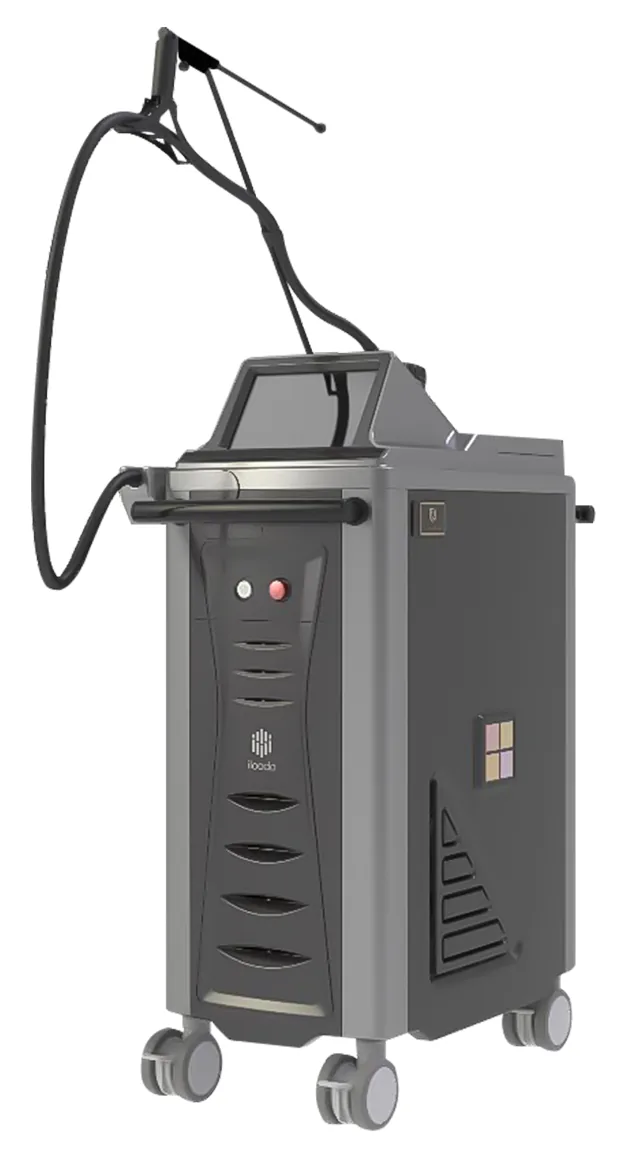
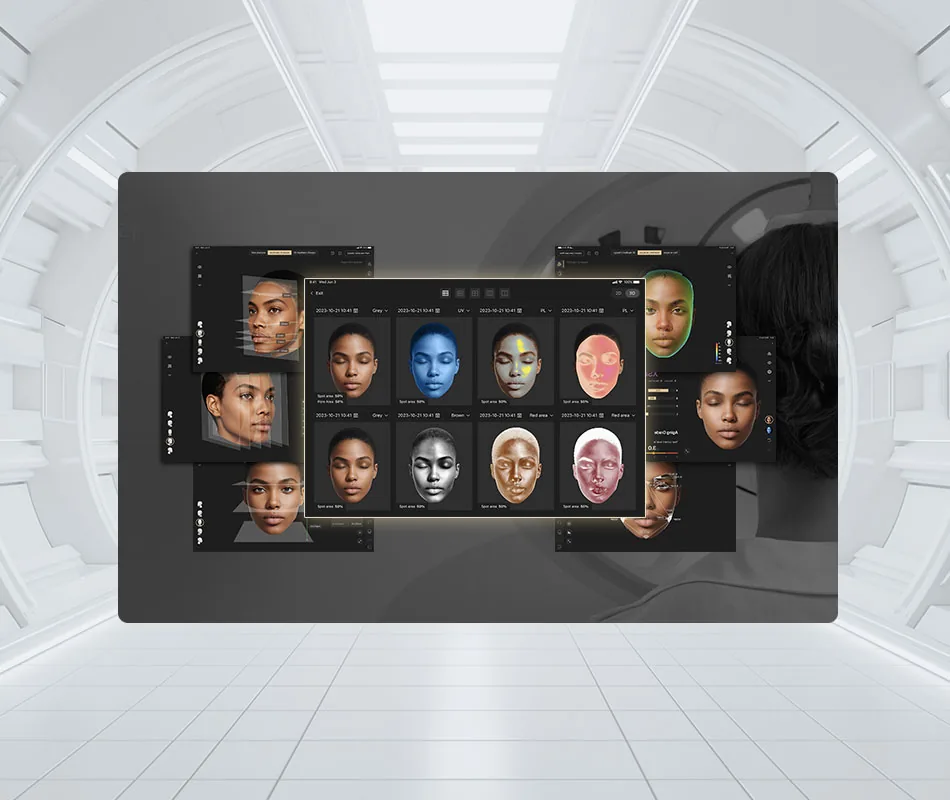
EVE Muse 3D imaging with five light sources and AI analysis sorts depth, redness and barrier condition first. The figure follows the finding.
Energy, pass count and interval are clinical decisions, so toning here is director-performed. When the scan says a course will not answer, we say no to the block and prescribe the route that will.
Outcomes vary by individual, by pigment pattern and by sun behaviour between appointments.
Director-performed treatment is a Dear promise — your procedure is planned and performed by the doctors below.





Real verified reviews from our Google Business Profile.
4.9★★★★★ 310 Google ReviewsThe clinic was very professional from start to finish. Doctor Jung was excellent and gentle with the treatment. I felt well looked after and everyone was outstanding. Happy with my service!
I've visited clinic for LDM procedure. I don't speak Korean, so there was an interpreter who assisted me while consulting. The staff was very attentive, they asked me every time before applying products/covering my face during the procedure and it went smoothly. Planning to visit the clini…
All the staff are kind, the doctor is professional. They recommended us the treatment that fit us best and last the longest. A very nice experience overall.
I did a hydrofacial, white/black head removal, and 1 day lasers. Really kind staff and reasonable prices. The only thing I would advise is that your first consultation is with a salesperson and you don’t see the doctor until after you decide what you want and after you pay.
Had a great experience here as a foreigner! The doctors and staff were knowledgeable, friendly, and not pushy. They made recommendations in my consultation and were happy to work within my budget.
Describe the marks and send your dates; we reply in English as soon as possible.
The largest figure on this page is a block of ten, so the published work on repeated low-fluence 1064 nm treatment is the literature a buyer has most reason to see. Three references are listed below: a long-term study of low-fluence Q-switched Nd:YAG for melasma, a comparison of the same laser with intense pulsed light, and a report on melanin and melanocyte changes in mottled hypopigmentation after such treatment.
They are given so that the limits of a course can be read at source. None of them prices anything, and none of them says what one face will do.