Home
Doctors Pricing Rates FAQ Book a Consultation
ENES
Abstract skin-booster visual with translucent bubbles
Dear Clinic · Pricing · Glass Skin
Published Rates for a Combination Plan

Glass Skin Price in Cheongdam, Gangnam, Seoul

Glass skin is not a product with a price tag. It is a plan assembled from treatments that already carry published rates, and this page prints every one of them — five lines across six rows — with the arithmetic left in your hands.

Five lines, six rows Quoted line by line Open 365 days
Ask for a Written Quote See the Rate Table
Direct Answer

What a glass skin plan actually costs here

Your total is the sum of the lines your reading selects. The published entry points at Dear Clinic are ₩100,000 (≈ $70) per 1 cc of the PDLLA hybrid, ₩300,000 (≈ $215) per 2 cc of the polynucleotide line, ₩450,000 (≈ $320) per 1 cc of the hyaluronic acid line, ₩200,000 (≈ $145) for a dual toning session, and ₩150,000 (≈ $105) for full-face skin botulinum toxin at the Korean tier.

Nobody sells you a thing called glass skin, because the look is a combination of surface qualities and each quality answers to a different treatment. Evenness of tone comes from one place, the grain of the skin from another, the wet-looking reflection from a third. Five published lines cover that ground here and a plan draws on some of them, never on all five at once.

Which is why the number below the fold is a table and not a package price. Every line is charged at its own rate on the day it is performed, and the estimate you approve before anything begins itemises exactly which rows were selected for you and how many units of each.

The sections after the table cover what moves a total, what sits outside the figure, and how to spend a fixed budget on this without wasting half of it.

The Rate Table

The five published lines a glass-skin plan is built from

Six rows, because one material carries two rates depending on where it is placed. Each is a separate purchase in the unit that line is supplied or performed in.

LineUnitWhich glass-skin quality it addressesPublished rate
Juvelook (skin or volume)1 ccPDLLA in a hyaluronic acid carrier — grain and pore-area firmness, built gradually₩100,000 (≈ $70)
Juvelook Volume, specialty area1 ccThe same material charged at the specialty-area rate where the map calls for it₩200,000 (≈ $145)
Rejuran Healer2 ccPDRN from salmon DNA — the repair line, for skin whose condition caps everything else₩300,000 (≈ $215)
Skinvive1 ccHyaluronic acid mapped as a field — the wet-looking reflection people mean by glass₩450,000 (≈ $320)
Dual laser toning with skincare1 sessionLow-fluence toning for evenness of tone across the face₩200,000 (≈ $145)
Full-face skin botulinum toxin, Korean tier1 treatmentMicro-dosed across the face for surface texture and pore appearance₩150,000 (≈ $105)

Published rates as of September 2026, applying to residents and to international patients alike — there is no foreigner surcharge on any row. Figures are stated in KRW with a reference USD conversion beside them, and value-added tax treatment for cosmetic procedures is explained at the counter before you pay. Four different units appear in the table, so adding two rows together is arithmetic and comparing them is not.

How a Plan Is Quoted

Why a glass-skin quote arrives as rows and never as one package figure

Six rows exist on the table above. A written plan typically draws on two or three of them.

Each line is priced where it stands

A booster is charged by the unit it is supplied in, a toning appointment by the session, and a toxin treatment by the treatment. Those are three different billing shapes, and flattening them into one headline number would hide which part of your money bought which effect.

So the estimate lists the rows, the quantity of each, and the sum. You approve that document before anything is prepared, and what you pay afterwards matches it.

No bundle rate is offered for the combination

Selecting three rows does not produce a fourth, discounted price. Each stays at its published rate, which means dropping one row later simply removes that row's figure from your total instead of unravelling a package you already paid for.

It also means nothing is prepaid. Sessions are charged as they happen, so a plan can be stopped, paused or rewritten at any review without leaving a balance sitting on an account.

What Moves the Total

Five things that change a glass-skin figure, and four that do not

DRIVER 01

How many cc your map takes

The booster rows are quoted per cc, so a wide field costs more than a narrow one for the same material. The area is marked before anything is prepared and the quantity appears on your estimate as a number you can check.

DRIVER 02

Whether a specialty area is in the plan

Juvelook Volume carries a higher rate where it is placed in a specialty area, and it is not used on the forehead or under the eye at all. Whether your map includes such an area is the commonest reason two similar-sounding quotes differ.

DRIVER 03

The 2 cc unit on the repair row

The polynucleotide line is supplied and charged in 2 cc, so its figure looks larger beside a per-cc row while covering more material. Halving it gives a comparison number, though half a unit is not something anyone can book.
Driver 04 — sessions against a single appointment. The toning row buys one appointment with the skincare step named on the row. Tone work of any kind is assessed across appointments, so a plan that leans on that row will name more than one visit and each is charged as it happens.
Driver 05 — the toxin tier you are quoted. Full-face skin work is published at a Korean tier and an imported tier, and the gap between them is large. The table above prints the Korean tier; if the imported tier is what your plan calls for, that figure is quoted to you directly and never substituted quietly.
What does not move it: the day of the week, the director on duty, the room you are treated in, and your nationality. None of those four appears anywhere in the arithmetic.
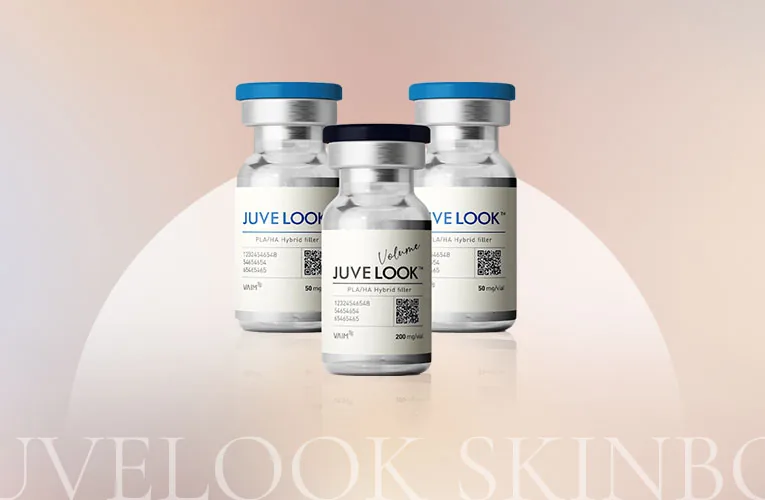
Juvelook vials on the skin-booster shelf at Dear Clinic, the PDLLA hybrid charged by the cc
The PDLLA hybrid row, charged by the cc of material mapped.
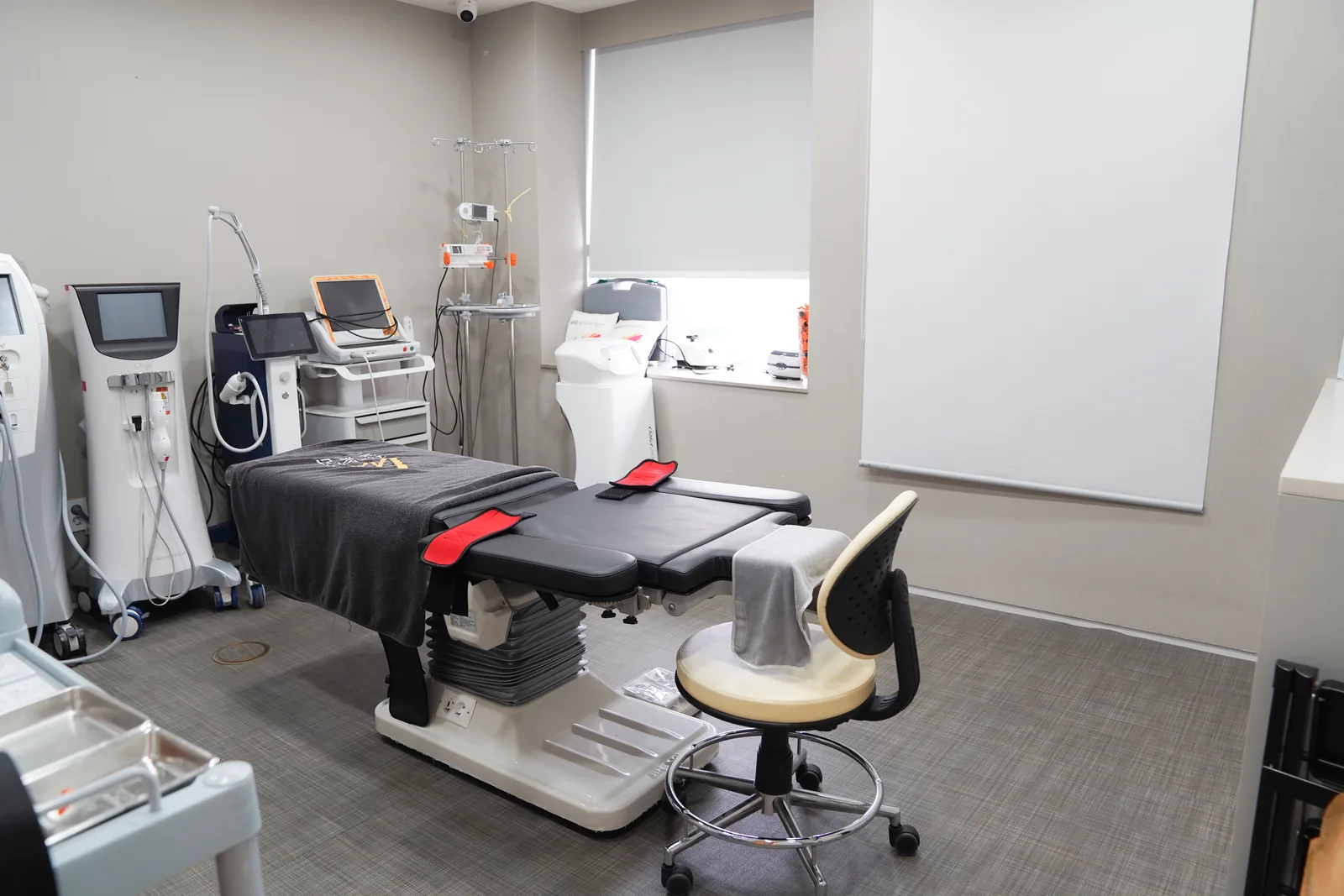
Procedure room with a powered treatment table, IV stand and infusion pump at Dear Clinic Cheongdam
The toning row, charged by the appointment and judged across several.
Outside the Figure

What a glass-skin rate does not buy you

Stated plainly, because the gap between what a number covers and what a patient assumed it covered is where complaints begin.

Not a lift. Nothing on the table changes where tissue sits. Skin that has descended reads as tired and dull in a mirror and answers to a lifting protocol, which is quoted separately and against the same photograph.
Not a volume correction. A flattened cheek or a hollow temple is a filler question. The stimulator rows work slowly and add nothing on the day, so where volume is the real deficit the quote we write is a filler plan.
Not a whitening treatment. Toning addresses evenness of tone and the literature on low-fluence work is candid about its limits, including the risk of patchy loss of pigment with over-repetition. We do not promise a lighter skin colour and we will not sell a course aimed at one.
Not an aftercare contract. What follows your session is discussed at consultation, and anything with a cost attached is stated with that cost in the estimate you approve beforehand. Follow-up terms are confirmed at consultation.
Not a fixed timetable. No session count is published for any row, because a number written before anyone has looked at your skin is a marketing figure. Your interval is set with the capture on screen.
Spending Well

Three ways to spend a set budget on a glass-skin plan

Written as the same advice we give across the desk when someone names a figure first.

BUDGET 01

Treat one quality properly

A single row done at the right dose beats three rows done thinly. If the reading says tone is your weakest score, the toning row and a review appointment will do more for a modest budget than a cc of everything.

BUDGET 02

Start where the ceiling is

Where the barrier itself is damaged, the repair row goes first, because the other rows perform better on skin that has been repaired. That order costs nothing extra and changes what the later money buys.

BUDGET 03

Do not start what you cannot finish

Rows judged across several appointments need those appointments. A visitor with four days is better served by a single-visit row than by the first third of a plan that will not be completed, and we will say so before you pay for anything.

Dear, Knowhow

What the glass-skin figures are actually paying for

01 — THE FULL ARSENAL

Six rows, no quota on any of them

Boosters, toning and toxin work all sit on one published list in one building. Nothing needs moving this month, so the rows on your estimate are the rows your capture pointed at.

02 — DIAGNOSIS FIRST

Three scores decide which rows appear

The EVE Muse system photographs the face in 3D under five light sources with AI analysis, and reports moisture, surface texture and tone as separate values. Glass skin is a word for all three at once, so the read-out is what turns a mood-board request into a row selection. A patient who arrives asking for everything on this page frequently leaves with two rows and a follow-up date.

03 — DIRECTOR-PERFORMED

The person quoting is the person treating

Every row on this table is director-performed, and the estimate is written by the same doctor who read your capture, so nothing can be added by someone who never examined you. Bruising, swelling, transient deposits and post-laser redness are named to you before the figure is agreed.
In the clinic

The devices and hands behind this treatment

Consultation desk at Dear Clinic Cheongdam where a glass-skin estimate is itemised row by row
Where the itemised estimate is agreed before any row is performed
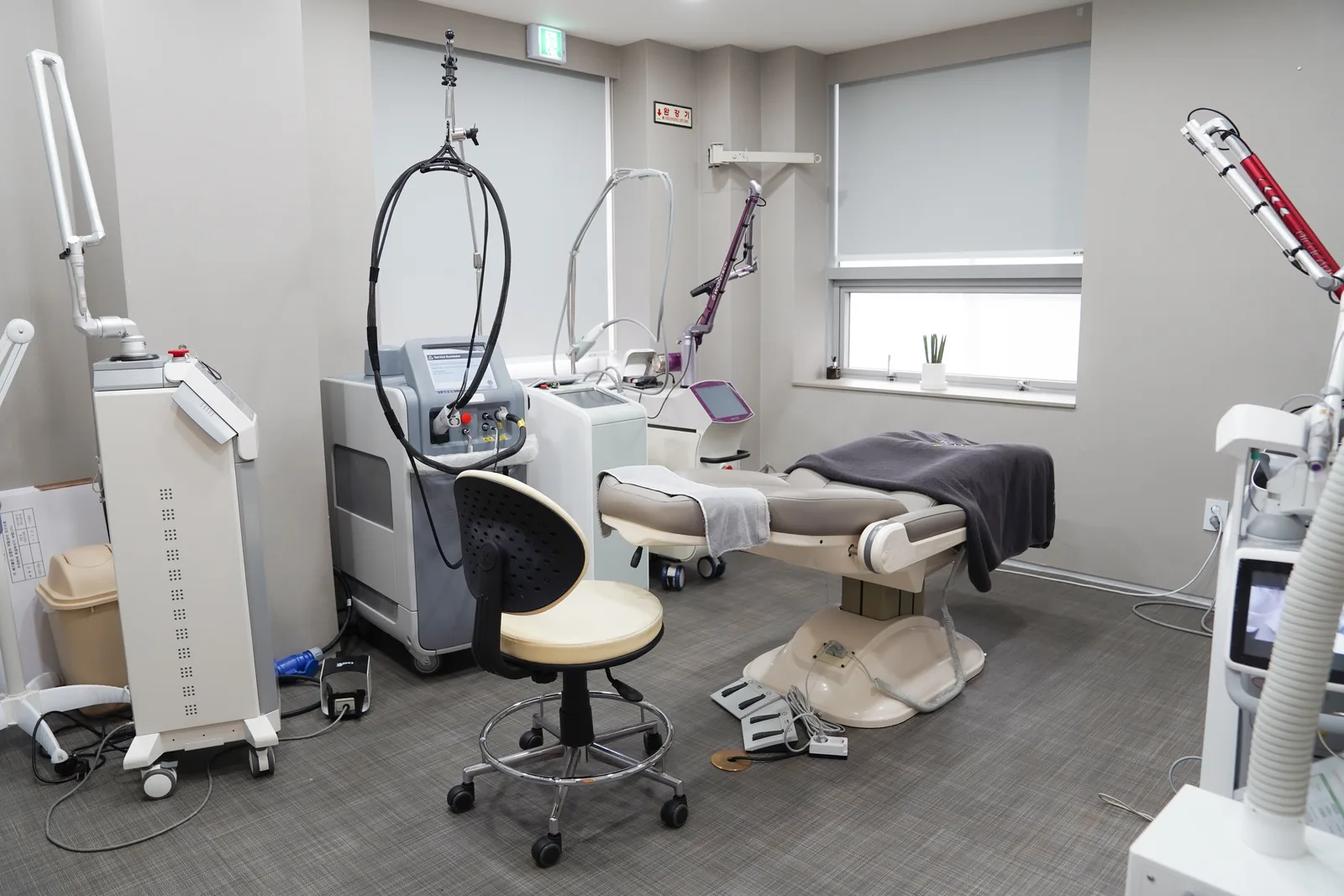
Laser treatment room at Dear Clinic Cheongdam with several laser platforms and a powered treatment chair
The laser room, where the toning row is performed by the session
When We Say No

Glass-skin consultations that end with a smaller quote

Or with none at all, which happens often enough to be worth printing.

The request is for all five rows in one visit. We decline to stack them, because asking one area to recover from several procedures at once is how a plan produces a fortnight of downtime and no readable result.
The reading says descent. No row on this page lifts anything, so the booster and toning figures come off the estimate and a lifting protocol goes on it instead.
Melasma is present and the request is for repeated toning. The published literature on low-fluence toning includes work on mottled loss of pigment after repetition, and we would rather quote you fewer appointments than more.
There is active inflammation or infection at the intended sites, or you are pregnant or breastfeeding. We decline to inject and ask you back afterwards. A seafood allergy removes the salmon-derived row specifically.
The budget named cannot cover any row at a proper dose. Half a treatment is worse value than no treatment, and we will say that rather than write a thin plan to reach a number.
6
Rows published for this plan
4
Different billing units on one table
3
Skin scores read apart at diagnosis
0
Bundle rates offered

Suitability and outcome vary by individual and are assessed at your in-person diagnosis.

Where to Read Next

From the glass-skin rates into the protocol itself

How the routes are chosen, sequenced and performed is set out on the treatment page for glass skin at Dear Clinic. Each row also has its own page: Juvelook, Rejuran Healer, Skinvive, laser toning and skin botox.

For the booster rows read alongside every other injectable on the list, see skin booster pricing, and for the whole clinic in one place the published price list.

Medical Team

Five doctors, one standard

Director-performed treatment is a Dear promise — your procedure is planned and performed by the doctors below.


Dr. Jemin Kim — Medical Director and Founder, Dear Clinic
Dr. Jemin Kim
Yonsei University College of Medicine
Medical Director · Founder
Dr. Sanghyun Lee — Director, Dear Clinic
Dr. Sanghyun Lee
Seoul National University College of Medicine
Director
Board-certified · Family Medicine
Dr. Seonhaeng Lee — Director of Aesthetic Medicine, Dear Clinic
Dr. Seonhaeng Lee
Chosun University College of Medicine · Residency, Samsung Medical Center
Director, Aesthetic Medicine
Dr. Daeun Jung — Director, Dear Clinic
Dr. Daeun Jung
Ajou University College of Medicine
Director
Board-certified · Family Medicine
Dr. Woojae Jung — Director of Aesthetic Medicine, Dear Clinic
Dr. Woojae Jung
Seoul National University — B.S. in Medicine
Director, Aesthetic Medicine
Patient Reviews

What our patients say

Real verified reviews from our Google Business Profile.

4.9★★★★★ 310 Google Reviews
FAQ

Glass skin pricing, row by row

How much is glass skin treatment in Gangnam?
It depends which rows your plan uses. The published entry points at Dear Clinic are ₩100,000 (≈ $70) per 1 cc of Juvelook, ₩300,000 (≈ $215) per 2 cc of Rejuran Healer, ₩450,000 (≈ $320) per 1 cc of Skinvive, ₩200,000 (≈ $145) for a dual toning session and ₩150,000 (≈ $105) for full-face skin botulinum toxin at the Korean tier. Your written estimate sums the rows selected for you.
Is there a glass skin package price?
There is no package rate and no prepaid course. Each row stays at its published figure whether you take one of them or three, so the total is straightforward addition. That also means removing a row later simply removes its figure, which is harder to do once a bundle has been paid for.
Which single row gives the most visible change for the money?
Whichever one your weakest score points at. For a surface that photographs flat, the hyaluronic acid field usually reads quickest; for uneven tone, the toning row; for loosened grain, the PDLLA hybrid. A row chosen against someone else's result is the commonest way to spend well on the wrong thing.
Why is Rejuran quoted per 2 cc when the others are per cc?
Because it is supplied and used in 2 cc, so the rate follows the supply. Its figure looks larger next to a per-cc row while covering twice the material. Dividing it in half gives a number you can compare, although half a unit is not something anyone can book.
What is the difference between the two Juvelook rows?
The material is the same and the rate differs by where it is placed. Juvelook Volume carries the specialty-area rate of ₩200,000 (≈ $145) per 1 cc where the map calls for it, against ₩100,000 (≈ $70) for the standard row. It is not placed on the forehead or under the eye, so those areas are answered with a different row entirely.
Does the toning figure buy a course?
No. ₩200,000 (≈ $145) buys one appointment with the skincare step named on the row. Tone work is assessed across appointments and a plan leaning on this row will name more than one, each charged as it happens. Nothing is prepaid, so you can stop after the first.
Why is the skin botox row quoted at a Korean tier?
Because full-face skin work is published at both a Korean and an imported tier, and the table prints the Korean figure at ₩150,000 (≈ $105). If your plan calls for the imported tier, that rate is quoted to you directly at consultation. Neither tier is substituted for the other without being stated.
Will any of this make my skin whiter?
No, and we will not sell a course aimed at that. Toning addresses evenness of tone, and the published work on low-fluence toning is candid about its limits, including mottled loss of pigment where treatment is repeated too often. The realistic goal is a more even surface, and that is what consultation describes.
How many appointments will a glass-skin plan take?
No count is printed for any row on this page. A number written before anyone has seen your skin is a marketing figure. Your interval and the likely shape of the plan are set at consultation with the capture on screen, and each appointment is charged at the published rate on the day.
Is the price different for international patients?
It is identical. Every row above is charged the same to Korean residents and to visitors, with no surcharge of any kind, and consultation is conducted in English. Value-added tax treatment for cosmetic procedures is explained at the counter before payment.
What am I risking for these figures?
Bruising, swelling and visible entry points on the injectable rows, transient raised deposits where material sits shallow, and redness or temporary pigment change after a toning appointment. Repeated low-fluence toning carries a risk of patchy loss of pigment. Your director names the risks attached to your specific rows before the estimate is agreed.
I am in Seoul for four days. What is realistic on this table?
One or two single-visit rows, chosen against the scan and performed with a proper dose. What four days cannot hold is a plan judged across spaced appointments, and if your reading points at one you will hear it before booking. The clinic is open 365 days, so a same-day reading and treatment is usually possible.
Consultation

Ask for an itemised glass-skin estimate

Tell us the concern, the budget and your dates. The figures come back in English as soon as possible.

Scientific Evidence

Published work behind the rows on this rate table

Six papers across the three families the table draws on. Two concern polydeoxyribonucleotide, two concern poly-l-lactic acid and the polylactic family the hybrid row belongs to, and two concern low-fluence toning — including one on mottled loss of pigment and one asking directly whether long-term results hold up.

The toning pair is listed deliberately. A rate page that cites only flattering literature is worth less than one that prints the limits, and those limits are part of what the figures above are quoted against. None of these papers prices a treatment or predicts an individual outcome.

  1. Guizzardi S et al. Polydeoxyribonucleotide (PDRN) promotes human osteoblast proliferation: A new proposal for bone tissue repair. Life Sciences. 2003. doi:10.1016/s0024-3205(03)00547-2
  2. Kim J. Polydeoxyribonucleotide (PDRN) - Established Efficacy and Emerging Directions in Research and Development -. Journal of Biotechnology and Bioindustry. 2025. doi:10.37503/jbb.2025.13.14
  3. Lin J et al. Early‐stage volume effect difference between injectable poly‐l‐lactic acid and injectable poly‐d,l‐lactic acid. Journal of Cosmetic Dermatology. 2022. doi:10.1111/jocd.15595
  4. Angelo-Khattar M. Poly-L-Lactic Acid in Facial Rejuvenation: Volumetric Data Supporting Regenerative Outcomes. Clinical, Cosmetic and Investigational Dermatology. 2025. doi:10.2147/ccid.s566829
  5. Jang YH et al. Changes in Melanin and Melanocytes in Mottled Hypopigmentation after Low-Fluence 1,064-nm Q-Switched Nd:YAG Laser Treatment for Melasma. Annals of Dermatology. 2015. doi:10.5021/ad.2015.27.3.340
  6. Gokalp H et al. Long‐term results in low‐fluence 1064‐nm Q‐Switched Nd:YAG laser for melasma: Is it effective? Journal of Cosmetic Dermatology. 2016. doi:10.1111/jocd.12253

References are provided for information — outcomes vary by individual and are assessed at your diagnosis.

Book WhatsApp Call