Home
Doctors Pricing Cost FAQ Book a Consultation
ENES
Abstract skin-booster visual with translucent bubbles
Dear Clinic · Concerns · Glass Skin
Result Axis — Four Routes, One Finish

Glass Skin Treatment in Cheongdam, Seoul

Glass skin is a description of a surface, so it is treated as three measurable findings — hydration, texture and tone evenness — and the EVE scan decides which of our four routes your face actually needs.

Four routes · one diagnosis From ₩100,000 (≈ $70) / 1cc Open 365 days
Book a Consultation See Pricing
Definition

What glass skin means once it is measured

Glass skin is a look, so a clinic has to translate it before it can treat it. At Dear Clinic the phrase resolves into three separate readings on the EVE Muse scan: how much water the surface holds, how flat the surface reflects light, and how evenly pigment sits across the field. Different readings point to different injectables or to a toning course.

Those three readings rarely come back equally bad. One face scans dry with good tone. Another scans well hydrated but reflects light in patches because of pigment. A third has neither problem and is simply losing the fine collagen scaffold that keeps a surface taut. A single product cannot answer all three, and the fastest way to waste a course of injections in Seoul is to buy the material before knowing which of the three is yours.

This page is the result axis. If you would rather read the same treatments sorted by material — what polynucleotides are, what a PDLLA hybrid does, how a hyaluronic-acid booster differs from a filler — the skin booster category page covers that ground and this one does not repeat it.
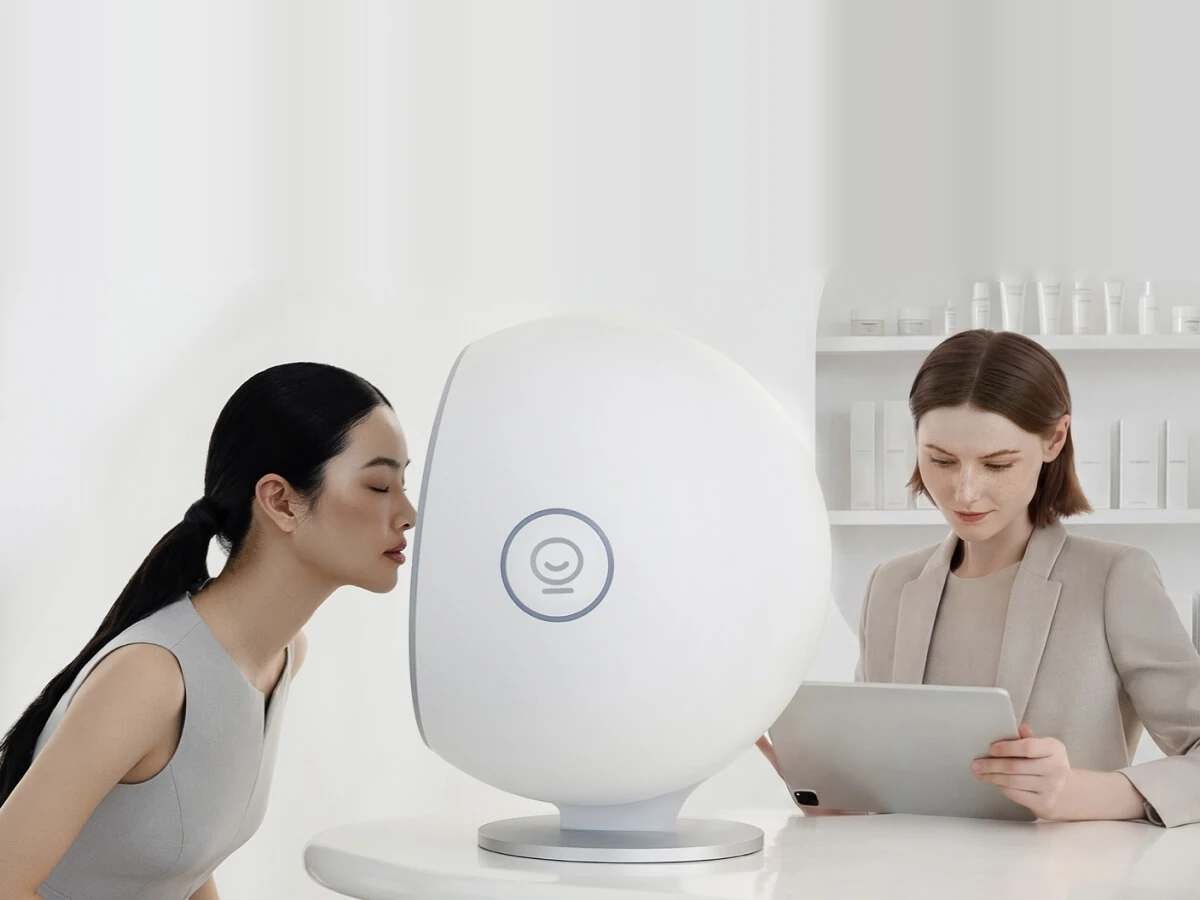
A client leans into the EVE 3D skin analysis unit while the scan is reviewed on a tablet
Hydration, texture and tone are scored separately at the first appointment, before any glass-skin route is quoted.
Expectations

Three things a glass-skin course does not buy

Setting the ceiling first is what keeps a plan from being oversold, and it takes one paragraph.

It is not skin whitening. Nothing on this page bleaches skin or changes your natural tone. A toning course works on uneven pigment deposits; it does not lighten the face as a whole, and we will not describe it that way.
It does not close pores for good. Pore openings can look finer when the collagen around them is firmer, and they return to their own size if the stimulus stops. Permanence is not on offer here from anyone.
It does not lift or restore volume. If your scan reads descent at the jaw or a flattened cheek, a booster field will not correct it, and that is a lifting or filler conversation instead.

There is also a fourth case worth naming: barrier damage from over-exfoliation, or skin in an active breakout. We decline to inject into an inflamed field and treat the inflammation first, because injecting into it risks a worse surface than the one you arrived with.

The Four Routes

The glass-skin routes Dear Clinic actually runs

Every item below is on our published price list and in the building. Nothing here is a package name invented for a landing page.

ROUTE 01

Rejuran Healer for repair and fine texture

A polynucleotide (PDRN) booster from PharmaResearch, injected into the skin in fine mapped deposits. It is the route for skin that reads rough, dull and unresilient on the scan. The Rejuran HB and Eye lines are quoted separately on the Rejuran page.

ROUTE 02

Juvelook for collagen and pore-area firmness

A PDLLA and hyaluronic-acid hybrid from VAIM that works by gradual collagen stimulation. Our Korean source material records the effect beginning at roughly four weeks and holding for up to two years. Detail sits on the Juvelook page.

ROUTE 03

Skinvive as a hydration field

An Allergan hyaluronic-acid booster placed as a spread of small droplets inside the skin. This is the route when the scan says dryness and the tone score is already fine. See the Skinvive page for how the field is mapped.

ROUTE 04

Dual or triple toning for tone evenness

Low-fluence 1064 nm Nd:YAG toning, sold by the session with skincare included, for the reflection that looks patchy more than it looks dry. It is covered in depth on the laser toning page.

RouteMaterial or mechanismThe reading it answersPublished rate
Rejuran Healer, 2ccPDRN polynucleotideRough, tired-looking surface; poor recovery₩300,000 (≈ $215)
Juvelook, 1ccPDLLA + HA hybrid, collagen stimulationSlack fine texture; pore-area firmness₩100,000 (≈ $70)
Skinvive, 1ccHyaluronic acid, intradermal droplet fieldLow hydration score with acceptable tone₩450,000 (≈ $320)
Dual Laser Toning, 1 sessionLow-fluence 1064 nm dual-wavelength sessionUneven tone; patchy light return₩200,000 (≈ $145)
Triple Laser Toning, 1 sessionThree-wavelength toning session with skincareUneven tone with a coarser surface alongside₩300,000 (≈ $215)

Published rates as of September 2026, shown in KRW with an approximate USD conversion for reference; KRW is what you pay. Quantities and session counts are set at diagnosis and agreed with you before anything is opened.

Prescription Logic

How the scan picks your glass-skin route

The EVE Muse unit captures the face in 3D under five light sources and an AI model scores the layers separately. Dryness, surface roughness and pigment distribution come back as three numbers instead of one impression, and the route follows the weakest of the three. Where two scores are weak, the routes are sequenced across visits and never stacked into one appointment.
Hydration low, tone and texture fine. A hyaluronic-acid droplet field is the proportionate answer, and it is the cheapest correct prescription of the four to maintain.
Texture and repair weak. A polynucleotide series works at the level where that complaint lives, spaced a few weeks apart and never delivered in one sitting.
Fine slackness around pores. Collagen stimulation is the slow route, and it is the one to start if your trip is the first of several.
Pigment unevenness dominant. Toning sessions are planned as a course, with the interval set by how your skin responded to the previous one.
Two or three scores weak together. Your director writes an order of operations and the intervals between them, and you are quoted per item on the list above.

If none of the three scores is genuinely poor, glass skin treatment is not the right treatment for you that month, and you will be told so at the consultation instead of after three sessions. Carrying all four routes under one roof is what makes that sentence cost us nothing.

Timeline

What a glass-skin plan looks like week by week

The real version of this timeline is slower than the phrase suggests, and the published literature is the reason.

Day of treatment. Injected routes leave small raised points at each entry site; toning leaves warmth and mild redness. Make-up is usually comfortable the next morning, so a session the afternoon before an event is optimistic.
First two weeks. Hydration routes read earliest because water in the skin is an immediate physical change. Collagen routes show nothing meaningful yet, and that is expected.
Around four weeks. Our Korean source material for the PDLLA hybrid records the effect starting at about this point. A 2022 comparison of injectable poly-L-lactic acid and poly-D,L-lactic acid, listed as reference 3 below, examined exactly this early-stage difference between the two materials.
Across a toning course. Tone work is cumulative and its ceiling is real: the 2016 review listed as reference 5 asked directly whether long-term low-fluence 1064 nm treatment for melasma is effective, and the question mark in that title is part of why we sell toning by the session.
Months two to six. Collagen-route results continue to build. The 2024 histology study listed as reference 4 looked at how long the biostimulatory activity of injectable poly-L-lactic acid lasts, which is why these routes are reviewed before they are repeated on any calendar.

No duration on this page is promised for your face. Skin type, age, climate and how you live all move it, and your director gives you a conservative range in person.

Dear, Knowhow

Why run a glass-skin plan at Dear

01 — THE FULL ARSENAL

All four glass-skin routes on one shelf

PDRN, the PDLLA hybrid, the hyaluronic-acid droplet field and both toning tiers are stocked here, alongside the filler range and the lifting platforms that the scan sometimes points to instead. Nothing on the list has to be moved this month.

02 — DIAGNOSIS FIRST

Three scores, not one impression

The EVE Muse 3D capture separates hydration, texture and pigment.

03 — DIRECTOR-PERFORMED

The same hand that mapped the field

Booster work is graded on evenness, and evenness is a function of spacing and depth held steady across dozens of entries. Your treatment is director-performed by the doctor who read your scan and drew your map, at whatever pace the field needs, and the review afterwards is with the same person.
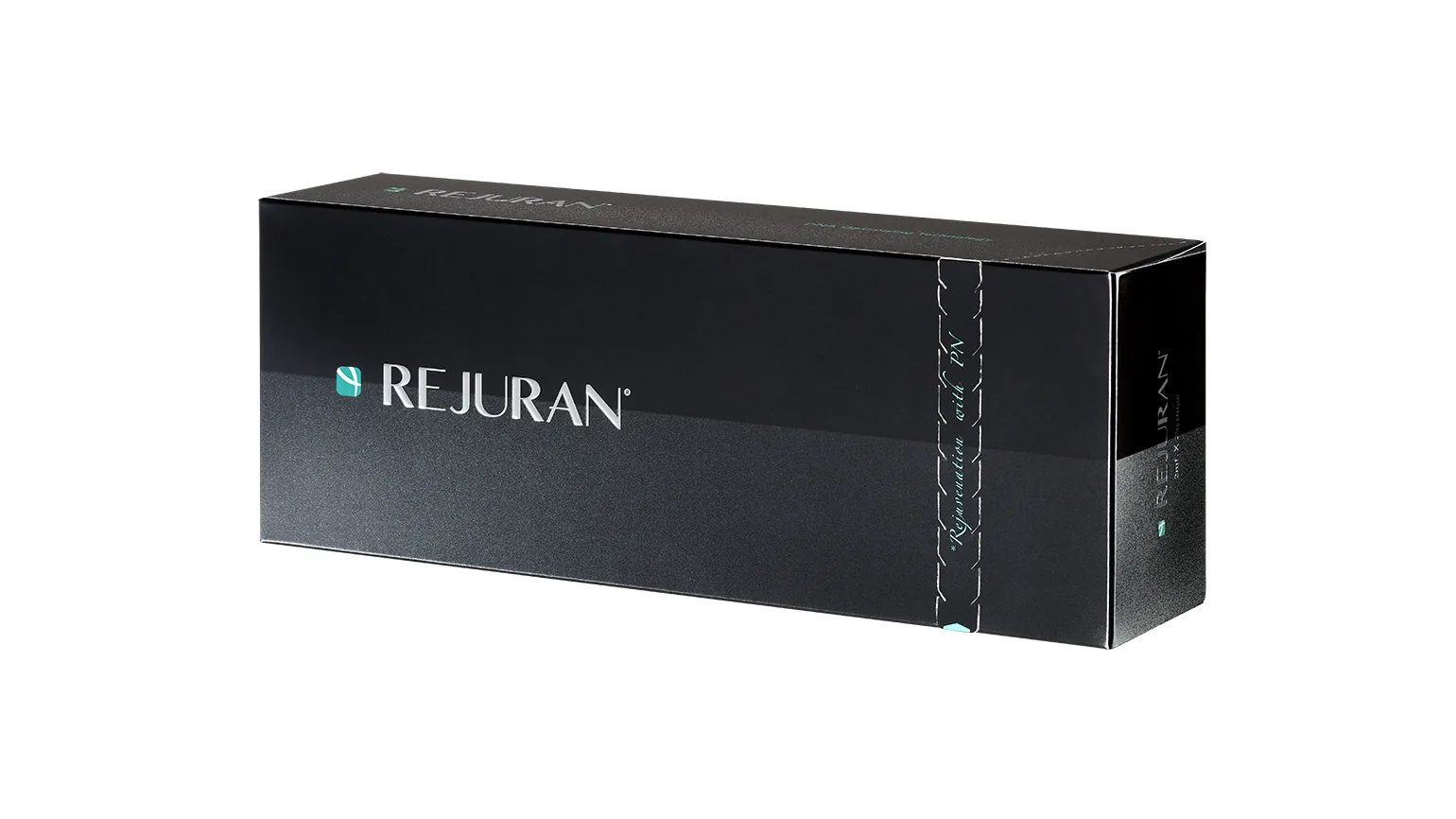
Rejuran carton in black and silver, the PDRN route used for texture and repair in a glass skin plan
The polynucleotide route, quoted per 2cc and injected as fine mapped deposits.
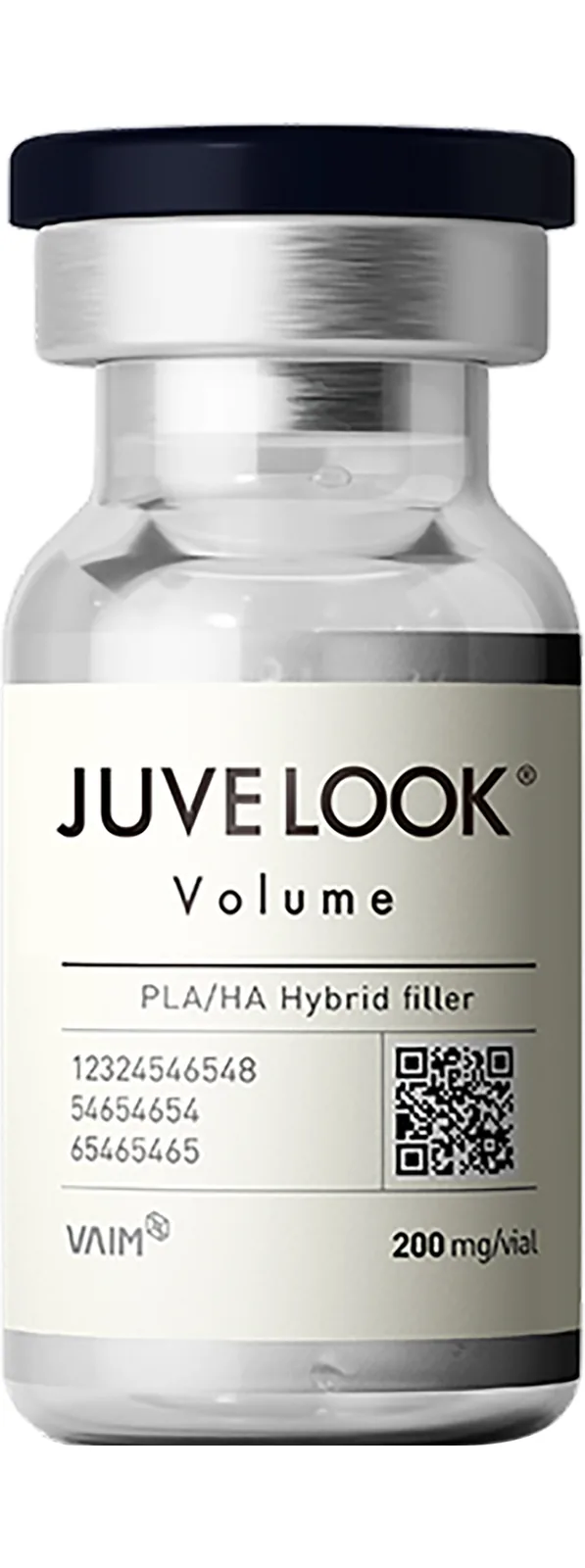
Juvelook vial, the PDLLA and hyaluronic acid hybrid used as the collagen route in glass skin planning
The collagen route, quoted per 1cc, with an effect our source material dates from about four weeks.
Cases

Two glass-skin routes photographed at Dear

Only routes with audited in-house photography are shown. The hydration and toning routes are not pictured here because we hold no verified case set for them.
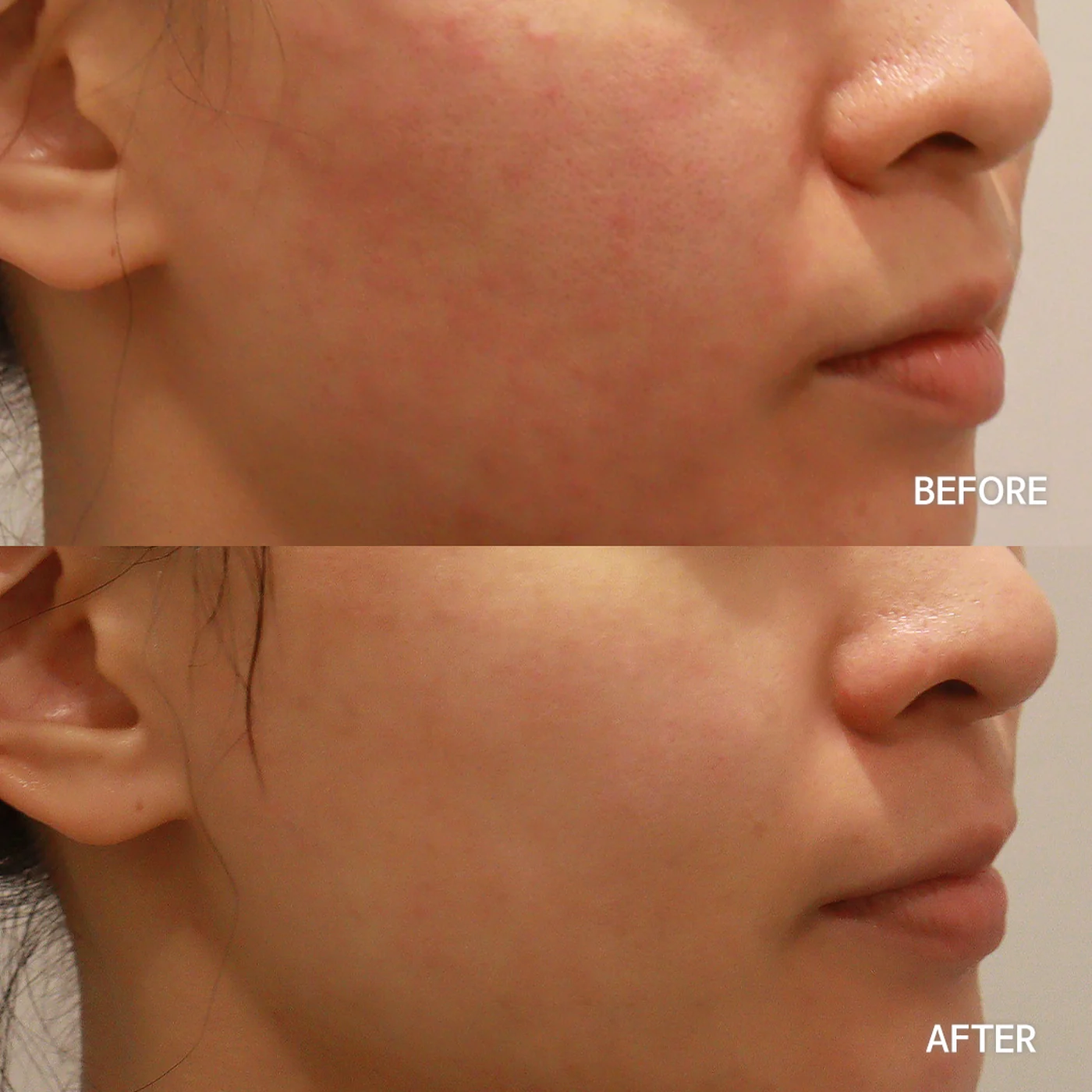
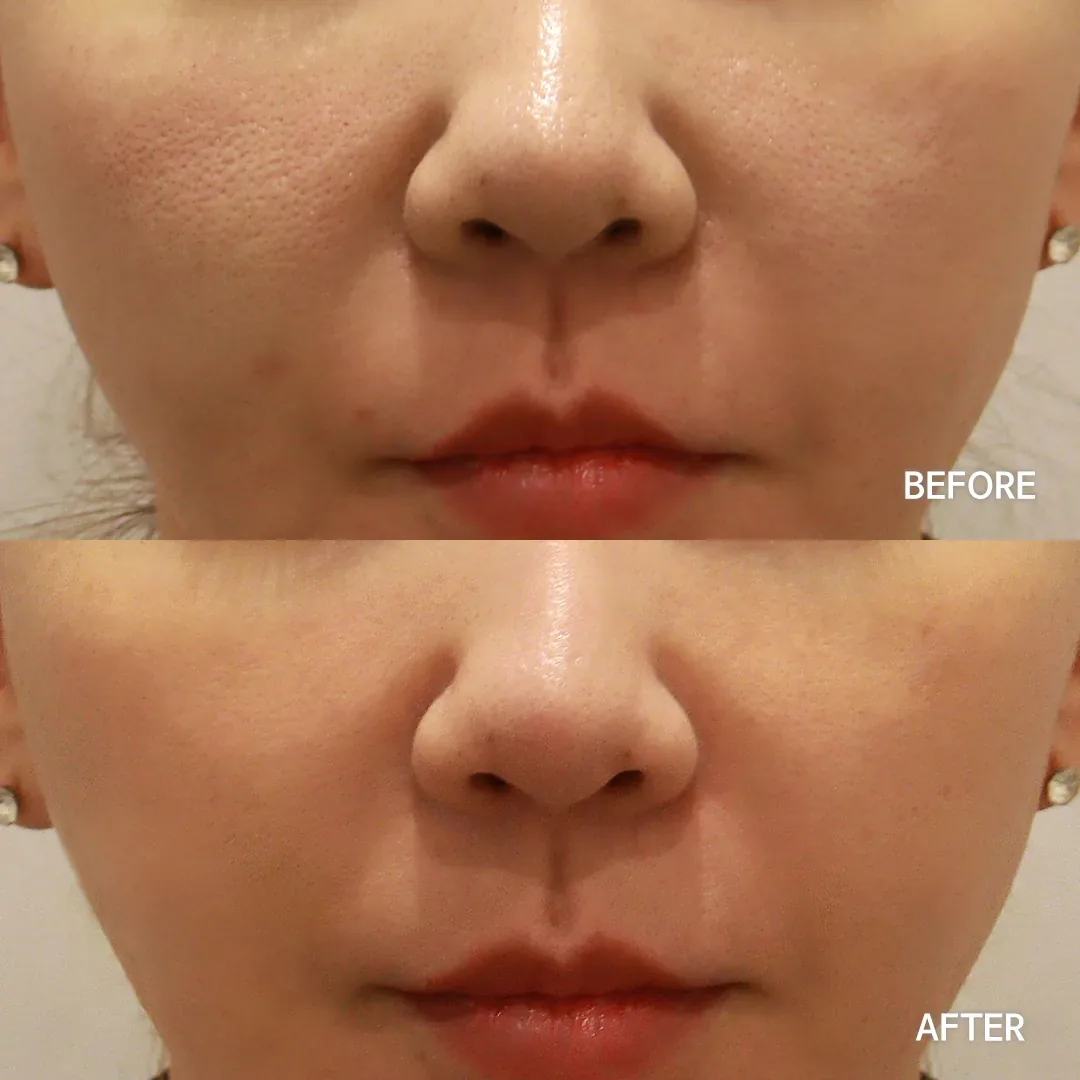
Polynucleotide booster before and after at Dear Clinic, showing a calmer and less rough skin surface
Rejuran · texture route — calmer, less rough surface
Polynucleotide booster before and after at Dear Clinic, showing more even light return across the cheek
Rejuran · texture route — more even light across the cheek
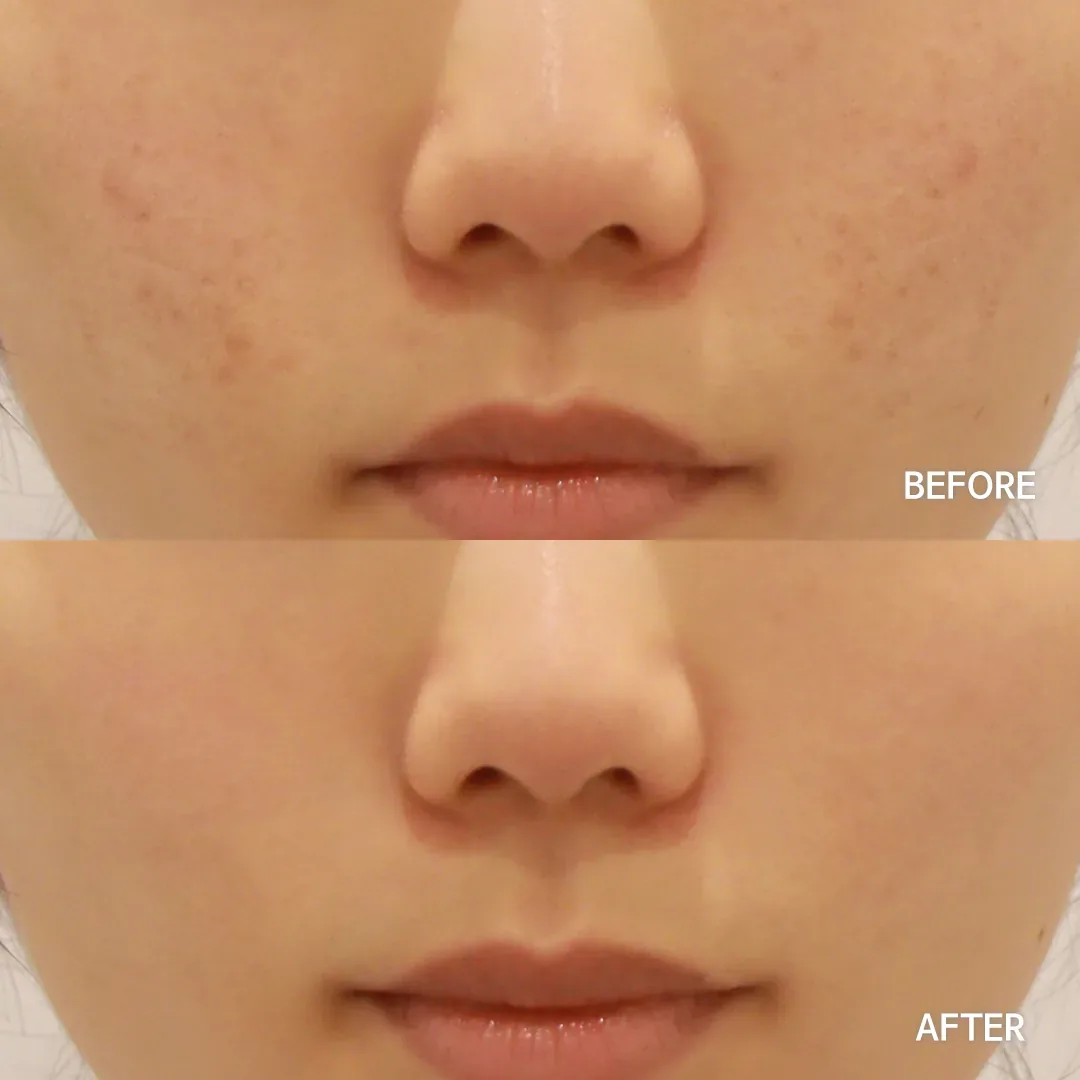
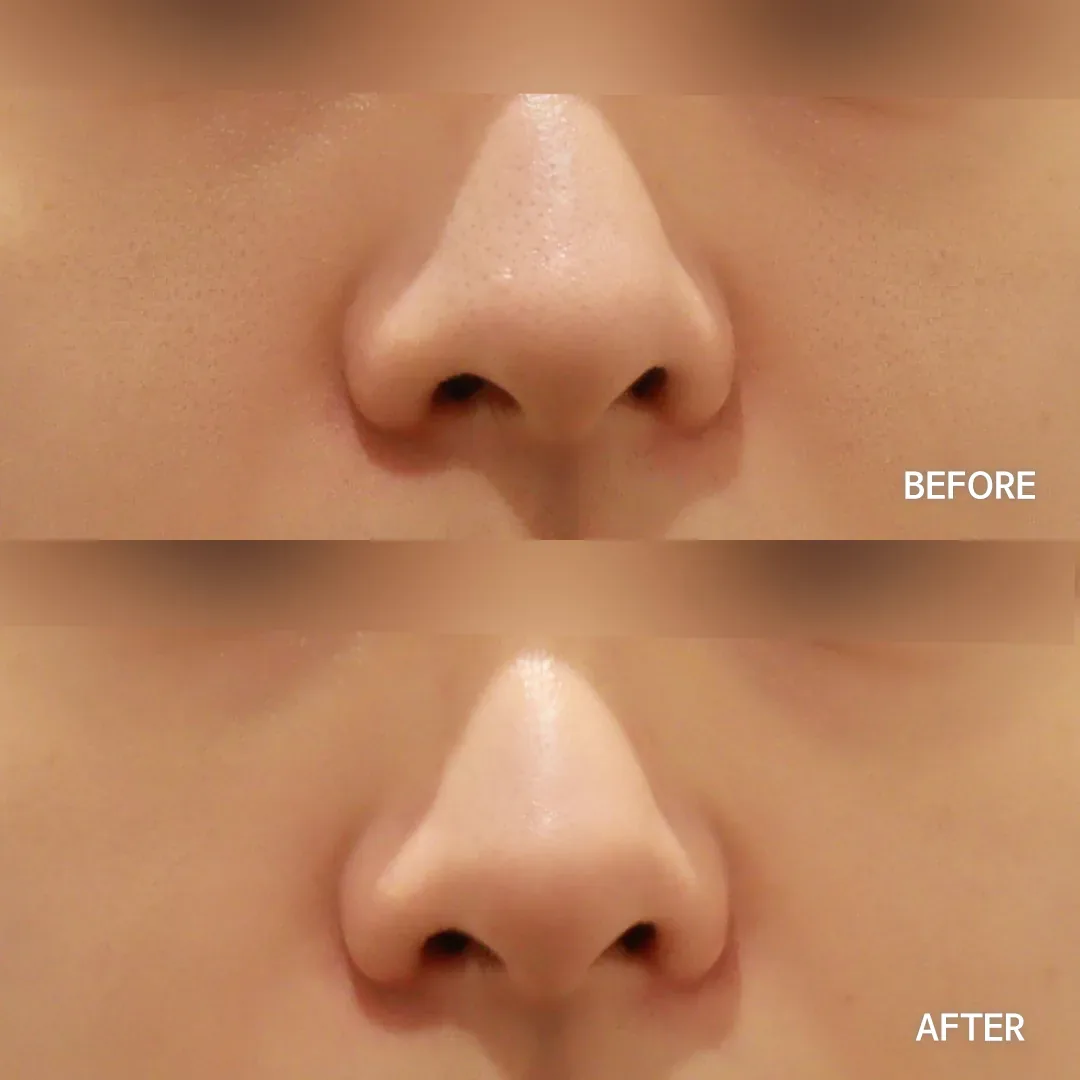
PDLLA hybrid booster before and after at Dear Clinic, showing firmer fine texture around the pore field
Juvelook · collagen route — firmer fine texture
PDLLA hybrid booster before and after at Dear Clinic, showing a smoother surface at the same angle
Juvelook · collagen route — smoother surface, same angle

All photos are unretouched cases of the same person under the same conditions, treated at Dear Clinic. Each photo shows only the treatment it is labelled with. Individual results may vary.

01
Hydration held longer
02
Finer surface texture
03
More even light return
04
No change to proportions

Outcomes vary between individuals and are assessed at your in-person diagnosis.
In the clinic

The devices and hands behind this treatment

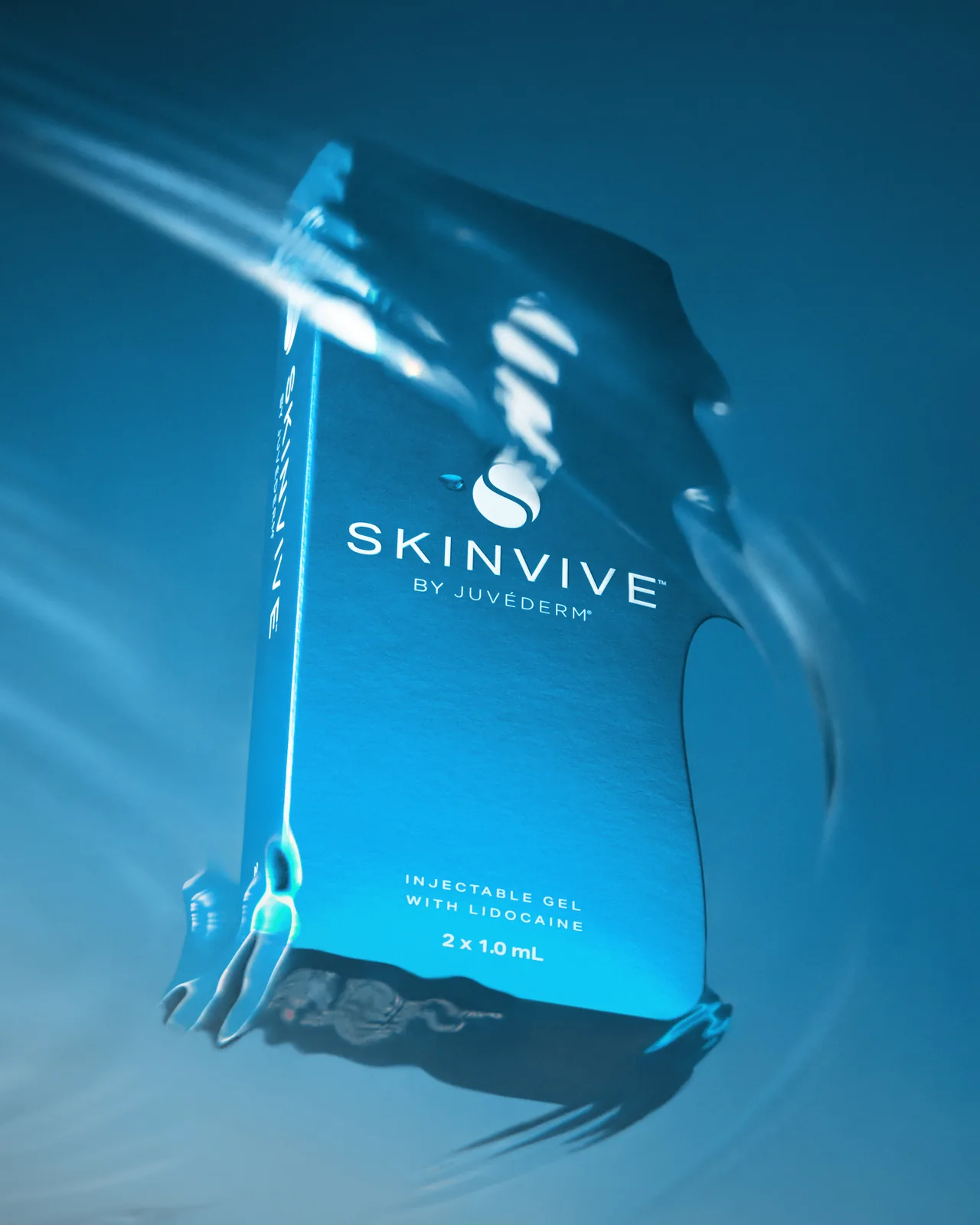
Skinvive carton photographed through rippling water, the hydration route on the glass skin list
Skinvive carton photographed through rippling water — the hydration route
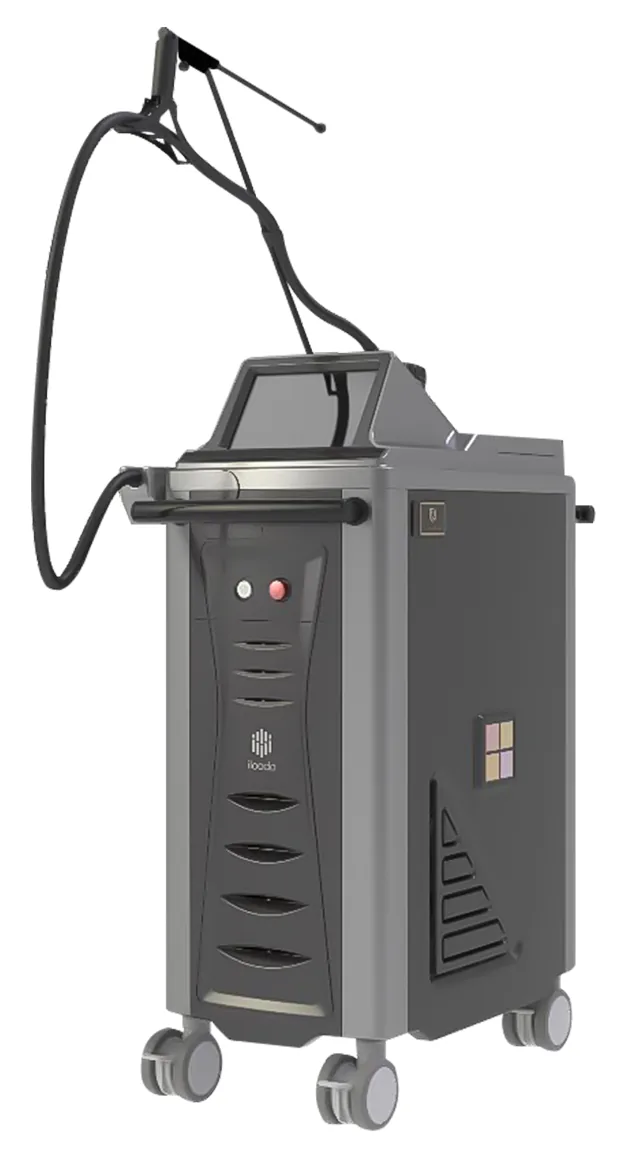
New Titanium (Portra Quattro) lifting laser platform on castors with its articulated delivery arm and handpiece at Dear Clinic
A laser platform in the laser room at Dear Clinic
Pricing

How much does glass skin treatment
cost in Seoul?

There is no single glass skin price, because there is no single glass skin product. At Dear Clinic the entry point is ₩100,000 (≈ $70) for 1cc of the PDLLA hybrid; a hyaluronic-acid hydration field is ₩450,000 (≈ $320) per 1cc, the polynucleotide route is ₩300,000 (≈ $215) per 2cc, and toning starts at ₩200,000 (≈ $145) a session.

Those four numbers are not comparable line by line, and reading them as a ranking is the commonest mistake made on price pages. The polynucleotide rate covers 2cc because that is the unit the product ships in; the two boosters beside it are quoted per 1cc; the toning figures buy a session with skincare included and not a course. What decides your total is how many units your mapped field takes and how many sessions the plan runs to, both of which are written down and agreed before treatment starts.

International visitors pay the same published rates as Korean patients, with no visitor surcharge of any kind. The full list is on the published price list, and the triple toning tier is ₩300,000 (≈ $215) a session.

If the diagnosis points somewhere off this page — a filler for lost support, a lifting protocol for descent, or simply a barrier-repair routine and three months of patience — that is what you are quoted for instead.

Caution

Aftercare across the four glass-skin routes

Injected routes, first two days. Keep cleansing gentle. Small raised points, redness, light swelling and the occasional bruise are the expected picture and settle as the material distributes.
Injected routes, first week. Our Korean aftercare for the PDLLA hybrid asks for mild cleansing for one to two days and no scrubs, alcohol or smoking for a week; we apply the same window to the other injected routes.
Toning sessions. Warmth and mild redness on the day. Sun protection matters more here than on any other route, because pigment that is being worked on reacts to ultraviolet exposure.
The toning risk we name out loud. Repeated low-fluence 1064 nm treatment carries a documented risk of mottled hypopigmentation, described in the 2015 paper listed as reference 6. It is why session counts here are set at review and not sold as a block in advance.
Any route. If swelling, colour change or discomfort persists or worsens, contact us immediately. Follow-up is planned as part of the treatment your director sets out.

Tell your director about previous injectable work in the same field, current medication, pregnancy or breastfeeding, and any history of skin infection at the site. All four routes are planned differently once those are on the table.

Medical Team

Five doctors, one standard

Director-performed treatment is a Dear promise — your procedure is planned and performed by the doctors below.

Dr. Jemin Kim — Medical Director and Founder, Dear Clinic
Dr. Jemin Kim
Yonsei University College of Medicine
Medical Director · Founder
Dr. Sanghyun Lee — Director, Dear Clinic
Dr. Sanghyun Lee
Seoul National University College of Medicine
Director
Board-certified · Family Medicine
Dr. Seonhaeng Lee — Director of Aesthetic Medicine, Dear Clinic
Dr. Seonhaeng Lee
Chosun University College of Medicine · Residency, Samsung Medical Center
Director, Aesthetic Medicine
Dr. Daeun Jung — Director, Dear Clinic
Dr. Daeun Jung
Ajou University College of Medicine
Director
Board-certified · Family Medicine
Dr. Woojae Jung — Director of Aesthetic Medicine, Dear Clinic
Dr. Woojae Jung
Seoul National University — B.S. in Medicine
Director, Aesthetic Medicine
Patient Reviews

What our patients say

Real verified reviews from our Google Business Profile.

4.9★★★★★ 310 Google Reviews
FAQ

Glass skin treatment in Seoul, answered

What is glass skin treatment, exactly?
It is a result, delivered by one of several treatments, so the useful definition is procedural. At Dear Clinic it means whichever of four routes your EVE scan points to: a polynucleotide booster, a PDLLA collagen hybrid, a hyaluronic-acid hydration field, or a toning course. Any clinic offering a single injection under that name is naming a product after a look.
How much does glass skin treatment cost in Korea?
At Dear Clinic the four routes are published individually: ₩100,000 (≈ $70) per 1cc for the PDLLA hybrid, ₩450,000 (≈ $320) per 1cc for the hyaluronic-acid field, ₩300,000 (≈ $215) per 2cc for the polynucleotide route, and ₩200,000 (≈ $145) or ₩300,000 (≈ $215) for a dual or triple toning session. Your total depends on units and session count, agreed at diagnosis.
Which route gives the fastest glass-skin effect?
The hydration route reads earliest, because adding water to the skin is an immediate physical change and not a biological one. The collagen route is the slowest and, by the same logic, the one whose result tends to persist longest. If your trip is short and you want something visible before you fly home, say so at consultation and the sequence will be planned around it.
Will glass skin treatment make my skin whiter?
No. None of these treatments bleaches skin or alters your natural tone, and we do not describe them that way. A toning course works on uneven pigment deposits so that light returns more evenly off the surface, which reads as clarity. If what you want is a lighter complexion overall, this is not the right treatment and you should hear that before you book.
Can I combine two glass-skin routes in one visit?
Sometimes, and only with spacing written into the plan. A hydration field can sit alongside a collagen route when the order and intervals are set deliberately, and badly when everything is stacked into one afternoon because a visitor has three days in Seoul. Your director decides the sequence, and where two routes cannot safely share a week, you are told which one comes first.
How many sessions does a glass-skin plan take?
Injected routes are usually planned as a short series spaced a few weeks apart, because skin responds progressively. Toning is quoted per session, reviewed, and continued only if the previous session earned it. No fixed course length is published here, because none has been issued to publish and inventing one would be a sales figure dressed as a clinical one.
Does any of this hurt, and what is the downtime?
The injected routes involve many fine entries, so comfort measures are confirmed at consultation; it feels like a run of quick pinpricks. Expect small raised points for a day, possible bruising, and gentle skincare for two days. Toning is felt as brief heat with mild redness afterwards. Most people wear make-up the following morning on either route.
Who is not suitable for a glass-skin course?
Anyone with an active breakout, an inflamed field or a damaged barrier is treated for that first, and we decline to inject into irritated skin. Injectables are not appropriate during pregnancy or breastfeeding, where there is infection at the site, or where sensitivity to a component is known. Where the scan shows volume loss or descent instead of a surface problem, the correct answer is a different category altogether.
Is glass skin treatment permanent?
Nothing on this page is. Hydration is consumed, collagen stimulus fades, and pigment behaviour responds to sun exposure and hormones for as long as you have skin. What a plan buys is a period during which the surface reads better, maintained by periodic sessions decided at review. Any clinic promising a permanent finish is describing a sale, and the literature does not support it.
Is the glass-skin look achievable on acne-prone or sensitive skin?
Often, once the barrier and the breakouts are settled, and the sequence matters more than the product. Sensitive skin usually starts on the gentler end of the four routes, with smaller volumes and longer intervals, and the plan is revised against what the previous session produced. Scarring left behind by past acne is a separate structural problem and belongs to a resurfacing conversation.
How do I read before-and-after photos for this kind of treatment?
Check three things: whether the lighting and angle match between frames, whether the interval between them is stated, and whether the photo is labelled with one treatment or with a package. Surface work photographs well under directional light and badly under flat light, so a set shot under different conditions tells you about the studio and not about the skin. Our cases above are unretouched and labelled with the single route used.
I am in Seoul for four days — what fits, and how do I book?
Realistically the scan, the consultation and the first session of whichever route the reading points to, since diagnosis and treatment happen in the same appointment once suitability is confirmed. Send the consultation form with your arrival and departure dates and the thing that bothers you most about your skin. We reply in English as soon as possible, hold the slot without a deposit, and we are open 365 days a year including Sundays and public holidays.
Consultation

Ask about your glass-skin route

Your questions, answered in English as soon as possible.

Scientific Evidence

Science behind the four glass-skin routes — peer-reviewed references

Because this page prescribes across three material families, the references below are grouped the same way: polynucleotide injection, poly-lactic-acid collagen stimulation, and low-fluence 1064 nm toning. Two of the toning entries are included deliberately for what they record about limits and adverse effects, since a page that sells tone work owes the reader that literature as much as the favourable kind.

Each reference is given as title, journal and year of publication with a verifiable DOI. None of them is evidence of any particular outcome for your skin, which is assessed at your in-person diagnosis.
  1. Kim J. Polydeoxyribonucleotide (PDRN) - Established Efficacy and Emerging Directions in Research and Development -. Journal of Biotechnology and Bioindustry. 2025. doi:10.37503/jbb.2025.13.14
  2. Hong J, et al. Therapeutic Performance of Needle Injection Versus Needle-Free Jet Injector System for Polynucleotide Filler in Skin Rejuvenation. Journal of Cosmetic Dermatology. 2024. doi:10.1111/jocd.16595
  3. Lin J, et al. Early-stage volume effect difference between injectable poly-l-lactic acid and injectable poly-d,l-lactic acid. Journal of Cosmetic Dermatology. 2022. doi:10.1111/jocd.15595
  4. Arruda S, et al. A Clinical Histology Study Evaluating the Biostimulatory Activity Longevity of Injectable Poly-L-Lactic Acid for Facial Rejuvenation. Journal of Drugs in Dermatology. 2024. doi:10.36849/jdd.8057
  5. Gokalp H, et al. Long-term results in low-fluence 1064-nm Q-Switched Nd:YAG laser for melasma: Is it effective? Journal of Cosmetic Dermatology. 2016. doi:10.1111/jocd.12253
  6. Jang YH, et al. Changes in Melanin and Melanocytes in Mottled Hypopigmentation after Low-Fluence 1,064-nm Q-Switched Nd:YAG Laser Treatment for Melasma. Annals of Dermatology. 2015. doi:10.5021/ad.2015.27.3.340

References are provided for information — outcomes vary by individual and are assessed at your diagnosis.

Book WhatsApp Call