

★★★★★
The clinic was very professional from start to finish. Doctor Jung was excellent and gentle with the treatment. I felt well looked after and everyone was outstanding. Happy with my service!
Nine injectable rates on one page, each tied to the unit it is actually sold in — cc, vial or 2 cc syringe.
The figure that confuses people is never the one on the price list. It is the unit attached to it. A syringe, a vial and a cc get compared as though they described the same purchase, and they do not. The table below prints the unit in its own column for that reason.
The sections after the table explain what actually moves your total: the unit, the volume your face needs, and whether the plan is one visit or a series.
Read the middle column before the right one. It says what a single unit of that number contains.
| Injectable | Priced per | What the unit is | Published rate |
|---|---|---|---|
| Juvelook (skin) & Juvelook Volume | 1 cc | PDLLA in a hyaluronic acid carrier, from VAIM. Both lines carry the identical rate, so the choice between them is clinical and never financial. | ₩100,000 (≈ $70) |
| Juvelook Volume — specialty area | 1 cc | The same material charged at the specialty-area rate. Juvelook Volume is not placed on the forehead or under the eye. | ₩200,000 (≈ $145) |
| Rejuran Healer | 2 cc | PDRN, the polynucleotide purified from salmon DNA, dosed in 2 cc — which is why the number looks larger beside a per-cc line. | ₩300,000 (≈ $215) |
| Rejuran HB & Rejuran Eye | 2 cc | The two sibling lines of the same PDRN family, carrying their own published rate. | ₩400,000 (≈ $285) |
| Sculptra | 1 vial | PLLA from Galderma, reconstituted from a dry vial on the day. A vial is a dose; a plan is usually written in more than one. | ₩1,000,000 (≈ $715) |
| Radiesse | 1 vial | CaHA from Merz. The same vial can be placed neat or diluted across a plane, and the rate does not change with the technique. | ₩1,200,000 (≈ $855) |
| Skinvive | 1 cc | A hyaluronic acid booster from Allergan, delivered inside the skin as a field of tiny deposits. | ₩450,000 (≈ $320) |
| Belotero Revive | 1 cc | A separate Merz product that happens to carry the same published rate as the line above. The two are routinely confused online. | ₩450,000 (≈ $320) |
| Laetigen | 2 cc | Stocked and priced by the 2 cc unit. Whether it suits your finding is settled at diagnosis. | ₩800,000 (≈ $570) |
Published rates as of September 2026, identical for residents and for international visitors — there is no foreigner surcharge. KRW is what you pay and the USD figure is a reference conversion. What a visit covers beyond the product itself, and anything quoted separately from it, is written out for you at consultation before a box is opened.
Three pricing units sit in the table above, and mixing them up is the most common way a booster quote gets misread.
Juvelook, Skinvive and Belotero Revive are quoted by the cc. Your total is the rate multiplied by the volume your map calls for, so a small target area and a full-face field produce very different invoices from the same row.
Rejuran Healer, HB and Eye are supplied and charged in 2 cc — a whole session of material for most face maps, which is why the figure looks steep beside a per-cc line until you divide it.
Sculptra and Radiesse are dosed per vial, and a vial is not a course. For Sculptra especially the vial count is the real decision, and the scan sets it.
Take the quote, find the unit, divide. A 2 cc Rejuran figure halved is the per-cc equivalent. A vial price stays a vial price until somebody names the vial count. Do that arithmetic on every figure you are comparing and most of the apparent gap disappears into the unit column.
What the arithmetic cannot tell you is whether the material suits your skin. That part is settled at the consultation, before any box is opened.

The rate is per unit. The commitment is per plan. These are different questions and they deserve separate answers.
Some purchases are genuinely one-off. A hyaluronic acid booster placed in a field before a trip, or a single specialty-area top-up, is bought, delivered and finished. You pay the row and nothing else is implied.
No package, no block booking and no prepaid card, so one session never obliges you to a second.
Collagen stimulators behave differently. PLLA and PDLLA ask your own tissue to do the work, so you are buying a response that accrues between visits and is measured against your stored EVE capture instead of a mirror.
No session count is printed on this page, because a count printed in advance is a marketing number. Yours is written at the diagnosis and quoted as a total you approve before the first unit is opened.
Patients arrive with a figure in mind far more often than a product in mind.
Dullness and a tired surface are a skin-quality problem. Flattening and lost support are a volume problem. Laxity is neither, and no booster on this table answers it. Buying against the wrong category is the expensive mistake.
A full dose over the zone that actually bothers you reads better than a thin spread over the whole face. Where the budget covers one field only, the director names which field and why.
Beginning a stimulator course you cannot return for is the worst value on this page. Where that is the case we decline the course and prescribe something that completes inside your calendar.
Volumes, vial counts and intervals vary by individual and are set at your in-person diagnosis.
Unretouched cases treated at Dear Clinic, shown with consent.
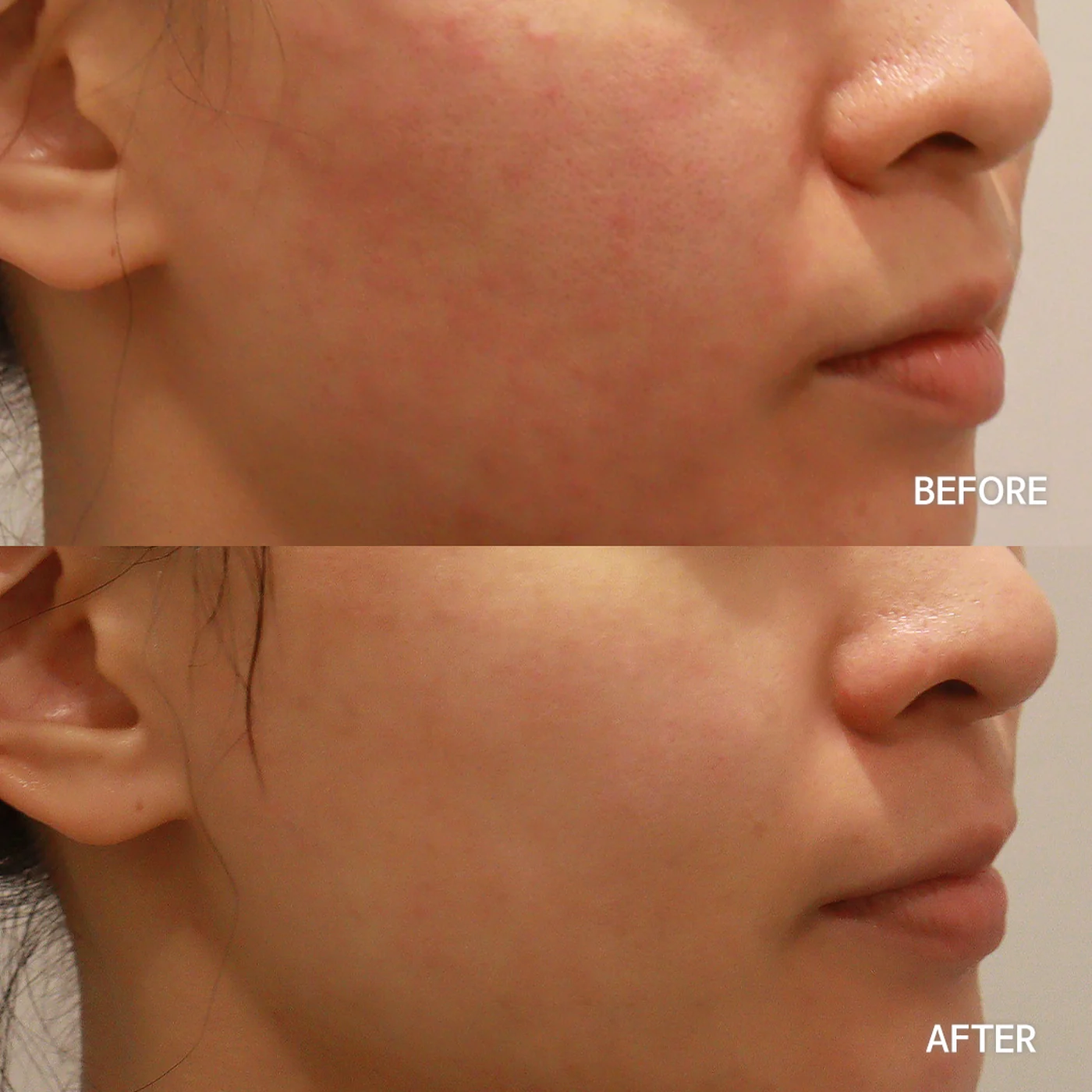
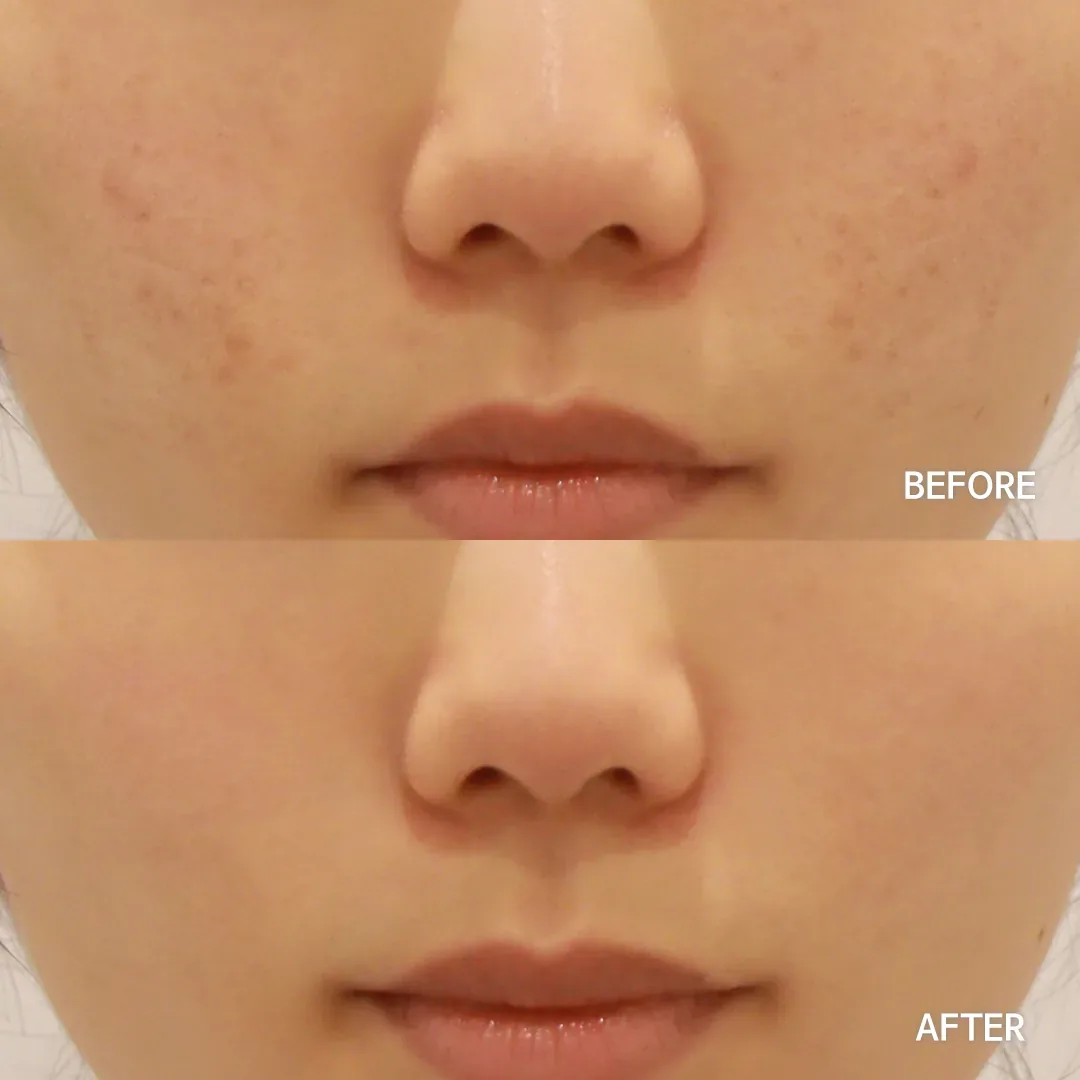
All photos are unretouched cases of the same person under the same conditions, treated at Dear Clinic. Each photo shows only the treatment it is labelled with. Individual results may vary.
PDRN, PDLLA, PLLA, CaHA and hyaluronic acid boosters are all stocked here. Nothing on the shelf needs moving this month, so the row you are prescribed is the row your scan pointed at.
The EVE Muse system captures your face in 3D under five light sources with AI analysis, and the capture is kept on file. Skin quality, lost support and laxity separate on that screen while you watch, and only then is a row on the table circled.
Your directors read the scan, write the volume and hold the syringe. The plan is never handed to a different pair of hands after you have paid.

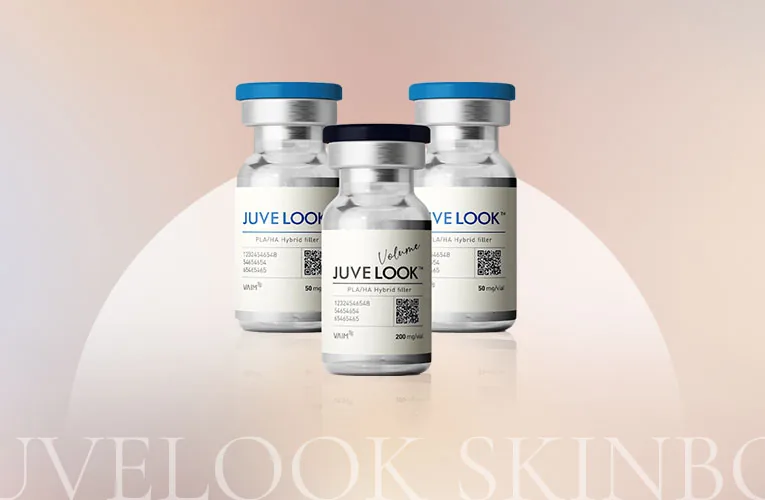
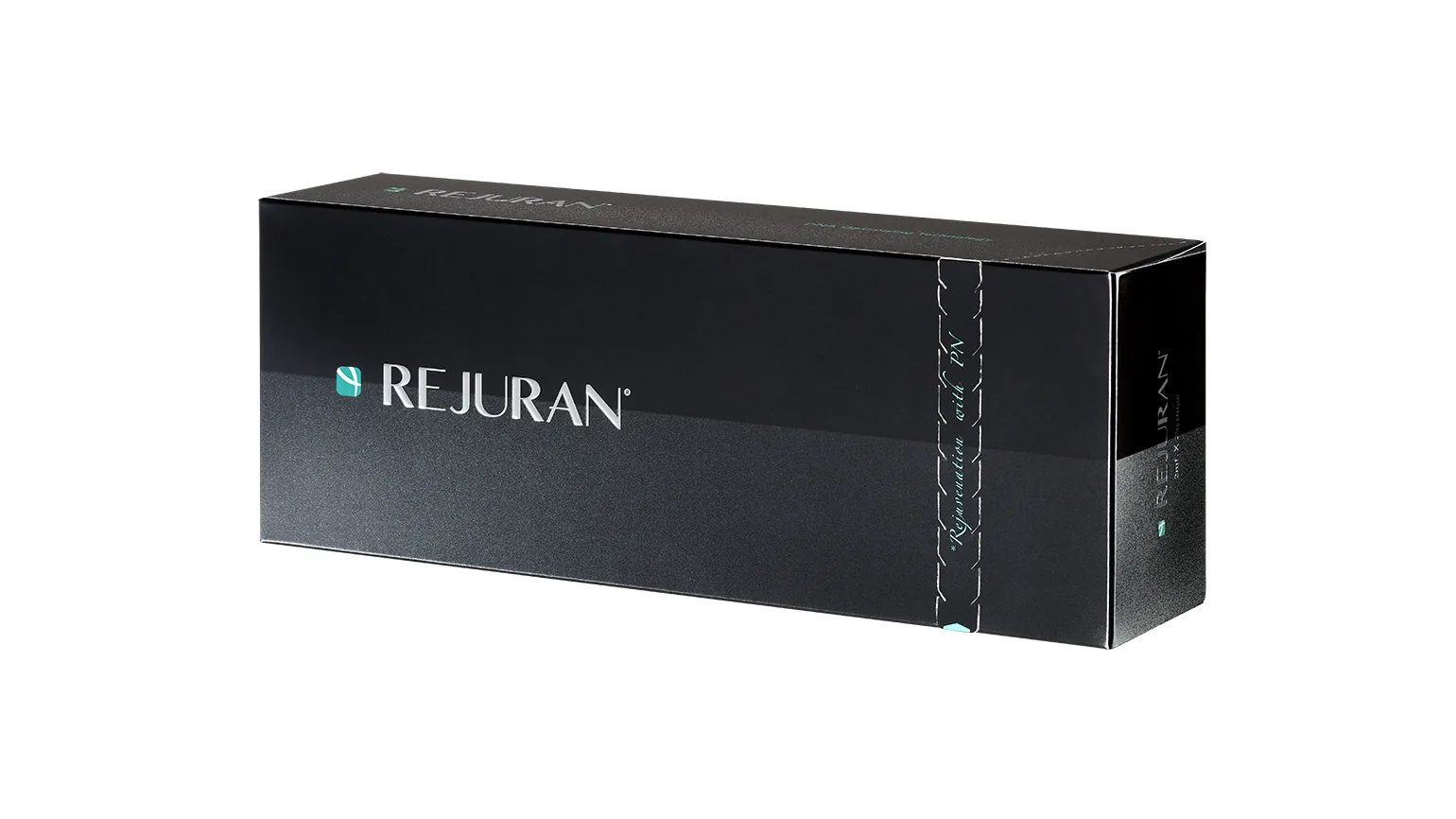
A price row is a starting point. The category page sets the materials side by side and explains which finding each is built for: skin boosters and collagen stimulators at Dear Clinic. The individual pages go deeper into placement and recovery — Rejuran Healer, Juvelook, Sculptra, Radiesse and Skinvive.
For boosters versus gel fillers, see filler versus skin booster. The full clinic tariff sits on the published price list.
Director-performed treatment is a Dear promise — your procedure is planned and performed by the doctors below.





Real verified reviews from our Google Business Profile.
4.9★★★★★ 310 Google ReviewsThe clinic was very professional from start to finish. Doctor Jung was excellent and gentle with the treatment. I felt well looked after and everyone was outstanding. Happy with my service!
I've visited clinic for LDM procedure. I don't speak Korean, so there was an interpreter who assisted me while consulting. The staff was very attentive, they asked me every time before applying products/covering my face during the procedure and it went smoothly. Planning to visit the clini…
All the staff are kind, the doctor is professional. They recommended us the treatment that fit us best and last the longest. A very nice experience overall.
I did a hydrofacial, white/black head removal, and 1 day lasers. Really kind staff and reasonable prices. The only thing I would advise is that your first consultation is with a salesperson and you don’t see the doctor until after you decide what you want and after you pay.
Had a great experience here as a foreigner! The doctors and staff were knowledgeable, friendly, and not pushy. They made recommendations in my consultation and were happy to work within my budget.
Tell us the concern and your dates. The figure comes back in English as soon as possible.
A price list is not evidence, so the papers below are offered for the material and not for the number beside it. They cover polynucleotide and PDRN work, including a comparison of delivery methods for a polynucleotide injectable and a recent overview of the research direction.
Each carries a verifiable DOI from an indexed journal so you can read the primary source instead of a clinic paraphrase. None describes your face or predicts your outcome, and neither does any figure on this page.
References are provided for information — outcomes vary by individual and are assessed at your diagnosis.