

★★★★★
The clinic was very professional from start to finish. Doctor Jung was excellent and gentle with the treatment. I felt well looked after and everyone was outstanding. Happy with my service!
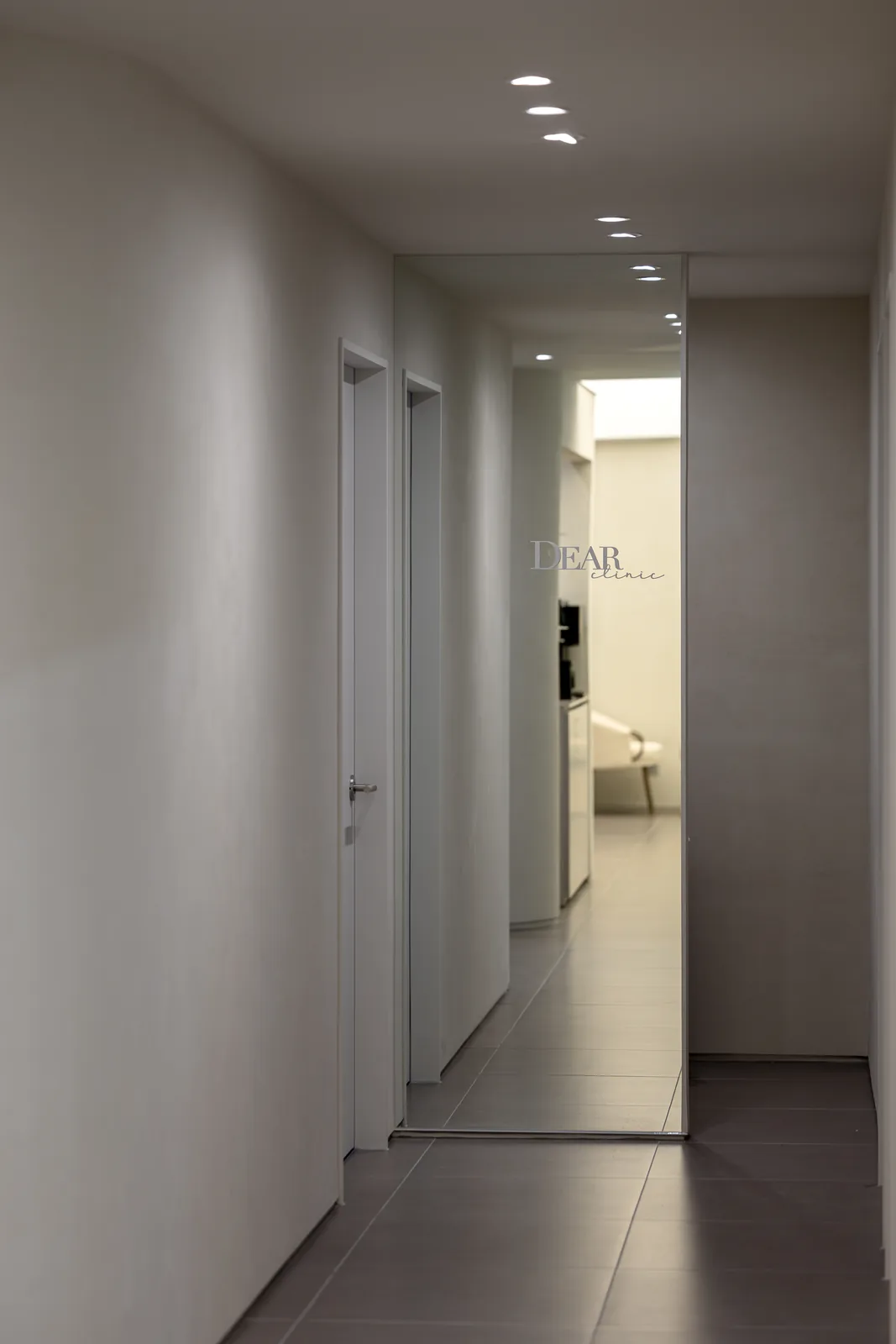
More than one, and Dear Clinic does not print a fixed course. Every zone carries two listed figures instead — one visit, and a block of five — because the number your own hair needs is a reading, taken at diagnosis and revised as the zone answers.
The block of five exists because five is a realistic span over which a zone changes visibly, and because it lets a figure be quoted against something concrete. It is a listed unit of sale. Nothing in it obliges you to a sixth visit, and nothing stops you buying a single pass first and deciding afterwards.
Printing a single number for everybody would be easier to read and less true. A dense underarm on someone with dark, coarse hair behaves nothing like a fine, pale upper lip, and the same person can carry both. What your director can give you at the consultation is an estimate for each zone you have named, with the reasoning attached, and a review point at which that estimate gets corrected.
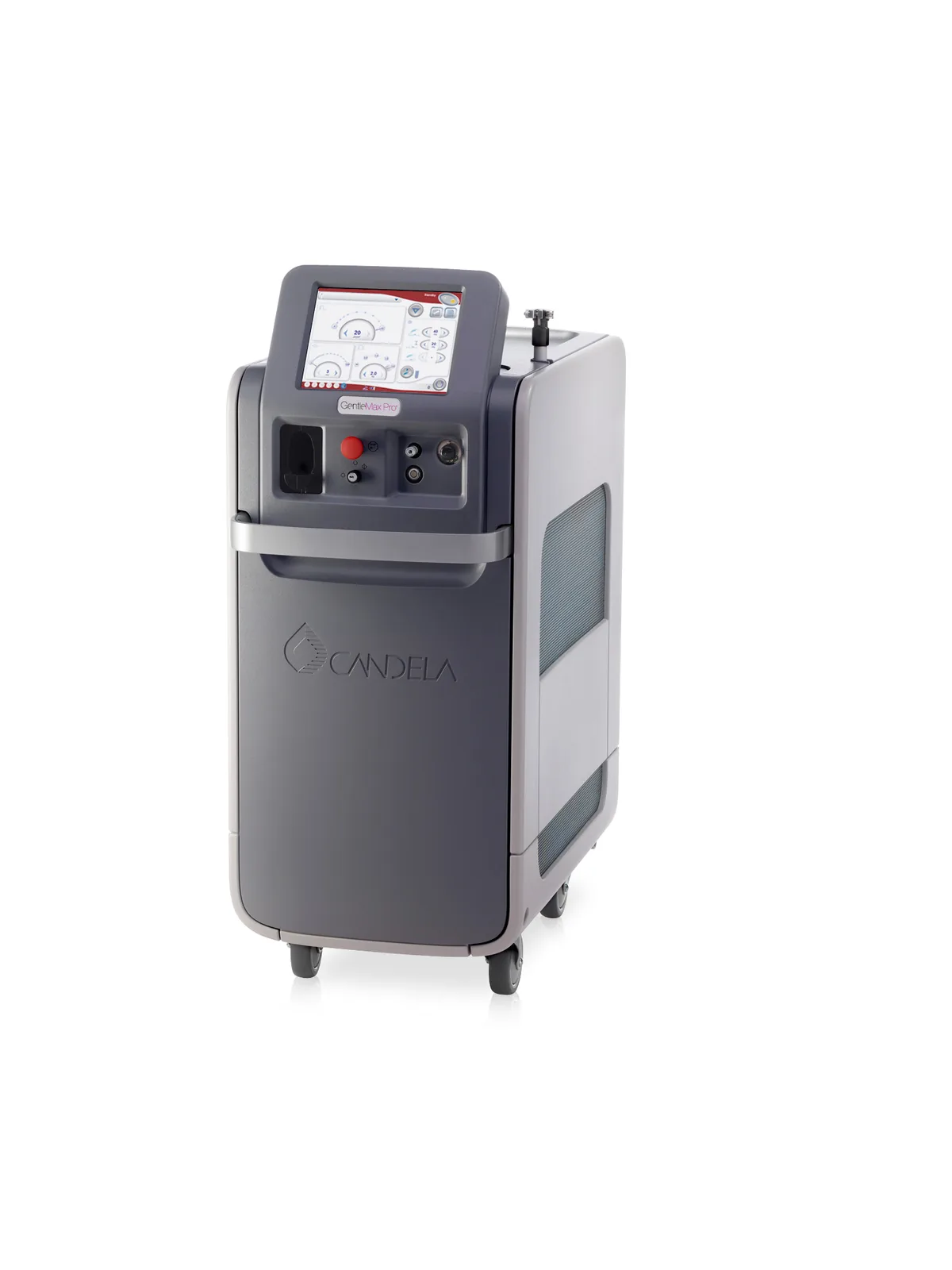
The mechanism, the two wavelengths and the full grid of listed zones are set out on the laser hair removal page; this page answers the counting question specifically. Treatments below the neck that have nothing to do with hair sit under body and wellness.
All four are read before a figure is quoted, and three of them are visible on the scan.
Only follicles in their active growing phase hold enough pigment to take the pulse. The rest are dormant and unreachable at that moment, so they surface later as apparent regrowth. This single fact is the reason a zone cannot be finished in one sitting.
Seventeen zones are listed for women and nineteen for men, and they behave differently. A coarse, dense field shows movement early. A sparse or fine field can take the same number of passes and show far less for them.
The beam is aimed at pigment inside the shaft. Dark, thick hair is the target the platform was built for. White, grey and very pale blond hair gives it almost nothing to absorb, and no amount of repetition converts that into a result.
On a chin, an upper lip or a chest, the follicle population can be re-stimulated while a plan is still running. Those fields are quoted with a review built into them, so a later top-up reads as expected behaviour.
The gap between visits is doing work. Its whole purpose is to let a fresh wave of follicles move into the growing phase, so that the next pass has targets available to it. Booking five appointments inside a fortnight would deliver five passes to roughly the same small population of follicles, and four of them would be spent on skin.
How long that wave takes differs between people, and it differs between two fields on the same body. Your director sets each interval against the zone in front of him and against what the previous pass actually achieved, which is why the dates are agreed one at a time. General calendars circulate online; the one that matters is the one written against your own regrowth.
For anyone flying in, that is the planning constraint worth knowing early. A block of five cannot be compressed into a single stay. Most visiting patients take one or two zones on a first trip, see how those fields answer, and continue on a later visit. Appointments run every day of the year, including the weekend you happen to be here, so fitting the visits themselves is rarely the hard part.
| Listed zone | One visit | Block of five |
|---|---|---|
| Underarm, women | ₩30,000 (≈ $20) | ₩75,000 (≈ $55) |
| Calf with knee, women | ₩140,000 (≈ $100) | ₩350,000 (≈ $250) |
| Underarm, men | ₩50,000 (≈ $35) | ₩125,000 (≈ $90) |
Three lines are shown here because they are the ones people count with: the cheapest way to test a response, a large limb field, and the men’s equivalent of the first. Rates are current for September 2026, charged in KRW with a USD figure printed for orientation only. Every remaining zone on both grids appears on the price list.
Some zones are limited by physics before they are limited by budget. Where the hair is white, grey or very fine and pale, there is little for the beam to absorb, and we do not recommend buying a block against it. Saying that at the consultation is cheaper for you than discovering it at visit four, and the alternative conversation happens in the same room.
Freshly tanned skin is the other common reason a date moves. Pigment sitting at the surface changes the safe setting and raises the odds of a burn, a blister or patchy lightening, so that session is postponed or a test patch is taken first. Broken or infected skin is left alone until it has settled, and tattooed areas are worked around.
Even where every reading is favourable, what the published work supports is long-term reduction: a lasting fall in how much hair grows in a treated field, how thick it is and how visible it looks. Transient redness, small bumps around the follicles and temporary pigment change are the named risks, and response varies between individuals. Tell your director about photosensitising medication, recent isotretinoin or a pregnancy, since any of those can change what is offered on the day.
The cheapest line on the grid is a single underarm visit, and it is a perfectly sensible first purchase.
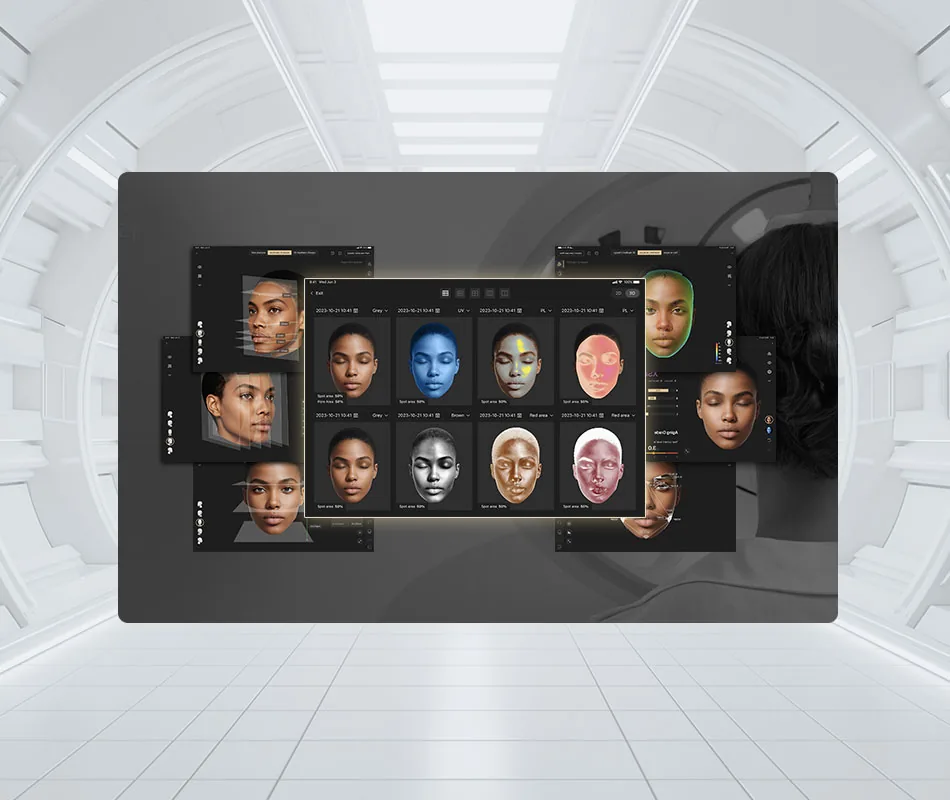
Three-dimensional imaging under five light sources with AI analysis records the skin you arrive with, recent sun included. That reading fixes the wavelength and the starting fluence, and it is also where the estimate of how many passes your zone will need comes from. Nothing is counted before it is taken.
Sessions are director-performed, so the person who set your fluence sees the same field again at the next visit. Regrowth density is compared against what was there before, and the projected count moves up or down on that evidence instead of on the original guess.
Patients who wax once in the middle of a plan usually arrive at the next visit with a field that reads thinner than it is, and the pass that follows does less than it should have. It is the single most common reason a count runs longer than the estimate given at diagnosis.
Director-performed treatment is a Dear promise — your procedure is planned and performed by the doctors below.





Real verified reviews from our Google Business Profile.
4.9★★★★★ 310 Google ReviewsThe clinic was very professional from start to finish. Doctor Jung was excellent and gentle with the treatment. I felt well looked after and everyone was outstanding. Happy with my service!
I've visited clinic for LDM procedure. I don't speak Korean, so there was an interpreter who assisted me while consulting. The staff was very attentive, they asked me every time before applying products/covering my face during the procedure and it went smoothly. Planning to visit the clini…
All the staff are kind, the doctor is professional. They recommended us the treatment that fit us best and last the longest. A very nice experience overall.
I did a hydrofacial, white/black head removal, and 1 day lasers. Really kind staff and reasonable prices. The only thing I would advise is that your first consultation is with a salesperson and you don’t see the doctor until after you decide what you want and after you pay.
Had a great experience here as a foreigner! The doctors and staff were knowledgeable, friendly, and not pushy. They made recommendations in my consultation and were happy to work within my budget.
Your questions, answered in English as soon as possible.
The references below are the controlled work on the two wavelengths used here. They include a randomised comparison against intense pulsed light in dark skin, an intra-individual trial pitting multipass low-fluence alexandrite against high-fluence Nd:YAG in the axilla, a long-pulsed 1064 nm series across all skin types, a safety and efficacy report on a 30 mm spot handpiece, and a systematic review of what long-term reduction means as an endpoint.
Each entry resolves to an indexed journal through its DOI. They describe the mechanism and the endpoint that the wording on this page is limited to; how many passes your own fields need is a reading taken at your diagnosis and revised at each visit.
References are provided for information — outcomes vary by individual and are assessed at your diagnosis.