

★★★★★
The clinic was very professional from start to finish. Doctor Jung was excellent and gentle with the treatment. I felt well looked after and everyone was outstanding. Happy with my service!

Microblading and brow tattoo pigment behaves differently from ink on an arm, and it can darken before it fades. The brow is treated as one region, listed at ₩150,000 per appointment, and approached with a test spot first.
Most people who arrive asking about this are not unhappy with the technique they had; they are unhappy with what four or five years did to it. Warm brown drifting toward grey, a tail that sits higher than the brow now does, a shape that belonged to a different decade. The pigment underneath has been fading unevenly the whole time, and what is left is rarely one single colour.
The route, the healing week and the pacing that apply to ink generally are described on the tattoo removal page, and every energy route on this floor sits on the laser, pigment and acne hub. This page is about what changes when the pigment is on a face, between hairs, above an eye.
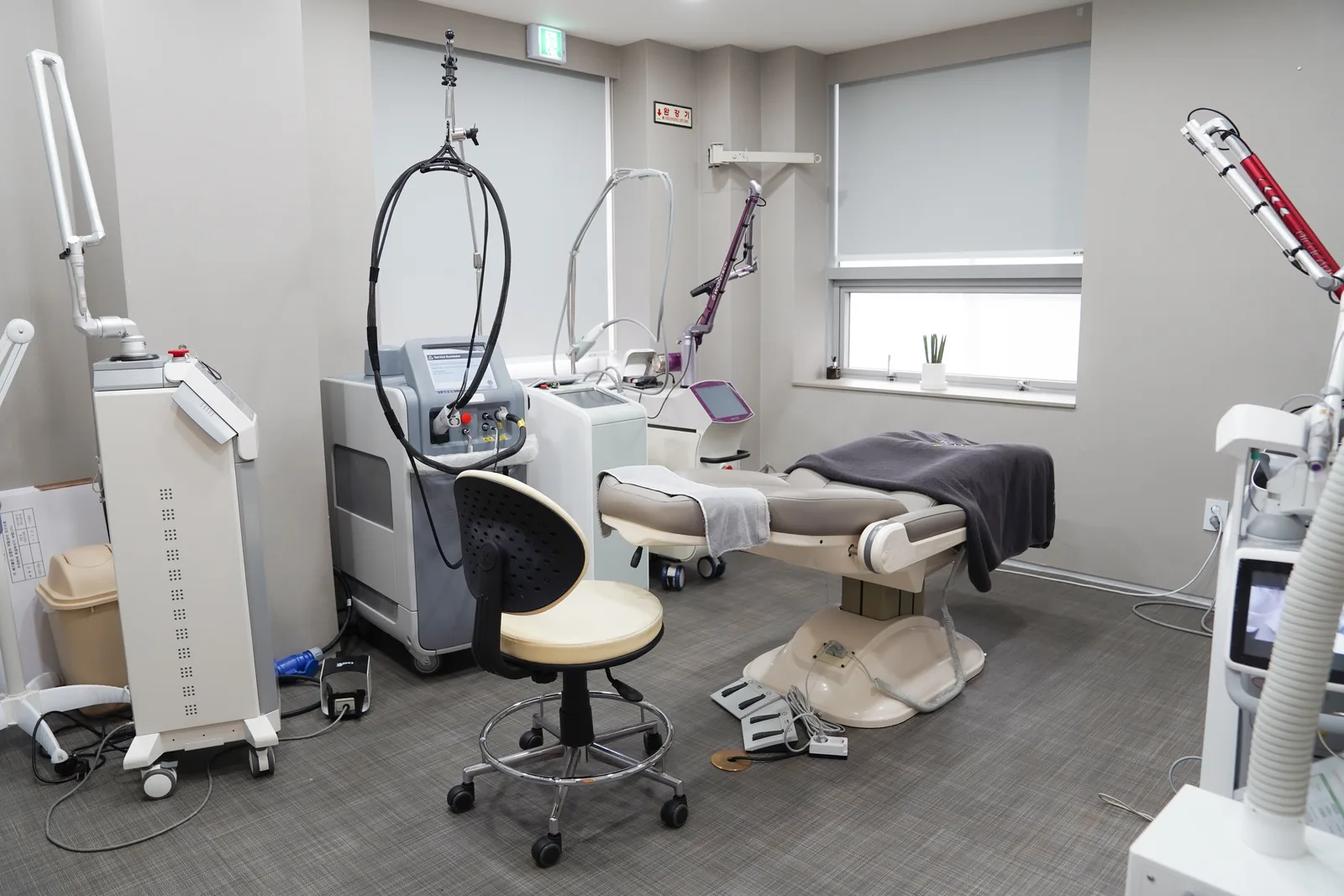
Cosmetic brow and lip pigments commonly contain iron oxides and titanium dioxide, the compounds that give them flesh, rust and taupe tones. They are the reason a brow looks natural on the day it is done, and the reason it responds to laser light on its own terms.
The published reviews of laser tattoo removal describe an immediate darkening of some cosmetic pigment after a pass, understood as a chemical change in those mineral compounds and not as a failure of technique. The brow can look blacker or greyer straight away. Further passes often lighten it again, though no pigment can be promised that outcome.
A brow that has been topped up twice contains more than one product at more than one depth, possibly from more than one studio. Old and new behave differently under the same setting, which is why one half of a brow can move while the other sits still.
None of that makes a brow untreatable. It makes it unpredictable in a specific, documented way, and unpredictable work is handled by starting small and watching. What we cannot do is promise which of your brow's layers will behave and which will surprise us. Individual responses vary, and anyone offering certainty about mineral pigment at a first consultation is describing a treatment that does not exist.
Testing a small area of pigment before committing to the full shape is standard practice in the published approach to cosmetic tattoo, and it exists precisely because of the darkening described above. A discreet area, usually where the brow is thickest and least visible, is treated and then left to declare itself. Whether your own appointment includes one, and where it is placed, is confirmed by your director at the consultation.
What it buys you is information you cannot get any other way. If the spot lightens, the plan proceeds with some confidence. If the spot darkens, you have a small dark patch in a place you can cover with a pencil instead of two black brows you cannot. If nothing at all happens, that is also worth knowing before money changes hands for a course.
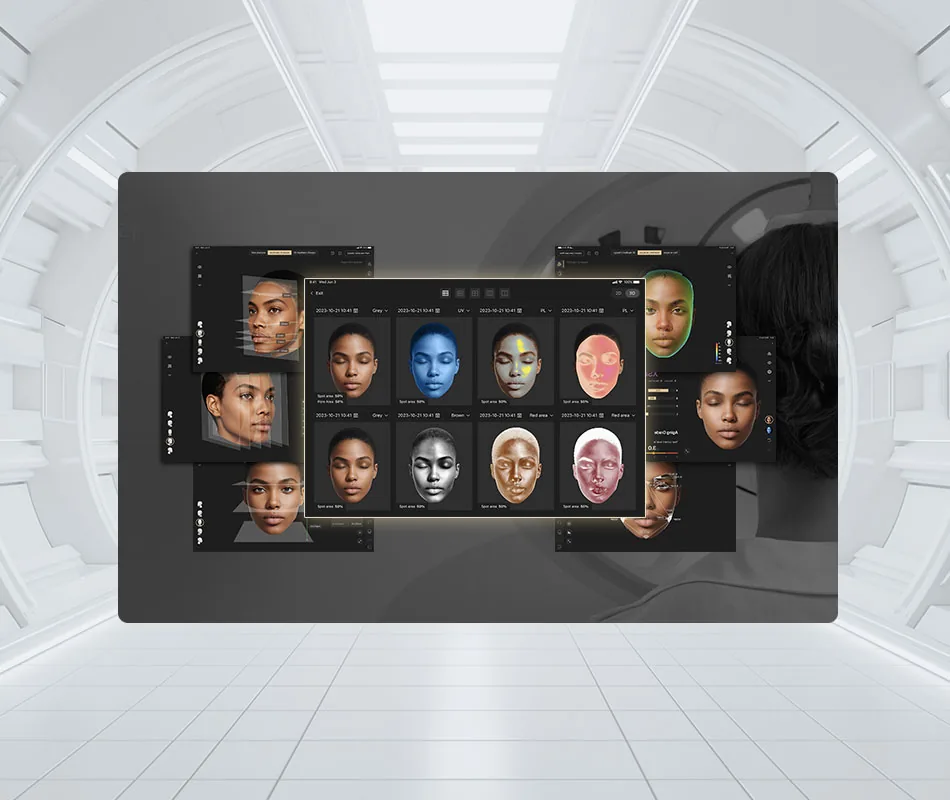
Before the pigment is touched, the EVE Muse 3D scan with its five light sources and AI analysis is used to read the brow area: how deep the colour sits, what the surrounding skin is doing, and whether any of the shadow you are seeing is bruising or vessel rather than pigment. Patients are frequently surprised that part of what they read as a grey brow is not pigment at all.
This is the part that separates a brow from every other piece of pigment on the body. Your own eyebrow hairs sit in the treatment field, and hair contains pigment of its own. Energy aimed at deposited colour can be absorbed by a follicle standing in the way, and the plain position is that brow hair can be affected by laser work in the area.
Three things follow from that. Coverage and pass placement are planned with the existing hair mapped, not treated as scenery. Energy is kept as conservative as the pigment allows, which is one more reason the work is paced instead of pushed. And if preserving density matters more to you than clearing every trace of colour, say so at the consultation, because it changes the target and the plan the director draws.
The other risks of ink work apply here as they do anywhere: a pale or dark patch where the skin was treated, a textural change if healing runs badly, and scarring where a crust is disturbed. On a brow, all three are sitting on the most looked-at third of your face, which is the whole argument for pacing.
Two published lines cover ink work at this clinic, and a brow sits on the first of them.
| Published line | How the unit is defined | What multiplies the total | Listed rate |
|---|---|---|---|
| Eyebrow or eyeliner pigment | One appointment across a cosmetic-tattoo region, counted as a single unit whatever shape it is | The number of appointments the pigment turns out to need | ₩150,000 (≈ $105) |
| Body ink | One appointment across five centimetres of tattoo, counted and added up | The units the piece is counted as, then the appointments | ₩90,000 (≈ $65) |
A brow is never measured with a ruler. Both brows treated at the same appointment, a tail alone, a whole shape with an old outline underneath: the region is the unit, so a complicated brow does not become an arithmetic problem. Rates are published in Korean won and settled in won at the desk, with the dollar figure beside them as an orientation number that moves with the exchange rate, and a foreign passport adds no surcharge. Everything else the clinic publishes is on the full price list, and the arithmetic of a larger piece is worked through on the tattoo removal page.
No number of appointments is printed beside either line, and that is deliberate. Depth, pigment chemistry, how many times the brow was topped up and how your own skin clears broken-down colour all move it, and those are read in the room. Your director gives you a working range at the consultation and revises it as the pigment responds. Each appointment is settled on its own, so nothing has to be paid for in advance of knowing whether it was worth having.
Intervals between ink appointments are counted in weeks, not days, because the body clears broken-down pigment slowly and skin on a face needs the gap more than skin on a shoulder. Compressing that schedule to fit a trip changes the risk profile of the treatment, so we would rather treat once well than three times badly.
Some brows are declined outright, and some are postponed.
A treated brow usually frosts white for a short while, then reddens and swells a little, then forms a fine crust that lifts on its own over the following days. That crust is the dressing your skin made, and picking it off is the single commonest cause of a mark that outlives the pigment.
Keep the area dry and untouched while it settles, avoid swimming pools, saunas and hot steamy training in that window, and shield the brow from sun daily once the surface has closed. Makeup goes back on the brow only when your director says the skin is ready for it, and brow tinting or new pigment work is a separate conversation for a later date. Comfort measures during an appointment, and anything you might apply afterwards, are confirmed with your director at the consultation.
Tell us the same day if pain climbs after the first twenty-four hours, if redness spreads outward with heat or anything discharging, if the crust comes away early, or if the colour moves in a direction nobody predicted. Reception answers 365 days a year, holidays included, so a brow that worries you on a Sunday does not have to wait until Monday.
Some of what people read as grey above the eye is vascular shadow or texture, and both have their own routes on this floor. Because vascular light, needle radiofrequency and per-lesion work all run here, a brow that does not need ink work does not get ink work simply because that was the appointment booked.
3D imaging with five light sources and AI analysis separates deposited colour from redness and surface change at the brow.
Brow appointments are director-performed. The person who watched the test spot behave is the person choosing the next setting, and the person who calls a halt when the pigment has stopped moving.
Results vary by individual, by pigment and by how many times the brow was worked on.
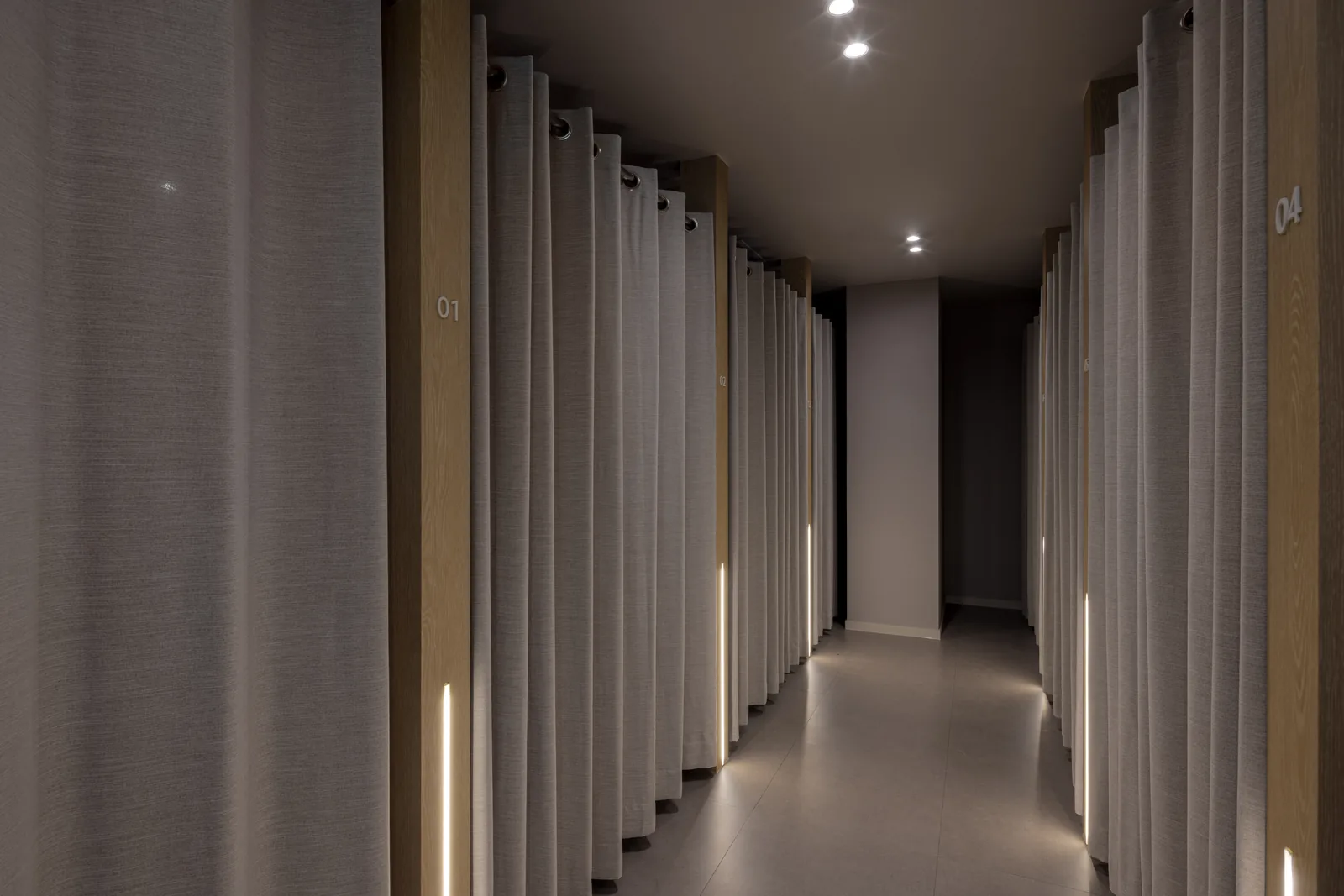
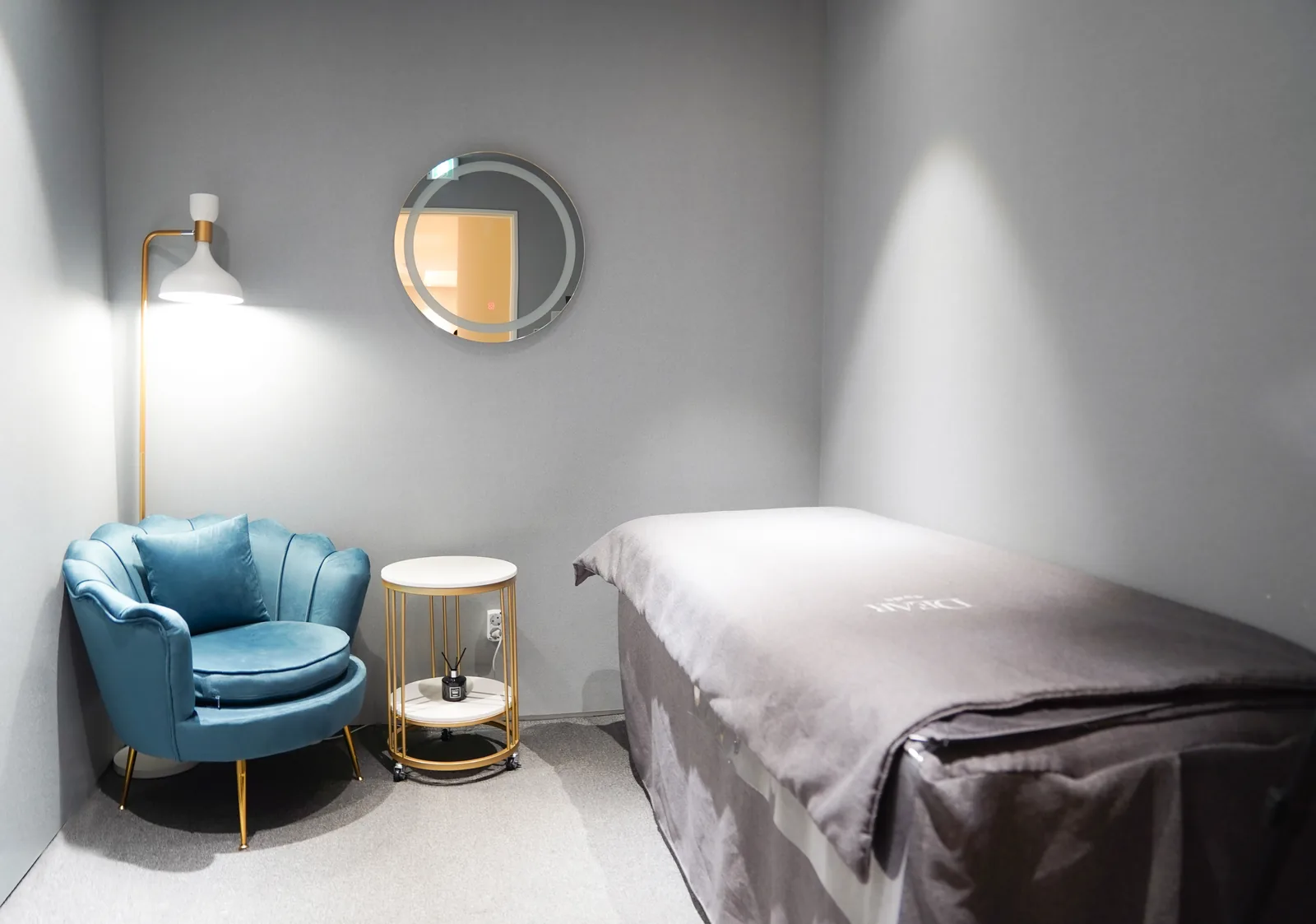
Director-performed treatment is a Dear promise — your procedure is planned and performed by the doctors below.





Real verified reviews from our Google Business Profile.
4.9★★★★★ 310 Google ReviewsThe clinic was very professional from start to finish. Doctor Jung was excellent and gentle with the treatment. I felt well looked after and everyone was outstanding. Happy with my service!
I've visited clinic for LDM procedure. I don't speak Korean, so there was an interpreter who assisted me while consulting. The staff was very attentive, they asked me every time before applying products/covering my face during the procedure and it went smoothly. Planning to visit the clini…
All the staff are kind, the doctor is professional. They recommended us the treatment that fit us best and last the longest. A very nice experience overall.
I did a hydrofacial, white/black head removal, and 1 day lasers. Really kind staff and reasonable prices. The only thing I would advise is that your first consultation is with a salesperson and you don’t see the doctor until after you decide what you want and after you pay.
Had a great experience here as a foreigner! The doctors and staff were knowledgeable, friendly, and not pushy. They made recommendations in my consultation and were happy to work within my budget.
Daylight photographs, the year it was done and the number of top-ups; we reply in English as soon as possible.
Four references sit behind this page. Two are broad accounts of laser tattoo removal, covering pigment chemistry, the darkening reaction seen with some cosmetic pigments and the practical approach that follows from it. One is a retrospective clinical evaluation of safety and efficacy against a published grading scale. One reports outcomes with a picosecond platform, and is listed as literature, with no claim about any device at this clinic.
They are offered for information. None of them describes your brow, and none replaces the reading and the test area done in the room.