

★★★★★
The clinic was very professional from start to finish. Doctor Jung was excellent and gentle with the treatment. I felt well looked after and everyone was outstanding. Happy with my service!
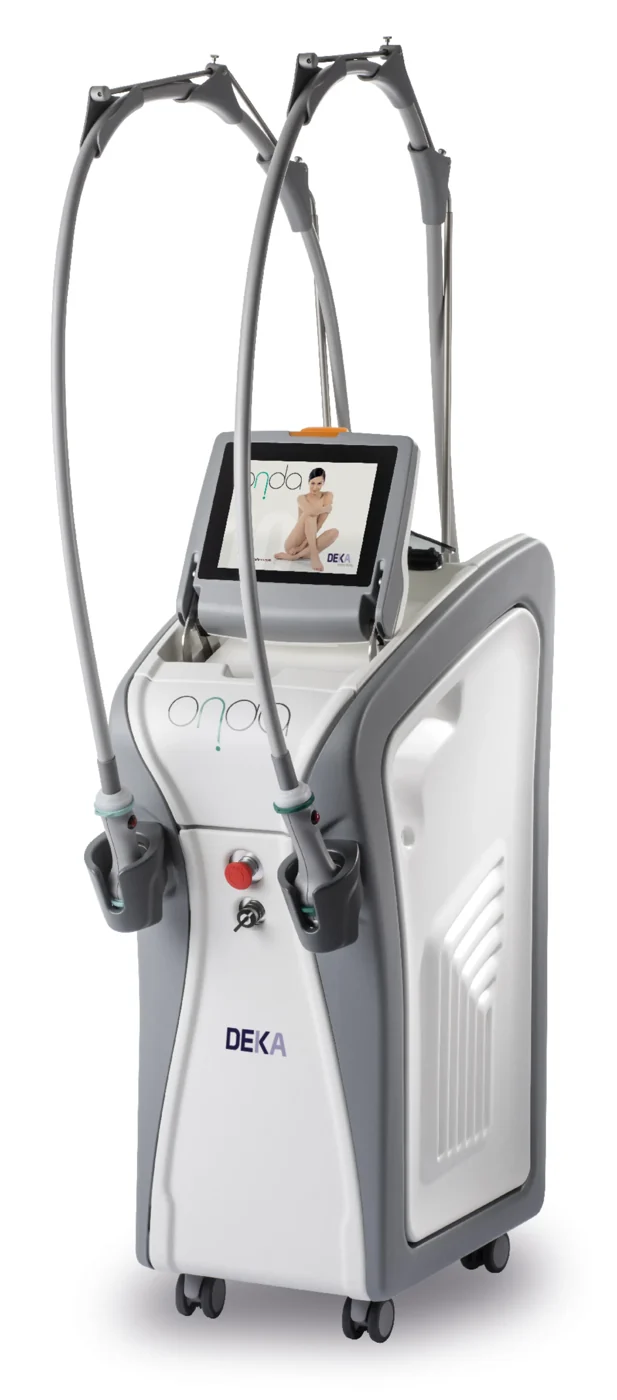
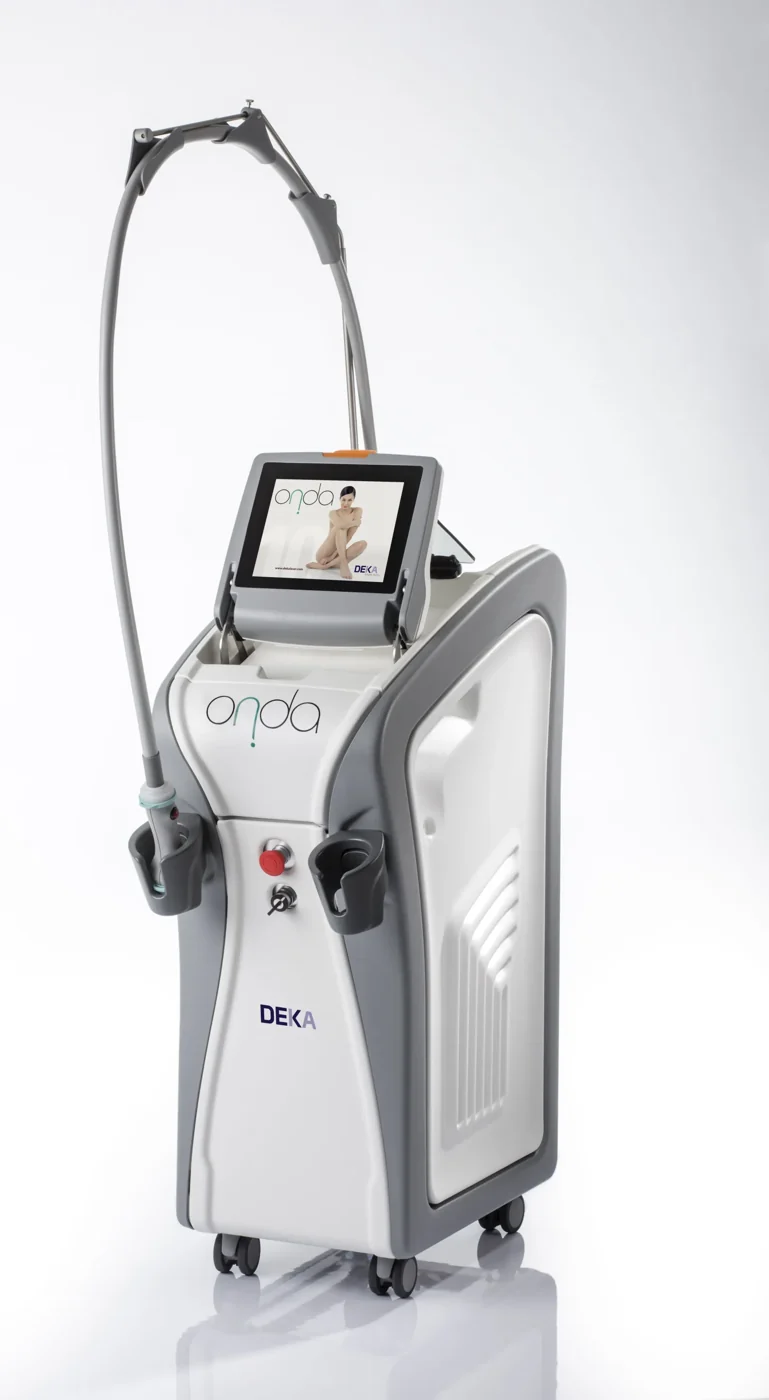
Two audited Onda cases are published below, with what each one does and does not establish. The rest of the page is the standard any Onda pair has to meet before it is worth looking at.
The reason is the mechanism. Coolwaves™ at 2.45 GHz deposit heat into water-rich and fat-rich tissue, and the tissue answers over weeks. So the interval between frames is not a caption detail here; it is the variable that decides whether the second frame is showing change or showing swelling.
Weight is the second variable, and it is the one most often left out. Onda work is localised, while the body it sits on is not. A few kilograms gained or lost between two frames will move a jawline or a flank more visibly than any energy device, which is why a pair without a weight note has quietly left its biggest confounder outside the frame.
The treatments themselves are documented on the Onda lifting page and the Onda body contouring page, and the platform sits in context on the lifting and tightening hub.

Unretouched cases treated at Dear Clinic, shown with consent. Individual results vary.
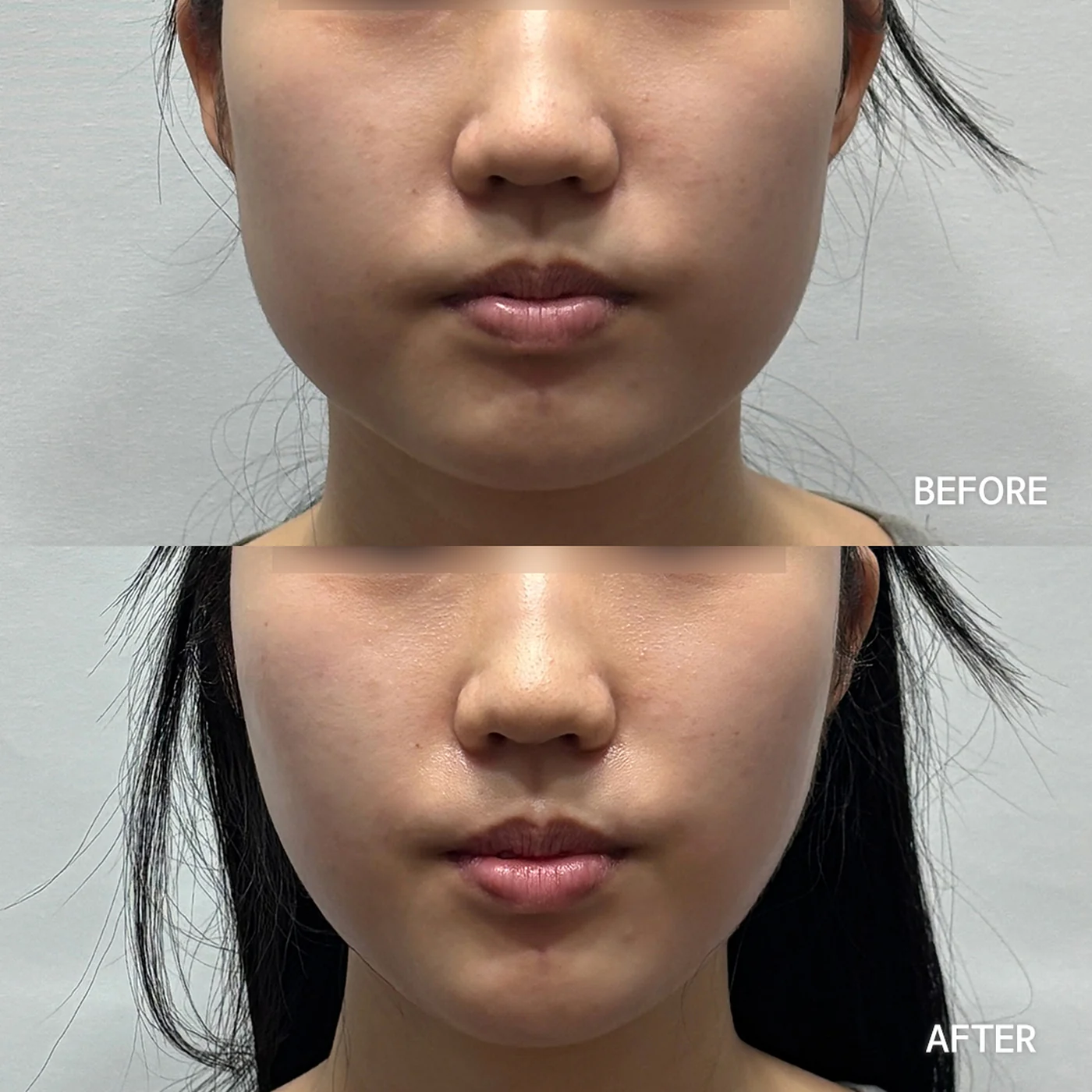
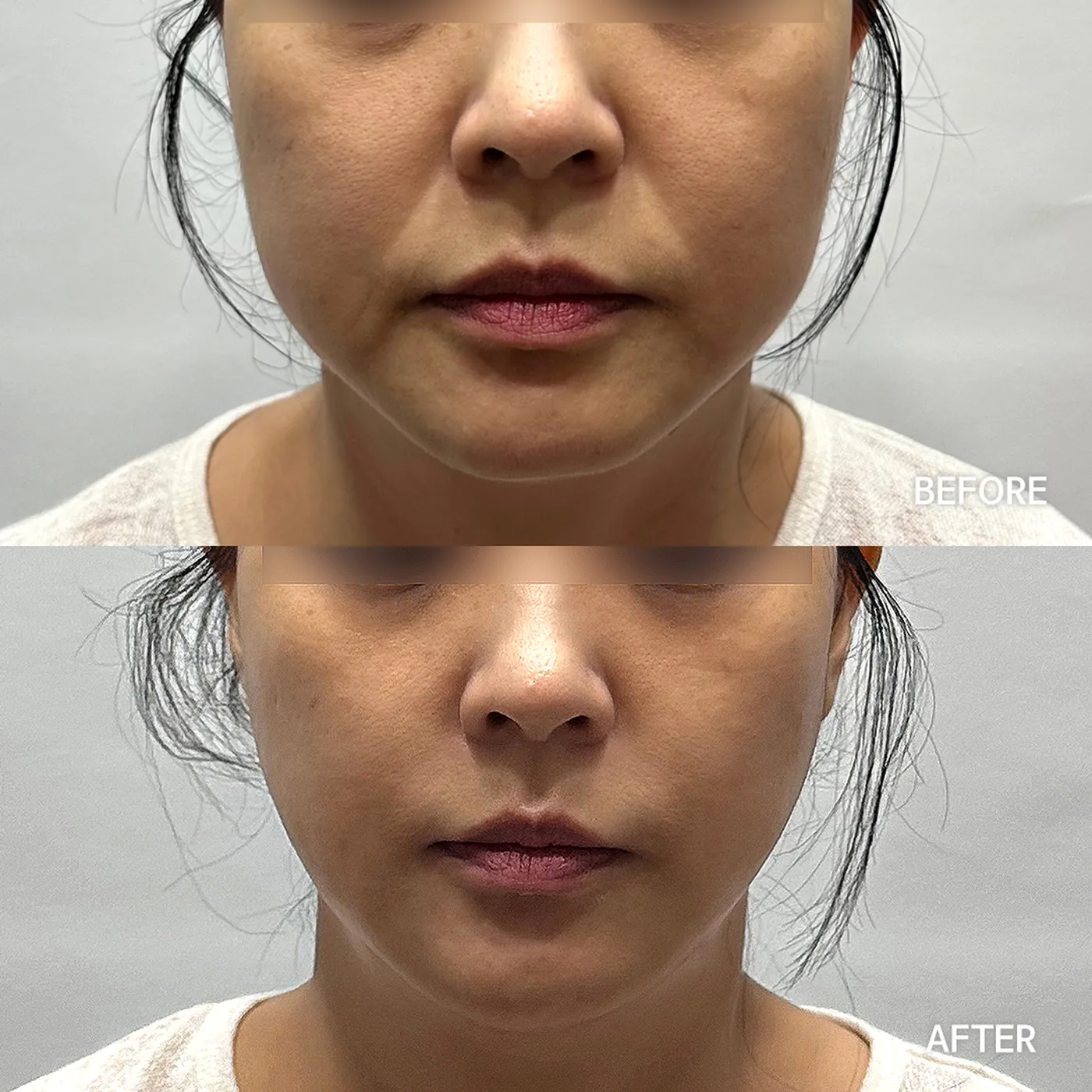
All photos are unretouched before/after cases of the same person under the same conditions, treated at Dear Clinic and shown with consent. Individual results may vary; no specific outcome is implied or promised.
Both pairs above are facial Onda cases, and the caption says so on purpose. The audited archive holds no body Onda pair that clears the same consent and captioning standard, so none is shown, and a jawline photograph placed under a body heading would be a false label on a real case. If body work is what brought you here, the honest position is that your own baseline is what you will be comparing against.
Four windows after a Coolwaves™ session. Each answers a different question, and a frame shot in the wrong one answers none.
Warmth and a pink flush over the treated ground, sometimes a firm or tender feel. None of that is an outcome; it is tissue answering heat, and a photograph taken now records the answer instead of the change.
The zone can still feel firm and read slightly fuller than it did. People often photograph here because they are impatient, and the frame they get is unusable for comparison.
Firming from this kind of heating builds gradually. The indexed microwave studies listed at the foot of this page assess their participants across months of follow-up, one of them as far out as nine months, and that is the window a comparison belongs in.
How long any effect holds varies with skin, age and weight, and no interval is promised in advance. Whether a further kilojoule unit is worth buying is decided at review with the earlier frame in view.
Individual results may vary, and the windows above describe a pattern, and your tissue has agreed to no schedule. If a pair you are reading carries no interval at all — no week count, no month count — then the one variable that decides its meaning has been left out of it.
Onda is asked to change a contour, and a contour is the easiest thing in photography to move without treating anything. Drop a chin five degrees and a jaw outline sharpens. Stand on one hip instead of two feet and a waist narrows. Every one of those is free, immediate and worthless.
Camera discipline is the mechanical half. The other half is what the caption admits. Because this platform is sold by delivered energy, the disclosure list is short and specific: the kilojoules delivered, the number of sessions behind the second frame, the interval since the last one, and the zone that was treated. A pair that shows a result from an unstated number of units is not describing a treatment anybody can ask for.
Then the confounders. Weight change between frames belongs in the caption, and so does anything else done to the same area in the meantime — a course of injectables, a different energy platform, a filler session. Consent belongs there too, which is why the archive any clinic can publish is always smaller than the archive it holds.
Risks belong in the same frame as results, and leaving them out edits the picture before you ever see it. Heat-based contouring brings warmth and redness on the day and several days of firmness or tenderness; less commonly a tender nodule, a patch of bruising, or a small burn where heat concentrated in one spot.
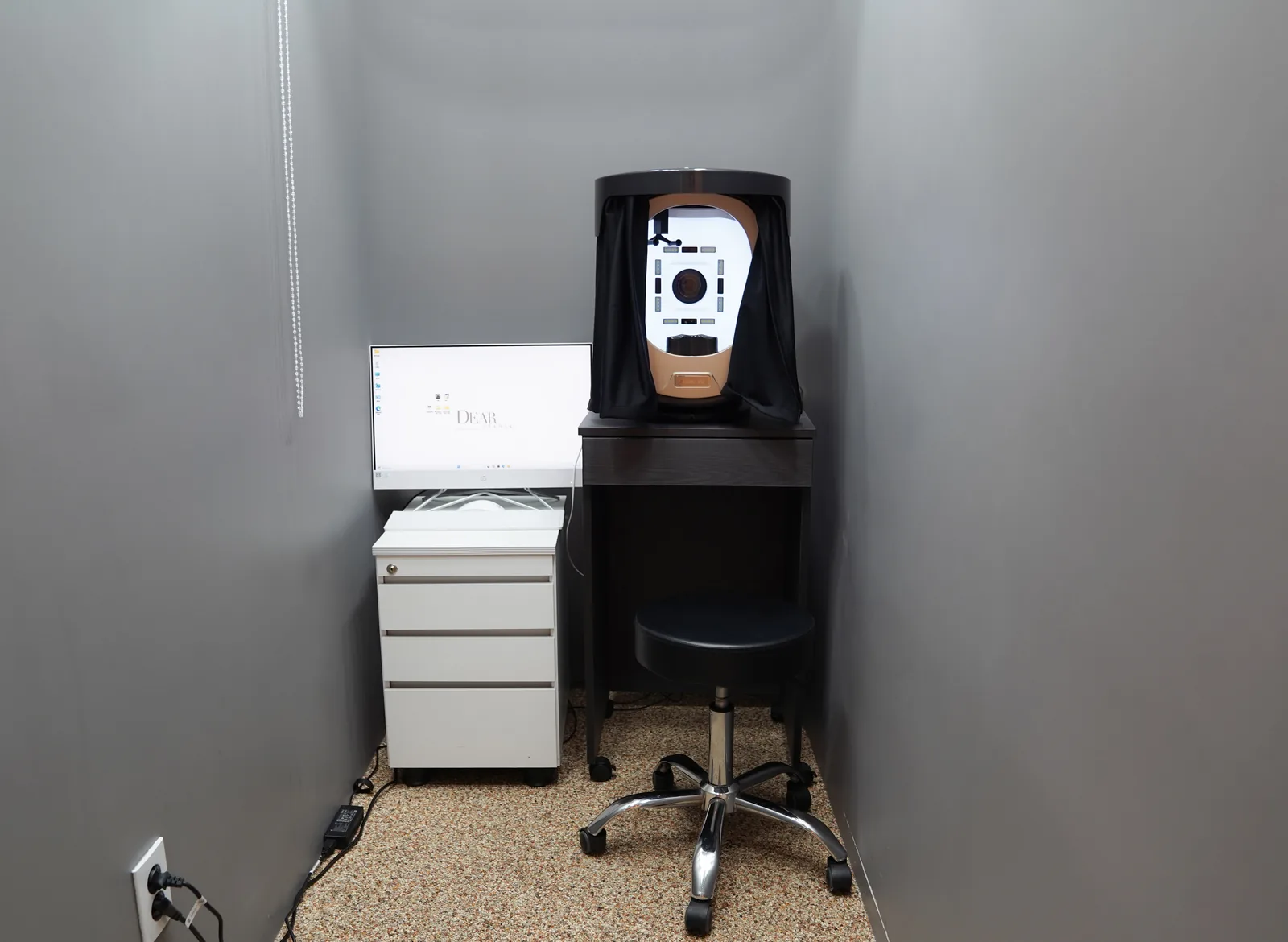
EVE Muse 3D imaging with five-light-source AI analysis is taken before the energy plan is written, at a fixed distance under fixed light. It is that capture, alongside the hands-on reading of the zone, that your director compares the follow-up against. Memory of how a jawline looked in March is not evidence.
Where the reading finds thin tissue with nothing for microwaves to couple into, we do not recommend Onda, and a Thermage FLX or Density plan is quoted instead. Matching the platform to the layer is what makes any later photograph worth the trouble of taking.
Onda sessions here are director-performed, and so is the review. The person who chose where the applicator dwelled is the person who has to account for what the second frame shows.
| Unit behind the frame | What it delivered | Rate |
|---|---|---|
| Facial Onda · 60 kJ | One facial energy unit, apportioned across the zones on the plan | ₩500,000 (≈ $355) |
| Body Onda · 80 kJ | One body energy unit through the body handpiece, across an agreed zone | ₩650,000 (≈ $465) |
| Baseline and review | EVE Muse capture, hands-on reading, and the follow-up comparison | confirmed at consultation |
Rates as published in September 2026, quoted identically whichever passport sits on the file. Every published figure in the clinic is on the full price list.
Dear Clinic publishes no centimetre and no kilogram figure for Onda, and where someone arrives asking for the result in a photograph they were shown, the assessment starts by reading their own tissue instead. Where that reading finds a lean zone with nothing for microwaves to couple into, we do not recommend a course of units, and where the volume in the zone is large a referral is the more useful outcome. Risks are stated before any session: warmth and redness on the day, days of firmness or tenderness, and, less commonly, a tender nodule, bruising, or a small burn.
Outcomes vary by individual and are assessed at your diagnosis.
Most comparisons are ruined at home, by people acting in good faith with a phone.
Director-performed treatment is a Dear promise — your procedure is planned and performed by the doctors below.





Real verified reviews from our Google Business Profile.
4.9★★★★★ 310 Google ReviewsThe clinic was very professional from start to finish. Doctor Jung was excellent and gentle with the treatment. I felt well looked after and everyone was outstanding. Happy with my service!
I've visited clinic for LDM procedure. I don't speak Korean, so there was an interpreter who assisted me while consulting. The staff was very attentive, they asked me every time before applying products/covering my face during the procedure and it went smoothly. Planning to visit the clini…
All the staff are kind, the doctor is professional. They recommended us the treatment that fit us best and last the longest. A very nice experience overall.
I did a hydrofacial, white/black head removal, and 1 day lasers. Really kind staff and reasonable prices. The only thing I would advise is that your first consultation is with a salesperson and you don’t see the doctor until after you decide what you want and after you pay.
Had a great experience here as a foreigner! The doctors and staff were knowledgeable, friendly, and not pushy. They made recommendations in my consultation and were happy to work within my budget.
Tell us the zone and what changed about it. Answered in English as soon as possible.
Follow-up length is the reason these three papers are cited on a page about photographs. Each assesses microwave body technology over a defined window, and one of them states a nine-month follow-up in its own title.
Every entry resolves to a DOI and is listed as literature about the technology. No outcome figure from them is reproduced here, because reported results vary widely between the individuals studied.
References are provided for information — outcomes vary by individual and are assessed at your diagnosis.